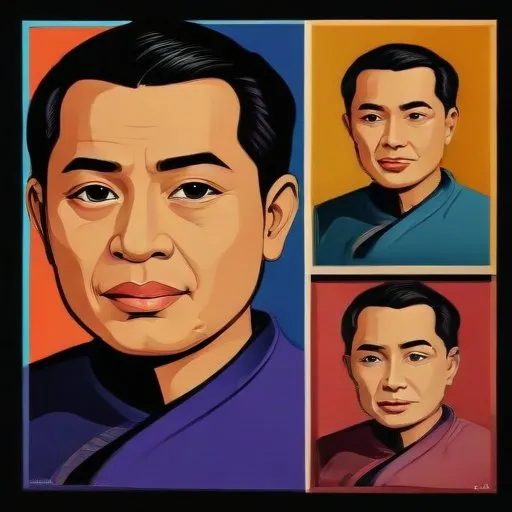
Damrong Rajanubhab: The Visionary Behind Modern Thailand's Educational System and Provincial Administration
A Pioneer in Education and Governance
Damrong Rajanubhab, also known as Prince Tisavarakumarn, is renowned for founding the modern Thai educational system and provincial administration. Born on June 21, 1862, this visionary leader left an indelible mark on Thailand's development, modernizing the country's education and governance structures.
Rise to Prominence
As the son of King Mongkut and Consort Chum, Damrong received private tutoring in Thai and Pali before attending the Royal School, where he learned English. At the age of 14, he enrolled in a special palace school created by his half-brother, King Chulalongkorn. This early exposure to education laid the foundation for his future accomplishments.
Early Career and Administrative Reforms
Damrong's administrative career began at the tender age of 18, when he became the commander of the Royal Guards Regiment. He later worked on establishing army schools and modernizing the army. In 1887, he was appointed grand officer to the army commander-in-chief and, subsequently, Minister of Education in the provisional cabinet. This marked the beginning of his remarkable journey in shaping Thailand's education and governance landscape.
Overhauling Provincial Administration
During his tenure as the Minister of the North (later renamed Ministry of the Interior), Damrong implemented significant reforms in provincial administration. He merged minor provinces into larger ones, reduced the autonomy of provincial governors, and introduced a salaried and appointed system for their posts. This radical transformation paved the way for a more efficient and centralized administration.
Legacy and Impact
Damrong's far-reaching reforms and contributions have left a lasting impact on modern Thailand. His initiatives in education and governance have shaped the country's development, laying the groundwork for future progress. Today, he is remembered as one of the most influential Thai intellectuals of his time, a testament to his dedication and vision.
Personal Milestones and Key Life Events
- June 21, 1862: Born as Phra Ong Chao Tisavarakumarn, son of King Mongkut and Consort Chum
- 1880: Became commander of the Royal Guards Regiment at age 18
- 1887: Appointed grand officer to the army commander-in-chief and Minister of Education
- 1892: Led the Ministry of the North (later Ministry of the Interior) and initiated administrative reforms
- December 1, 1943: Passed away, leaving behind a legacy of modernization and progress
Inspirational Quotes and Memorable Sayings
Damrong's dedication to education and governance is reflected in his words:
"The education of the people is the most important task of the government."
This quote encapsulates his commitment to empowering the Thai people through education and responsible governance.
FAQ
What were Damrong Rajanubhabs contributions to Thai history?
Damrong Rajanubhab was a Thai historian and author who made significant contributions to the field of Thai history, particularly in the areas of historiography and historical preservation.
What was Damrong Rajanubhabs most notable work?
Damrong Rajanubhabs most notable work is his comprehensive history of Thailand, which is still considered a seminal work in the field today.
Did Damrong Rajanubhab have any other notable achievements?
Yes, Damrong Rajanubhab was also a prominent educator and served as the Director-General of the National Library of Thailand.
What is Damrong Rajanubhabs legacy in the field of Thai history?
Damrong Rajanubhabs legacy in the field of Thai history is that of a pioneering historian who helped to establish the field of Thai historiography and preserve Thailands rich cultural heritage.
What impact did Damrong Rajanubhabs work have on Thai society?
Damrong Rajanubhabs work had a significant impact on Thai society, particularly in terms of promoting a sense of national identity and pride in Thailands rich cultural heritage.