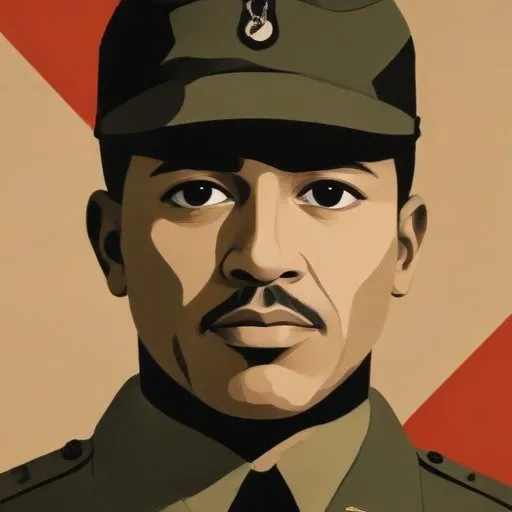
Daniel Akaka: A Legacy of Service and Dedication
Daniel Akaka was a American educator and politician who served as a United States Senator from Hawaii for over two decades, making him the first U.S. Senator of Native Hawaiian ancestry. He was a champion of education, healthcare, and social justice, leaving an indelible mark on the state of Hawaii and the nation as a whole.
A Life of Service
Born on September 11, 1924, in Honolulu, Hawaii, Akaka's life was marked by a strong sense of duty and service. During World War II, he served in the U.S. Army Corps of Engineers, where he was stationed on Saipan and Tinian. After the war, he worked as a welder, mechanic, and even a first mate on a schooner.
From Educator to Politician
Akaka's passion for education led him to pursue a career in teaching. He earned his bachelor's and master's degrees from the University of Hawaii and went on to become a high school teacher and eventually a principal. His dedication to education didn't go unnoticed, and he was soon recruited by the Department of Education as a chief program planner.
Rise to Prominence
In 1976, Akaka was elected to the United States House of Representatives, where he served for 13 years. In 1990, he was appointed to the U.S. Senate to succeed the late Spark Matsunaga and went on to win the special election to complete Matsunaga's term. Akaka would go on to be reelected to three full terms, becoming a respected voice in the Senate.
Legislative Accomplishments
During his time in the Senate, Akaka championed several key pieces of legislation, including the Native Hawaiian Recognition Act, which recognized the Native Hawaiian people as an indigenous people. He also worked tirelessly to improve healthcare services for native Hawaiians and to promote education and job training programs.
Awards and Honors
Akaka's dedication to public service was recognized with numerous awards and honors, including the Order of the Rising Sun, one of Japan's highest honors. He was also awarded the
Theodore Roosevelt Award, the highest civilian honor given by the National Guard.
Personal Life
Akaka was married to Mary Mildred "Millie" Chong for over 60 years, until his passing in 2018. He was a devoted husband, father, and grandfather, and his family was always his top priority.
Legacy
Daniel Akaka's legacy is one of service, dedication, and compassion. He will be remembered as a champion of education, healthcare, and social justice, and his contributions to the state of Hawaii and the nation will be felt for generations to come.
- First U.S. Senator of Native Hawaiian ancestry
- Served in the U.S. Senate for over 22 years
- Championed the Native Hawaiian Recognition Act
- Awarded the Order of the Rising Sun and the Theodore Roosevelt Award
- Devoted husband, father, and grandfather
FAQ
What were Daniel Akakas achievements as a scientist?
Daniel Akaka was a decorated scientist who made significant contributions to the fields of engineering and chemistry. He worked as a researcher and engineer at the US Army Corps of Engineers and later became the chief of the Armys Chemical Corps Research and Development Command.
What were Daniel Akakas accomplishments as a politician?
Daniel Akaka was a distinguished politician who served as a US Senator from Hawaii from 1990 to 2013. He was a champion of Native Hawaiian rights and worked tirelessly to promote education, healthcare, and economic development in his home state.
Did Daniel Akaka serve in the military?
Yes, Daniel Akaka served in the US Army during World War II and the Korean War. He was awarded the Bronze Star Medal for his service and later became a strong advocate for veterans rights.
What awards did Daniel Akaka receive for his service?
Daniel Akaka received numerous awards for his service, including the Bronze Star Medal, the Army Commendation Medal, and the Legion of Merit. He was also awarded the Congressional Gold Medal for his service as a Tuskegee Airman.
What was Daniel Akakas legacy in education?
Daniel Akaka was a strong advocate for education and worked to improve access to education for Native Hawaiian students. He introduced legislation to establish the Native Hawaiian Education Council and advocated for increased funding for education programs in Hawaii.