


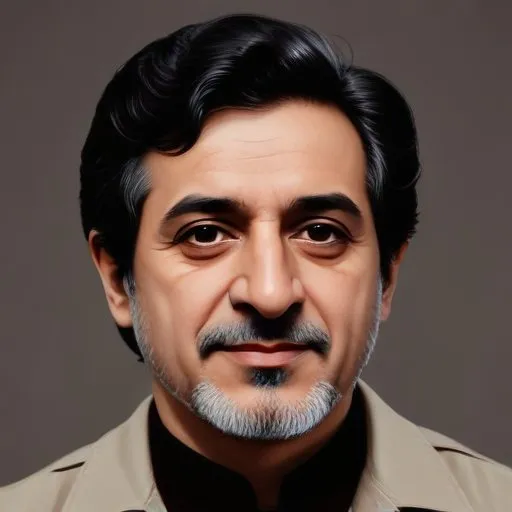
A pioneer of Iranian New Wave cinema, known for thought-provoking films that explore social and cultural issues in Iran.
Dariush Mehrjui, a renowned Iranian filmmaker, is credited with pioneering the Iranian New Wave movement of the 1970s, which revolutionized the country's cinematic landscape. His thought-provoking films, often adapted from literary masterpieces, have captivated audiences worldwide, earning him a revered position in the world of cinema.
Born on December 8, 1939, in Tehran, Iran, Mehrjui grew up in a middle-class family with a passion for art and music. He was fascinated by cinema from an early age, often watching American films with explanatory title cards. This sparked his interest in learning English, which later became essential in his filmmaking career.
Mehrjui's fascination with Vittorio De Sica's "Bicycle Thieves" (1948) at the age of 12 marked the beginning of his cinematic journey. He even built a 35 mm projector and started screening films for his neighborhood friends, laying the foundation for his future endeavors.
In 1959, Mehrjui moved to the United States to study at the University of California, Los Angeles (UCLA), where he earned a degree in cinema. One of his influential teachers was the legendary French director Jean Renoir, who taught him the art of working with actors. However, Mehrjui was disillusioned with the film program's emphasis on technical aspects and the quality of his instructors.
Mehrjui's groundbreaking film "The Cow" (1969) is widely regarded as the first film of the Iranian New Wave movement, which also included directors Masoud Kimiai and Nasser Taqvai. This movement marked a significant shift in Iranian cinema, focusing on more realistic, socially conscious storytelling.
Some of Mehrjui's notable works include "The Lodgers" (1987), "Sara" (1992), and "The Pear Tree" (1998), all of which have been inspired by literature and adapted from Iranian and foreign novels and plays. These films have garnered critical acclaim and have been showcased in prestigious international film festivals.
Mehrjui's contributions to Iranian cinema have been recognized with numerous awards and honors. He was a member of the Iranian Academy of the Arts and has received several awards from the Fajr Film Festival, Iran's most prestigious film festival.
Dariush Mehrjui's legacy extends beyond his films. He has inspired a generation of Iranian filmmakers, paving the way for the country's cinematic renaissance. His influence on modern Iranian society is palpable, with his films often sparking debates and discussions on social and cultural issues.
Tragically, Mehrjui's life was cut short when he and his wife, Vahideh Mohammadifar, were found stabbed to death in their home in Karaj, near Tehran, on October 14, 2023.
Despite his untimely passing, Dariush Mehrjui's cinematic legacy will continue to inspire and influence generations to come, cementing his place as one of the most important figures in Iranian cinema.
69 Years Old
Acclaimed filmmaker known for thought-provoking, visually stunning movies that explore social and political issues in Iran, often blending reality and fiction.
86 Years Old
Acclaimed filmmaker behind poetic, introspective, and visually stunning movies that explore human relationships, identity, and social issues, often blurring the lines between fiction and reality.
87 Years Old
A pioneering filmmaker who revolutionized Iranian cinema with his poetic and visually stunning works, exploring themes of identity, culture, and social change.
