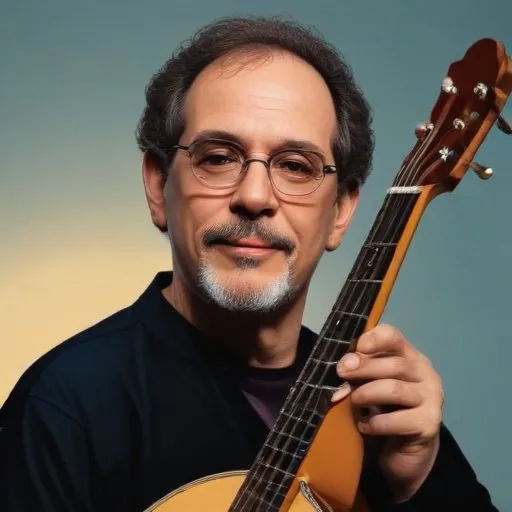
David Bromberg: The Eclectic Virtuoso of American Roots Music
A Fingerpicking Maestro with a Quirky Twist
David Bromberg is renowned for his extraordinary fingerpicking style, quirky lyrics, and the ability to play rhythm and lead guitar simultaneously, earning him a reputation as a master of American roots music. This multi-instrumentalist, singer, and songwriter has effortlessly traversed genres, from bluegrass and blues to folk, jazz, country, and rock and roll.
A Musical Odyssey
Born on September 19, 1945, in Philadelphia, Bromberg's musical journey began during his college years at Columbia University, where he studied guitar under the tutelage of
Reverend Gary Davis. This mentorship would later influence his signature fingerpicking style. Bromberg's early performances on the Greenwich Village folk circuit solidified his status as a sought-after accompanist and solo artist.
Captivating Collaborations
Bromberg's impressive resume boasts collaborations with legendary musicians, including
Jerry Jeff Walker,
Willie Nelson,
Jorma Kaukonen,
Jerry Garcia, and
Bob Dylan. One notable collaboration was with
George Harrison, with whom he co-wrote the song "The Holdup" for his 1972 self-titled album. This album also featured a guest appearance by Bob Dylan on harmonica for Bromberg's composition "Sammy's Song."
Session Work and Solo Success
As a session musician, Bromberg contributed to Bob Dylan's 1970 albums
Self Portrait and
New Morning. His impressive work led to a recording contract with Columbia Records, kick-starting his solo career. Bromberg's debut album, released in 1972, showcased his eclectic style and earned him a spot on the Isle of Wight Festival, where he performed an impromptu solo set that wowed audiences.
Awards and Accolades
In 2008, Bromberg was nominated for a Grammy Award, cementing his position as a respected figure in American roots music.
Philosophical Contributions and Beliefs
Through his music, Bromberg has consistently conveyed a sense of humor and humility, often incorporating witty lyrics and storytelling into his songs. His commitment to preserving traditional American music has earned him a reputation as a guardian of the genre.
Influence on Modern Society
Bromberg's unique blend of folk, rock, and blues has inspired a new generation of musicians, ensuring his legacy continues to shape the American roots music landscape.
Personal Milestones and Key Life Events
- Born on September 19, 1945, in Philadelphia, Pennsylvania
- Studied guitar under Reverend Gary Davis at Columbia University
- Released self-titled debut album in 1972, featuring "The Holdup" and "Sammy's Song"
- Nominated for a Grammy Award in 2008
Legacy and Impact
David Bromberg's remarkable career has left an indelible mark on American roots music. His contributions as a session musician, solo artist, and storyteller have enriched the genre, ensuring his legacy will be cherished for generations to come.
FAQ
What instruments does David Bromberg play?
David Bromberg is a multi-instrumentalist, playing a wide range of instruments including the guitar, fiddle, banjo, and mandolin. He is particularly known for his expertise on the guitar.
What is David Brombergs style of music?
David Brombergs music style is a unique blend of folk, rock, blues, and country. He is known for his eclectic approach to music, which has earned him a loyal following across multiple genres.
What is David Brombergs most famous song?
David Brombergs most famous song is probably Will Not Be Your Fool Again, which has become a fan favorite and a staple of his live performances.
Who has David Bromberg collaborated with?
David Bromberg has collaborated with a wide range of musicians, including Bob Dylan, George Harrison, and Jerry Garcia. He has also performed with the Grateful Dead and appeared on several of their albums.
What is David Brombergs legacy in music?
David Brombergs legacy in music is that of a highly influential and versatile musician who has made significant contributions to multiple genres. He continues to be a respected and beloved figure in the music world.