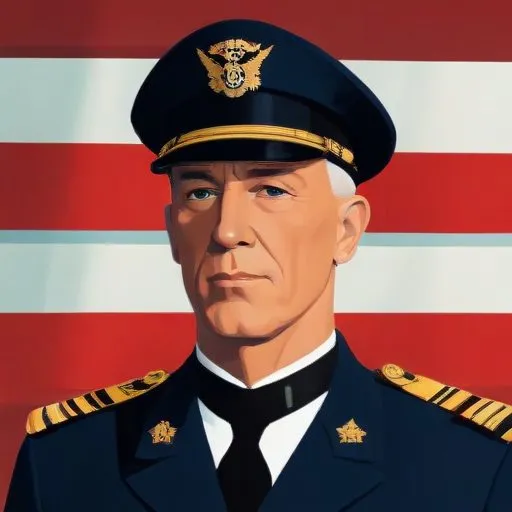
David C. Jones: The Visionary Air Force General Who Shaped Modern Military Leadership
A Pioneering Military Career
David C. Jones, the ninth Chairman of the Joint Chiefs of Staff, is renowned for his tireless efforts to establish the Chairman as the principal military advisor to the President, revolutionizing the role of the Joint Chiefs of Staff. Through his dedication and perseverance, Jones played a pivotal role in shaping modern military leadership, earning him a revered place in American military history.
Early Life and Education
Born on July 9, 1921, in Aberdeen, South Dakota, Jones grew up in Minot, North Dakota. He attended Minot High School and later pursued higher education at the University of North Dakota in Grand Forks and Minot State Teachers College. During his college years, Jones obtained his private pilot license through the Civilian Pilot Training Program, a skill that would serve him well in his future military career.
Military Career Milestones
Jones' military career spans over four decades, marked by numerous achievements and milestones. Some notable highlights include:
- Graduating from Roswell Army Airfield flight school in New Mexico in February 1943, where he received his pilot wings and was commissioned as a second lieutenant in the United States Army Air Forces.
- Serving as a flying instructor in New Mexico, Arizona, and Texas, before being assigned to the 3rd Emergency Rescue Squadron of the Fifth Air Force in Japan in 1945.
- Commanding the 2236th Air Force Reserve Training Center, Godman Field, Kentucky, from 1948 to 1949.
- Becoming the commander of the 19th Bombardment Squadron at March AFB, California, in 1955.
- Serving as the Chief of Staff of the United States Air Force from 1974 to 1978.
Reforming the Joint Chiefs of Staff
Jones' most significant contribution to military reform came during his tenure as Chairman of the Joint Chiefs of Staff from 1978 to 1982. He campaigned tirelessly to establish the Chairman as the principal military advisor to the President, rather than just being a first among equals of the Joint Chiefs of Staff. This vision ultimately led to the passage of the Goldwater-Nichols Act in 1986, which fundamentally transformed the role of the Joint Chiefs of Staff and solidified the Chairman's position as the primary military advisor to the President.
Legacy and Impact
David C. Jones' remarkable military career and his unwavering commitment to reform have left an indelible mark on modern military leadership. His efforts have shaped the way the Joint Chiefs of Staff operate, ensuring that the highest-ranking military officer provides counsel to the President in times of crisis. Jones' legacy serves as a testament to his dedication, perseverance, and visionary leadership.
Awards and Honors
Throughout his distinguished career, Jones received numerous awards and honors, including:
- Distinguished Service Medal with four oak leaf clusters
- Defense Distinguished Service Medal
- Air Force Distinguished Service Medal with three oak leaf clusters
- Legion of Merit with oak leaf cluster
- AFM with oak leaf cluster
Personal Milestones
Jones' personal life was marked by several significant milestones, including his marriage to his wife, Lois, in 1942. Together, they had two children, David Jr. and Patricia. Jones passed away on August 10, 2013, at the age of 92, leaving behind a legacy that continues to inspire and guide military leaders to this day.
FAQ
What was David C. Jones role in the US Air Force?
David C. Jones was a US Air Force general who served as the ninth Chief of Staff of the US Air Force from 1974 to 1978. He played a crucial role in shaping the Air Forces strategy and policy during the Cold War era.
What were David C. Jones contributions to US national security?
David C. Jones made significant contributions to US national security, including the development of strategic nuclear deterrence policies and the modernization of the US Air Forces capabilities.
What was David C. Jones stance on nuclear deterrence?
David C. Jones was a strong advocate for nuclear deterrence, believing that a strong nuclear capability was essential for maintaining national security and preventing large-scale conflicts.
How did David C. Jones shape the US Air Forces role in modern warfare?
David C. Jones played a key role in shaping the US Air Forces role in modern warfare, recognizing the importance of air power in modern conflicts and investing in advanced technologies to enhance the Air Forces capabilities.
What legacy did David C. Jones leave behind in the US Air Force?
David C. Jones left behind a legacy of strategic leadership and vision in the US Air Force, shaping the services role in national security and inspiring future generations of Air Force leaders.