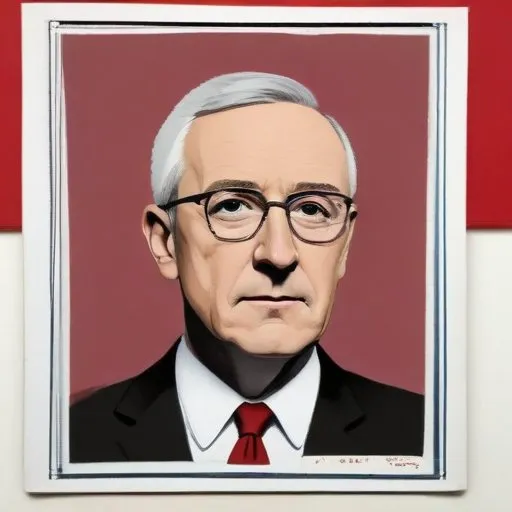
David Clark, Baron Clark of Windermere: A Force in British Politics
David Clark, Baron Clark of Windermere, is a British Labour Party politician, former cabinet minister, and author, known for his extensive contributions to British politics and his commitment to social justice. With a career spanning over four decades, Clark has left an indelible mark on British politics, serving as a Member of Parliament, Shadow Cabinet member, and Minister of State.
Early Life and Education
Born on October 19, 1939, in Castle Douglas, Scotland, Clark attended Bowness Elementary School and Windermere Grammar School in Cumbria. He later worked as a forester and laboratory assistant in a textile mill before becoming a student teacher in 1959. Clark's thirst for knowledge led him to the University of Manchester, where he earned a BA in Economics and later an M.Sc. He was also the President of the Students' Union.
Rise to Prominence
Clark's entry into politics began in 1959, when he joined the Labour Party. Two years later, he joined the Cooperative Party. His first foray into electoral politics was in 1966, when he stood unsuccessfully for Manchester Withington. However, he didn't let this setback deter him. Clark was first elected as a Member of Parliament (MP) for Colne Valley in 1970, representing the constituency until 1974. After losing his seat in the February 1974 general election, he became a senior lecturer in Politics at Huddersfield Polytechnic (now the University of Huddersfield) until 1979, when he returned to the House of Commons as MP for South Shields in Tyne and Wear.
Shadow Cabinet and Government Service
Clark was regularly elected to the Shadow Cabinet while the Labour Party was in opposition, holding various portfolios, including Agriculture, Fisheries, and Food (1972-1974), Defence (1980-1981), Food, Agricultural, and Rural Affairs (1987-1992), and Shadow Defence Secretary (1992-1997). Although he wasn't a strong supporter of New Labour, Clark did support
Tony Blair's bid for the party leadership in 1994. In 1997, Clark was appointed Minister of State for the Armed Forces, a position he held until 2001.
Legacy and Impact
Throughout his career, Clark has been a vocal advocate for social justice, human rights, and international cooperation. He has been a strong critic of the Iraq War and has consistently spoken out against nuclear proliferation. Clark's commitment to politics has earned him a reputation as a seasoned and respected statesman. In 2001, he was appointed Baron Clark of Windermere, becoming a member of the House of Lords.
Personal Milestones and Key Life Events
- 1960: Gained a BA in Economics from the University of Manchester
- 1965-1970: Lecturer in Government and Administration at the University of Salford
- 1967-1970: Tutor at the University of Manchester
- 1978: Gained a PhD from the University of Sheffield
- 1997: Appointed Minister of State for the Armed Forces
- 2001: Appointed Baron Clark of Windermere and became a member of the House of Lords
Philosophical Contributions and Beliefs
Clark's political philosophy has been shaped by his commitment to social justice, human rights, and international cooperation. He has consistently spoken out against nuclear proliferation and has been a vocal critic of the Iraq War. Clark's beliefs are rooted in the values of fairness, equality, and compassion.
Public Perception and Controversies
While Clark has been widely respected for his commitment to social justice, he has also faced criticism for his stance on certain issues, including his support for Tony Blair's bid for the party leadership in 1994. However, his dedication to politics and his unwavering commitment to his values have earned him a reputation as a principled and respected statesman.
Quotes and Memorable Sayings
- "Politics is about people, not just about policies."
- "The Labour Party is at its best when it is driven by a sense of social justice and a commitment to fairness."
Historical Context and Legacy
David Clark, Baron Clark of Windermere, is a testament to the power of dedicated public service. His commitment to social justice, human rights, and international cooperation has inspired generations of politicians and activists. As a respected statesman, Clark's legacy continues to shape British politics, serving as a reminder of the importance of compassion, fairness, and equality.
FAQ
What is David Clark, Baron Clark of Windermeres background?
David Clark, Baron Clark of Windermere is a Scottish academic and politician. He served as the Minister for the Cabinet Office and later became a life peer in the House of Lords.
What were David Clarks contributions to education?
David Clark made significant contributions to education, serving as the Vice-Chancellor of the University of Salford and later as the Chief Executive of the Higher Education Funding Council for England. He advocated for increased access to higher education and improved academic standards.
What roles has David Clark held in politics?
David Clark held various roles in politics, including Member of Parliament for South Shields, Minister for the Cabinet Office, and later became a life peer in the House of Lords. He was an active participant in debates on education, health, and local government.
What awards has David Clark received for his contributions?
David Clark received several awards for his contributions to education and public service, including the Honorary Fellowship of the Royal College of Physicians and the Honorary Doctorate from the University of Salford.
What is David Clarks legacy in UK politics?
David Clarks legacy in UK politics is marked by his commitment to education, healthcare, and public service. His contributions to the development of higher education policy and his work in the Cabinet Office have had a lasting impact on UK politics.