


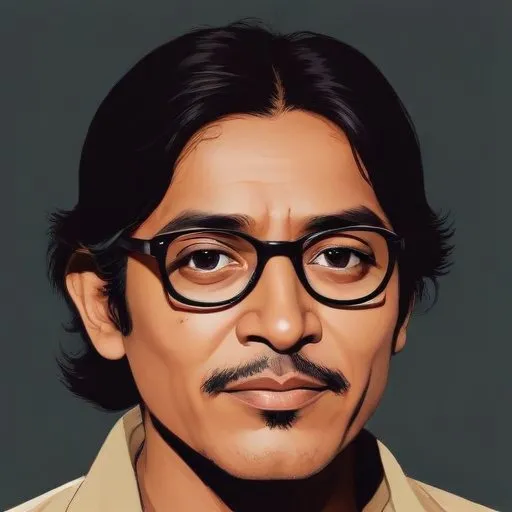
A pioneering figure in Indian cinema, known for directing and acting in numerous Bengali films, and introducing realism to Indian cinema through his screenplays.
Debaki Bose, a renowned Indian director, writer, and actor, is celebrated for his groundbreaking contributions to Hindi and Bengali cinema. He is particularly recognized for his innovative use of sound and music in Indian Cinema, raising the bar for filmmakers of his time.
Born on November 25, 1898, in Akalposh, East Burdwan, Bengal Presidency, British India, Debaki Bose was the son of a successful advocate. He graduated from Vidyasagar College, but his life took a dramatic turn when he was inspired by Mahatma Gandhi's call for non-cooperation movement. He abandoned his university education and started living on his own, opening a shop selling towels and editing a local weekly named Shakti.
Debaki Bose's writing skills caught the attention of Dhiren Ganguly, a prominent film director, who invited him to join British Dominion Films in Calcutta. This marked the beginning of Debaki's journey in the film industry, where he wrote scripts for Ganguly's films. Their collaboration culminated in the production of "Kamonar Agun" or "Flames of Flesh," the first film made by British Dominion Films.
In 1932, Debaki Bose directed "Chandidas," a film that introduced background music for the first time in Indian Cinema, with Raichand Boral as the music director.
His film "Seeta" (1934), produced under the banner of East India Film Company, became the first Indian talkie to be shown at an international film festival, earning an Honorary Diploma at the Venice Film Festival.
Debaki Bose was the first Indian director to receive international recognition, paving the way for Indian cinema to reach a global audience.
In 1932, Debaki Bose joined New Theatres, a prominent film production company, where he continued to make significant contributions to Indian cinema. Later, in 1945, he founded his own production company, Debaki Productions, further solidifying his position as a leading filmmaker.
Debaki Bose's innovative use of sound and music, as well as his contribution to Indian cinema's global recognition, have made him a legendary figure in the industry. His work has inspired generations of filmmakers, and his legacy continues to shape the course of Indian cinema.
Today, Debaki Bose is remembered as a pioneer who dared to challenge the norms and push the boundaries of Indian filmmaking, leaving behind a rich cultural heritage for future generations to cherish.
Born in 1921
Acclaimed filmmaker behind iconic Indian movies that beautifully blend social commentary with poignant storytelling, earning numerous international accolades. 82
Born in 1923
A pioneering filmmaker who explored themes of social justice and human struggle through his cinematic works, earning him international acclaim and numerous awards.
99 Years Old
A legendary figure in Indian cinema, known for his versatility in acting, directing, producing, and singing in numerous Bengali films, earning him the title "Mahanayak" (Great Hero).
