


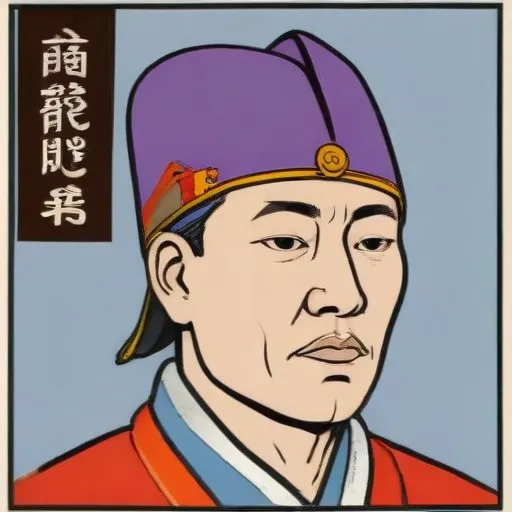
The 38th ruler of the Goryeo dynasty, known for his efforts to reform the government and economy, and for his diplomatic relations with the Song dynasty of China.
From 1031 to 1034, Deokjong of Goryeo, the ninth king of the Goryeo dynasty, left an indelible mark on Korean history. During his reign, he oversaw the compilation of national histories, fortified the northern frontier, and requested the return of Goryeo prisoners from the Liao dynasty.
Deokjong, born Wang Hm on June 9, 1016, was the son of King Hyeonjong. In 1022, he was confirmed as Crown Prince, paving the way for his future ascension to the throne.
During his reign, Deokjong completed the national histories compilation project initiated by his predecessor, King Hyeonjong. This monumental task aimed to preserve Korea's rich cultural heritage and historical records.
Under the guidance of General Kang Kamchan, Deokjong began the construction of the second Cheolli Jangseong, a significant fortification project that strengthened the kingdom's defenses.
In a bold move, Deokjong requested the Liao dynasty to return Goryeo prisoners and retreat from the Yalu River. When this request was refused, he turned to fortifying the northern frontier, demonstrating his commitment to protecting his people and territory.
Deokjong was the grandson of Anjong of Goryeo and Queen Heonjeong. His mother, Queen Wonseong, was the daughter of Kim nbu and Grand Lady of Ansan County of the Gyeongwon Yi clan.
Deokjong had multiple consorts, including Queen Gyeongseong of the Gyeongju Kim clan, Worthy Consort Gyeongmok of the Kaesong Wang clan, Queen Hyosa of the Ansan Kim clan, and two ladies from the Buyeo Yi and Chungju Yu clans. He had a daughter, Princess Sanghoe, who unfortunately died young.
Deokjong's vision for a stronger, more secure Goryeo dynasty led to significant accomplishments during his reign. His commitment to preserving national histories and fortifying the northern frontier helped shape Korea's future.
As a leader, Deokjong demonstrated his ability to make tough decisions, such as requesting the return of prisoners from the Liao dynasty. His actions showcased his dedication to protecting his people and territory.
Deokjong's remarkable reign, though short-lived, left a lasting impact on Korean history. His leadership, vision, and commitment to his people and territory have cemented his place as a revered figure in the annals of Korean royalty.
