


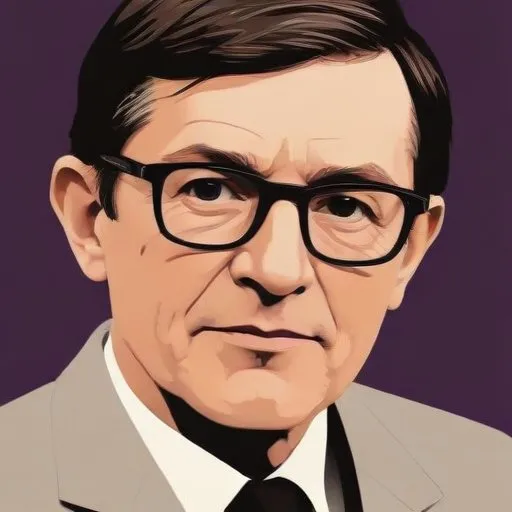
A renowned BBC Radio 1 controller who revolutionized British radio by introducing innovative programming and iconic DJs, shaping the country's music landscape.
As the controller of BBC Radio 1 from 1978 to 1985, Derek Chinnery revolutionized the airwaves, paving the way for a new generation of music enthusiasts. During his tenure, he oversaw a significant transformation of the network, relaxing guidelines on banned records and introducing fresh programming that captivated audiences nationwide.
Born in Richmond, London, on April 27, 1925, Chinnery's fascination with broadcasting began at an early age. He joined the BBC in 1941, just 16 years old, and soon found himself immersed in the world of radio. Following a brief stint in the Royal Air Force (RAF) from 1943 to 1947, Chinnery returned to the BBC, eventually becoming a producer in 1952.
Chinnery's appointment as controller of BBC Radio 1 marked a significant turning point in the network's history. He inherited a struggling station, plagued by outdated programming and restrictive policies. Undeterred, Chinnery set out to modernize the station, introducing sweeping changes that would propel Radio 1 to unprecedented heights.
One of Chinnery's most notable reforms was the relaxation of guidelines on banned records. This bold move allowed artists to express themselves freely, and the station to play a more diverse range of music. The decision opened the floodgates for innovative programming, including the launch of new shows and the cultivation of emerging talent.
During his tenure, Chinnery faced a difficult decision when confronted with allegations of inappropriate sexual activities involving Jimmy Savile. Chinnery admitted to having a conversation with Savile, who denied the allegations. At the time, Chinnery believed Savile's denial, citing his charitable work and perceived innocence. In retrospect, this encounter has sparked controversy, with many criticizing Chinnery's inaction.
Away from the spotlight, Chinnery led a private life, marrying Doreen Clarke in 1953. Despite the controversies surrounding his time at Radio 1, Chinnery's impact on British broadcasting is undeniable. His vision and leadership transformed the station, leaving a lasting legacy that continues to inspire generations of music lovers.
In the words of Chinnery himself, "Radio should be a reflection of the times we live in." His dedication to pushing boundaries and embracing innovation continues to resonate, cementing his place as a broadcasting legend.
Though his tenure was marked by controversy, Derek Chinnery's unwavering commitment to innovation and creativity continues to inspire generations of broadcasting professionals. As a pioneer of British radio, his legacy remains an indelible part of the nation's cultural heritage.
98 Years Old
A renowned British news anchor and journalist, known for presenting flagship BBC programs, including the Nine O'Clock News and Election Night specials.
Born in 1925
A BBC newsreader and author, best known for being the first person to read the news on BBC Television in 1954, and for his distinctive style and voice.
Born in 1924
A pioneering Indian-English journalist and actor who presented the first BBC television news bulletin in 1954, and later appeared in several films and TV shows, including the James Bond movie "You Only Live Twice".
77 Years Old
A renowned Scottish journalist and academic, known for presenting various BBC political programs, including the BBC's flagship political show, and for his in-depth interviews with prominent politicians.
