


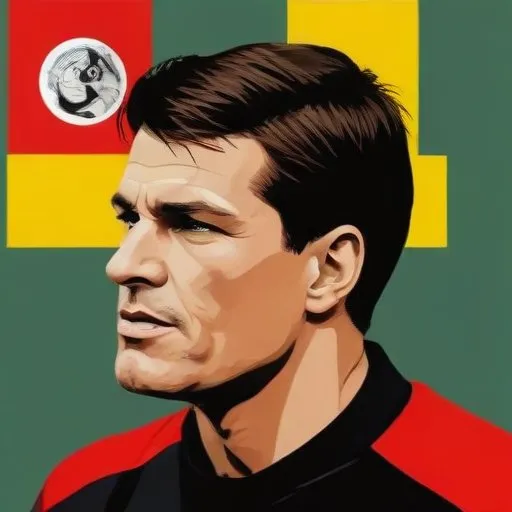
Dieter Hecking, a name synonymous with German football, is a renowned manager and former professional player, best known for his tactical prowess and ability to turn around struggling teams. With a career spanning over two decades, Hecking has left an indelible mark on the sport, earning him a reputation as one of the most respected coaches in the German football circuit.
Born on September 12, 1964, in Castrop-Rauxel, West Germany, Hecking's love for football was evident from a young age. He began his playing career as a midfielder for Hannover 96 and later moved to Eintracht Braunschweig, where he honed his skills and developed a strong work ethic.
Hecking's journey into management began in 2000 when he took the reins at Regionalliga Nord outfit SC Verl. Although his stint was short-lived, he soon found himself at the helm of VfB Lübeck, another Regionalliga Nord side. It was during this tenure that Hecking's managerial skills began to shine, as he guided the team to a title win and subsequent promotion to the 2. Bundesliga.
In 2004, Hecking joined Alemannia Aachen, where he replaced departing coach Jörg Berger. His time at the club was marked by a mix of highs and lows, including a semifinal appearance in the DFB-Pokal and a relegation to the 2. Bundesliga. Despite this, Hecking's reputation as a shrewd tactician continued to grow, earning him recognition within the German football community.
Hecking's managerial approach is characterized by his emphasis on discipline, hard work, and attention to detail. He is known for his ability to adapt to different playing styles and adjust his tactics to suit the strength of his team. This flexibility has earned him a reputation as a master tactician, respected by his peers and players alike.
Dieter Hecking's contributions to German football extend beyond his on-field achievements. He has inspired a generation of coaches and players, and his influence can be seen in the many teams he has managed and the players he has mentored. As a testament to his enduring legacy, Hecking remains one of the most respected and beloved figures in German football.
Dieter Hecking's remarkable journey, marked by triumphs and setbacks, is a testament to his unwavering dedication to the beautiful game. As a manager, he has left an indelible mark on German football, and his legacy continues to inspire and influence the sport. Hecking's passion, expertise, and commitment to excellence have cemented his place as one of the most respected figures in German football history.
81 Years Old
A German football legend who won numerous titles as a player and manager, including four Champions League trophies, and is renowned for his tactical genius and ability to motivate teams.
71 Years Old
A German football legend who played for Bayern Munich and the national team, winning numerous titles, and later became a successful club executive.
81 Years Old
A German football legend who won the World Cup as both a player and manager, known for his innovative style and leadership on the pitch.
71 Years Old
A German politician and businessman who served as the Minister of Food, Agriculture, and Consumer Protection from 2001 to 2005, known for his efforts to promote sustainable agriculture and animal welfare.
75 Years Old
A legendary German midfielder who won the 1974 World Cup and is renowned for his attacking prowess and iconic hairstyle. He's a football legend and cultural icon of the 1970s.
82 Years Old
Legendary German goalkeeper and manager, known for his incredible reflexes and shot-stopping ability, earning him the nickname "Die Katze von Anzing" (The Cat from Anzing).
79 Years Old
A German football legend who won the 1974 World Cup as a player and later managed several national teams, including Germany and Scotland. He's known for his tough defensive tactics and iconic sweeper role.
