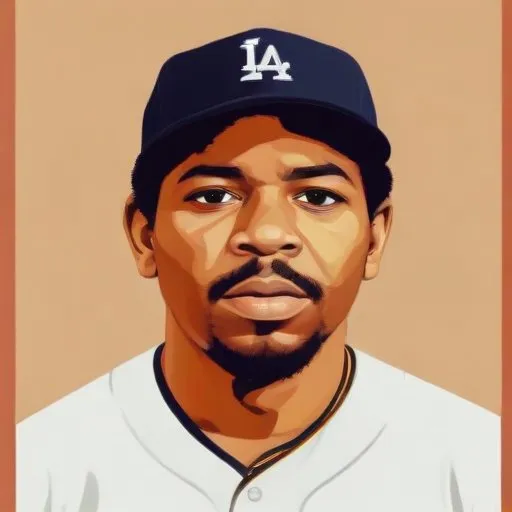
Dock Ellis: The Enigmatic Pitcher Who Defied Conventions
A No-Hitter Under the Influence
Dock Ellis is famously known for throwing a no-hitter on June 12, 1970, while pitching for the Pittsburgh Pirates. What makes this achievement even more remarkable is that he did so under the influence of LSD, a claim he later revealed in his autobiography. This daring feat cemented his place in baseball history and made him a legendary figure in the sport.
Early Life and Rise to Prominence
Born on March 11, 1945, in Los Angeles, California, Ellis grew up in a turbulent environment, struggling with substance abuse from a young age. Despite these challenges, he excelled in sports, playing basketball and baseball for Gardena High School. His talent on the diamond eventually earned him a spot on the Pittsburgh Pirates Rookies, a local semiprofessional team, where he was discovered by scouts and eventually signed with the Pirates in 1964.
A Turbulent MLB Career
Ellis's MLB career spanned 12 seasons, during which he played for the Pirates, New York Yankees, Oakland Athletics, Texas Rangers, and New York Mets. With a career record of 138-119 and a 3.46 ERA, he was a formidable force on the mound. Ellis was an integral part of the Pirates' dominance in the National League East during the early 1970s, helping the team win five division titles between 1970 and 1975. He even started for the National League in the 1971 All-Star Game.
Advocacy and Activism
Off the field, Ellis was an outspoken advocate for players' rights and African American rights. He was vocal about the racial injustices faced by African American players and fought for better working conditions and higher salaries.
Struggles with Substance Abuse
Ellis's struggles with substance abuse continued throughout his career, and he later admitted to pitching under the influence of drugs. After retiring from baseball, he entered treatment and remained sober for the remainder of his life. He dedicated himself to counseling others with substance use disorders in treatment centers and prisons.
Legacy and Honors
Despite his tumultuous career, Ellis's contributions to baseball were recognized with his selection as the American League's Comeback Player of the Year in 1976. He spent his post-baseball life dedicated to helping others overcome addiction and promoting social justice.
Trivia and Fun Facts
- Ellis was known for his unique pitching style, which included a distinctive "step-behind" windup.
- He was a vocal critic of baseball's reserve clause, which he felt unfairly restricted players' rights.
- Ellis was an avid reader and was particularly fond of the works of Malcolm X and Marvin Gaye.
Impact on Modern Society
Dock Ellis's legacy extends far beyond his impressive baseball statistics. He was a trailblazer for social justice, using his platform to advocate for players' rights and African American rights. His candid discussions about substance abuse and his later work as a counselor helped reduce the stigma surrounding addiction.
Timeline of Milestones
- 1964: Signed with the Pittsburgh Pirates
- 1968: Made MLB debut
- 1970: Threw a no-hitter while under the influence of LSD
- 1971: Started for the National League in the All-Star Game
- 1976: Joined the New York Yankees and was named Comeback Player of the Year
- 2008: Passed away on December 19 at the age of 63
The Enigmatic Legacy of Dock Ellis
Dock Ellis's life was a complex tapestry of triumph and turmoil, marked by both incredible achievements and heartbreaking struggles. As we reflect on his legacy, we are reminded that even the most flawed individuals can leave an indelible mark on the world.
FAQ
What is Dock Elliss most notable achievement in baseball?
Dock Ellis is famous for pitching a no-hitter while under the influence of LSD in 1970, a feat that has become one of the most iconic moments in baseball history.
What teams did Dock Ellis play for?
Dock Ellis played for several teams, including the Pittsburgh Pirates, New York Yankees, and New York Mets, during his 12-year MLB career.
What was Dock Elliss pitching style?
Dock Ellis was known for his unique pitching style, which included a variety of fastballs, curves, and sliders, as well as his ability to throw a no-hitter under unusual circumstances.
Was Dock Ellis involved in any controversies?
Yes, Dock Ellis was involved in several controversies throughout his career, including a fight with Reggie Jackson and a suspension for drug use.
What did Dock Ellis do after retiring from baseball?
After retiring from baseball, Dock Ellis went on to become a counselor for troubled youths and an advocate for drug awareness programs.