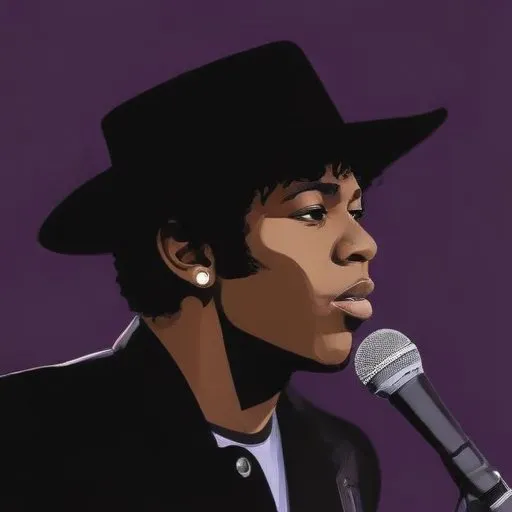
Don Covay: The Soulful Songwriter Behind R&B and Rock 'n' Roll Classics
A Legacy of Chart-Topping Hits
Don Covay, born Donald James Randolph, was an American R&B, rock and roll, and soul singer-songwriter who left an indelible mark on the music industry. With a career spanning over four decades, Covay is best known for penning hits like "Mercy, Mercy" (1964), "See-Saw" (1965), and "It's Better to Have and Not Need" (1974), as well as writing "Pony Time," a US number 1 hit for
Chubby Checker, and "Chain of Fools," a Grammy-winning song for Aretha Franklin.
Early Life and Gospel Roots
Covay was born on March 24, 1936, in Orangeburg, South Carolina. Following his father's death when Covay was just eight years old, he moved to Washington, D.C. with his mother, Helen Zimmerman Randolph, and siblings. Covay's initial foray into music was through his family's gospel quartet, the Cherry Keys, where he honed his vocal skills.
Crossing Over to Secular Music
In the early 1950s, Covay transitioned to secular music as a member of the Rainbows, making his first recordings with the group in 1956. This marked the beginning of his journey as a solo artist, with his first single, "Bip Bop Bip," released on Atlantic Records in 1957. Although it didn't yield immediate success, Covay continued to work with various labels, eventually signing with Columbia Records in 1961.
Breakthrough and Chart-Topping Success
Covay's big break came in 1961 with the release of "Pony Time," which he co-wrote with fellow Rainbows member
John Berry. The song reached No. 60 on the Billboard pop chart, setting the stage for his subsequent hits. In 1962, he signed with Cameo-Parkway Records, leading to a string of successful releases, including "Mercy, Mercy" and "See-Saw."
Philosophical Contributions and Beliefs
Through his music, Covay conveyed a sense of soulful introspection, often exploring themes of love, heartache, and social commentary. His songs resonated with listeners, transcending genres and generations. Covay's artistic philosophy was deeply rooted in his gospel background, which infused his music with a sense of authenticity and emotional depth.
Personal Milestones and Key Life Events
- Received a Pioneer Award from the Rhythm and Blues Foundation in 1994
- Passed away on January 31, 2015, leaving behind a legacy of timeless classics
Influence on Modern Society
Don Covay's impact on modern society is multifaceted. His songs have been covered by numerous artists, including
Wilson Pickett,
Etta James, and The Rolling Stones. Covay's music has also been featured in various films, TV shows, and commercials, ensuring his legacy continues to inspire new generations of music enthusiasts.
Quotes and Memorable Sayings
"I'm just a songwriter trying to make people happy." - Don Covay
Historical Context and Legacy
Covay's career traversed nearly the entire spectrum of rhythm and blues music, from doo-wop to funk. He worked alongside legendary artists, including
Little Richard,
Ben E. King, and
Aretha Franklin, earning him a place among the pioneers of R&B and rock 'n' roll. Covay's influence can be seen in the many artists he inspired, including The Temptations, The Four Tops, and
Otis Redding.
Career Highlights and Major Works
- "Mercy, Mercy" (1964)
- "See-Saw" (1965)
- "It's Better to Have and Not Need" (1974)
- "Pony Time" (1961)
- "Chain of Fools" (1967)
Awards and Honors
- Pioneer Award from the Rhythm and Blues Foundation (1994)
Controversies and Public Perception
Throughout his career, Covay faced challenges in navigating the ever-changing music landscape. Despite facing setbacks and label changes, he remained committed to his art, earning him a reputation as a resilient and dedicated artist.
Visual Timeline and Milestones
- 1936: Born in Orangeburg, South Carolina
- 1950s: Moved to Washington, D.C. with his family
- 1956: Made first recordings with the Rainbows
- 1961: Released "Pony Time" and signed with Columbia Records
- 1962: Signed with Cameo-Parkway Records
- 1964: Released "Mercy, Mercy"
- 1965: Released "See-Saw"
- 1974: Released "It's Better to Have and Not Need"
- 1994: Received Pioneer Award from the Rhythm and Blues Foundation
- 2015: Passed away on January 31
Don Covay's remarkable journey serves as a testament to his enduring impact on the music industry. As a singer-songwriter, he left an indelible mark on R&B, rock 'n' roll, and soul music, cementing his place among the legends of American music.
FAQ
What is Don Covays most famous song?
Don Covay is perhaps best known for his hit song Mercy, Mercy, a funky, soulful classic that has become a staple of soul and R&B music.
How did Don Covay get started in music?
Don Covay got started in music through a combination of gospel, doo-wop, and R&B, eventually becoming a successful singer, songwriter, and producer in his own right.
What kind of music did Don Covay typically make?
Don Covay typically made soul, R&B, and funk music, with a focus on strong songwriting, catchy hooks, and driving rhythms.
Did Don Covay work with other famous musicians?
Yes, Don Covay worked with numerous famous musicians, including Jimi Hendrix, Bobby Womack, and Wilson Pickett, and was a key figure in the development of soul and R&B music in the 1960s and 1970s.
What was Don Covays impact on the music industry?
Don Covays impact on the music industry was significant, as he helped to shape the sound of soul and R&B music, and inspired a generation of musicians, including Eric Clapton, The Rolling Stones, and Led Zeppelin.