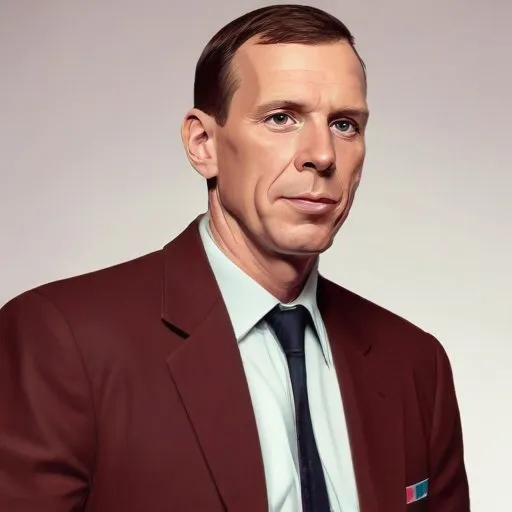
Doug Collins: A Basketball Icon and Visionary
The Early Years and Rise to Fame
Doug Collins, born on July 28, 1951, is an American basketball executive, former player, coach, and television analyst in the National Basketball Association (NBA). With an illustrious career spanning over four decades, Collins is renowned for his impressive playing skills, exceptional coaching prowess, and insightful commentary on the game.
College and Professional Career
Collins' basketball journey began at Illinois State University, where he played under the guidance of Will Robinson, the first black head coach in NCAA Division I. His remarkable college performance earned him the top pick in the 1973 NBA draft by the Philadelphia 76ers. During his eight-year stint with the 76ers, Collins became a four-time NBA All-Star, scoring 7,427 points (17.9 per game) in 415 NBA games. His impressive form, alongside
Julius Erving, led the Sixers to the NBA Finals in 1977.
Coaching Career and Television Analyst
After retiring from playing, Collins transitioned to coaching, joining Bob Weinhauer's staff at Penn as an assistant coach. He later moved to Arizona State and eventually became a CBS television commentator, showcasing his expertise and charisma as a broadcaster. Collins' coaching career took off in 1986, as he went on to coach the Chicago Bulls, Detroit Pistons, Washington Wizards, and Philadelphia 76ers.
Curt Gowdy Media Award and Naismith Memorial Basketball Hall of Fame
Collins' contributions to the world of basketball were recognized with the
Curt Gowdy Media Award. In April 2024, he was elected to the Naismith Memorial Basketball Hall of Fame, class of 2024, by the Contributors Committee – a testament to his enduring impact on the sport.
Personal Milestones and Key Life Events
Born in Christopher, Illinois, Collins grew up in Benton, Illinois, where his next-door neighbor was future film star
John Malkovich. His high school basketball career at Benton Consolidated High School, under coach Rich Herrin, laid the foundation for his future success.
Philosophical Contributions and Beliefs
Throughout his career, Collins has emphasized the importance of teamwork, discipline, and hard work. He has inspired generations of players and coaches with his passion for the game and his ability to adapt to changing circumstances.
Influence on Modern Society and Pop Culture
Collins' influence extends beyond the basketball court, with his commentary and analysis shaping the way fans understand and appreciate the game. His presence in popular culture is evident in his appearances on various NBA-related broadcast shows, making him a household name.
Quotable Collins
- "I've always tried to be a student of the game. I've always tried to learn." – Doug Collins
Legacy and Comparative Analysis
Doug Collins' legacy is a testament to his dedication, perseverance, and innovative approach to the game. His ability to excel as a player, coach, and analyst sets him apart from his contemporaries, solidifying his position as one of the most influential figures in basketball history.
Awards and Honors
- Curt Gowdy Media Award
- Naismith Memorial Basketball Hall of Fame, class of 2024
- Four-time NBA All-Star
FAQ
What is Doug Collins playing career like?
Doug Collins played 8 seasons in the NBA, from 1973 to 1981, and was a four-time NBA All-Star. He played for the Philadelphia 76ers, Chicago Bulls, and Illinois Fighting Illini.
What is Doug Collins coaching career like?
Doug Collins has coached several teams, including the Chicago Bulls, Detroit Pistons, and Philadelphia 76ers. He led the Bulls to the playoffs in 1985 and 1986.
What awards did Doug Collins win as a player?
Doug Collins won the 1973 NBA Rookie of the Year award and was named to the 1974 All-NBA Second Team.
What is Doug Collins broadcasting career like?
Doug Collins worked as a color commentator for NBC Sports and later as an analyst for TNT.
What is Doug Collins legacy in basketball?
Doug Collins is known for his competitive spirit and intense coaching style, earning him respect from players and coaches alike. He was inducted into the Illinois Athletics Hall of Fame in 2014.