


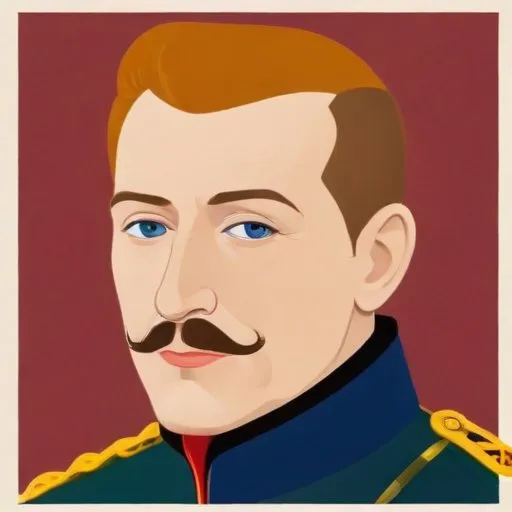
Eberhard II, Duke of Wrttemberg, is remembered as a German nobleman who ruled Wrttemberg from 1496 to 1498, leaving behind a tumultuous legacy marked by power struggles, alliances, and controversies. As the sixth Duke of Wrttemberg, he played a crucial role in shaping the fate of the region, earning him a place in the annals of history.
Born on February 1, 1447, in Waiblingen, Eberhard II spent his formative years at the Burgundian court, where he was exposed to the intricacies of court politics and diplomacy. This early experience would later influence his decisions as a ruler. In 1461, he participated in the coronation of King Louis XI of France in Reims, further expanding his understanding of royal politics.
In 1477, a family treaty secured Eberhard II's succession in Wrttemberg-Urach, which was ruled by Count Eberhard V, also known as the Bearded One. Following his father's death in 1480, Eberhard II took over the rule of Wrttemberg and signed the Treaty of Mnsingen with Eberhard V in 1482. This treaty reunited Wrttemberg, with Eberhard II granting power to Eberhard V in exchange for the promise of succession.
However, Eberhard II's bid for power was soon challenged by Eberhard V, who limited his successor's right of succession to Wrttemberg-Stuttgart in 1489. Undeterred, Eberhard II continued to fight for full sovereignty, finally achieving his goal after Eberhard V's death in 1495. He assumed the title of Duke Eberhard II, marking the beginning of his tumultuous reign.
Eberhard II's reign was short-lived, as he soon fell out of favor with the nobility, who conspired against him with the Habsburg King Maximilian I. In 1498, he was deposed and exiled to Ulm, where he was forced to accept the Arbitration of Horb and an annual pension. Eberhard II died on February 17, 1504, at Lindenfels Castle, leaving behind a legacy of power struggles and controversy.
Eberhard II's reign may have been marked by turmoil, but it also showcased his determination and resilience in the face of adversity. His legacy serves as a testament to the complexities of medieval politics and the relentless pursuit of power. Despite his flaws, Eberhard II remains an important figure in German history, a reminder of the intrigue and drama that shaped the destiny of Wrttemberg.
Eberhard II's life and reign serve as a fascinating chapter in the history of Wrttemberg, a testament to the complexities of human nature and the unyielding pursuit of power. His legacy continues to captivate historians and scholars, offering a glimpse into the intrigue and drama of medieval politics.
