


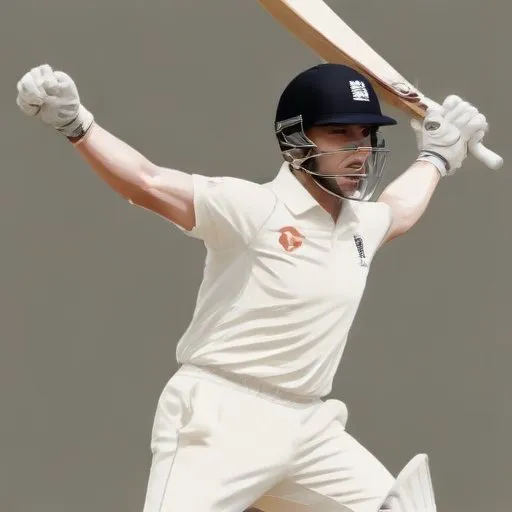
English cricketer who played for Kent County Cricket Club and was a right-arm medium-pace bowler and a hard-hitting lower-order batsman. He took 144 wickets in 144 matches.
Eddie Leadbeater, a name synonymous with English cricket, is renowned for his brief yet eventful stint as a Test cricketer in the 1950s. With a career spanning mere two Tests in 1951, Leadbeater's impact on the sport was short-lived, yet his legacy remains etched in the annals of cricket history.
Born on August 15, 1927, in Lockwood, Huddersfield, West Riding of Yorkshire, Leadbeater's affinity for cricket was evident from a tender age. He began his cricketing journey as a right-handed lower-order batsman and a leg-break and googly bowler, slowly making a name for himself in the Yorkshire cricket circuit.
Leadbeater's breakthrough came in 1950 and 1951 when he had two productive seasons with Yorkshire, grabbing the attention of cricket enthusiasts and selectors alike. His impressive performances earned him a spot on the 1951-52 Marylebone Cricket Club (MCC) tour of India, Pakistan, and Ceylon, replacing the injured Bert Rhodes.
Leadbeater's international debut was nothing short of unexpected, but he failed to make a significant impact, particularly in his two Test matches. Cricket writer Colin Bateman attributed his struggles to being "more of an accurate roller, than a traditional leg spinner." Despite modifying his action to reduce his expensive economy rate, Leadbeater's bowling never quite regained its former potency.
After dropping out of the Yorkshire side, Leadbeater joined Warwickshire in 1957, playing fairly regularly in 1958. Although his first-class career yielded fewer than 100 wickets, he did score his only first-class century in his final season, amassing 116 runs in a memorable partnership with Fred Gardner against Glamorgan.
Eddie Leadbeater passed away on April 17, 2011, leaving behind a cricketing legacy that, though short-lived, remains significant. His journey serves as a testament to the fleeting nature of sporting success, where even the most promising careers can be cut short.
Despite never being awarded a county cap, Leadbeater's name remains etched in the annals of English cricket history, inspiring generations of cricketers to strive for excellence, even in the face of adversity.
Born in 1903
A dominant right-handed batsman and successful coach who held multiple records for his impressive cricketing career, including the highest individual Test score for England.
66 Years Old
A former All Blacks captain and chairman of the New Zealand Rugby Union, known for his leadership and contributions to the sport's governance.
Born in 1894
A renowned opening batsman who dominated cricket in the early 20th century, known for his exceptional defensive skills and record-breaking partnerships.
Born in 1916
A highly skilled batsman and captain of the English cricket team, known for his exceptional technique and leadership during the post-war era.
93 Years Old
A highly skilled and technically sound batsman, known for his elegant style and impressive record in Test cricket, earning him a place among the all-time greats.
86 Years Old
A legendary English cricketer and sportscaster renowned for his exceptional batting skills and outspoken commentary style. He's a household name in the cricket world, known for his strong opinions and witty remarks.
70 Years Old
A legendary English sportsman who excelled in cricket and football, and later became a renowned sportscaster, known for his charismatic personality and exceptional sporting achievements.
Born in 1905
A pioneering musician and bandleader who blended country, jazz, and blues to create a unique Western swing sound, known for hits like "San Antonio Rose" and "Faded Love".
