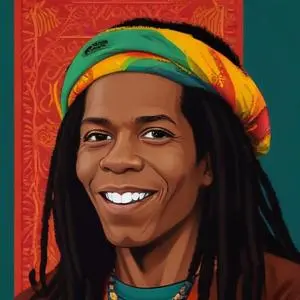
Eddy Grant: The Pioneering Voice of Genre-Blending Sound
A Music Icon of Unparalleled Versatility
Eddy Grant is a Guyanese-British singer, songwriter, and multi-instrumentalist renowned for his trailblazing sound, which seamlessly blends pop, rock, soul, funk, reggae, electronic, African polyrhythms, and Latin music genres. With a career spanning over five decades, Grant has left an indelible mark on the music industry, earning him a reputation as one of the most innovative and socially conscious artists of our time.
Early Life and Career
Born on March 5, 1948, in Plaisance, British Guiana (now Guyana), Grant's early life was marked by a strong musical influence. His father, Patrick, a trumpeter, played in Nello and the Luckies, exposing Grant to the rich cultural heritage of Guyana. After emigrating to the United Kingdom in 1960, Grant attended Acland Burghley Secondary Modern in Tufnell Park, where he learned to read and write music.
Chuck Berry's live performance at the Finsbury Park Astoria inspired Grant to pursue a career in music.
The Equals: A Racially Mixed Pop Group Pioneer
In 1965, Grant formed the Equals, a groundbreaking racially mixed pop group that defied the norms of the time. As the lead guitarist and backing vocalist, Grant penned the group's first hit single, "I Get So Excited." The Equals' 1968 chart-topper, "Baby, Come Back," showcased Grant's songwriting prowess and paved the way for the group's subsequent top 40 hits in the UK.
Solo Career: A Symphony of Genre-Bending Hits
Grant's solo career took off in the 1980s, marked by the release of his 1982 song "I Don't Wanna Dance." However, it was his 1983 single "Electric Avenue" that catapulted him to international stardom, earning him a Grammy Award nomination. The platinum-selling hit showcased Grant's innovative blend of pop, rock, and reggae, solidifying his position as a genre-bending pioneer.
Socially Conscious Lyrics and Anti-Apartheid Anthem
Grant's music has always been infused with socially conscious lyrics, addressing issues of racism, inequality, and social justice. His 1988 song "Gimme Hope Joanna" became an anthem for the anti-apartheid movement, resonating with audiences worldwide.
Influence on Modern Society and Career Highlights
Eddy Grant's influence on modern music is undeniable. He has been cited as an inspiration by artists such as The Police, The Clash, and UB40. His genre-bending sound has paved the way for contemporary artists like
Bruno Mars and Arcade Fire. With a string of hits, including "Romancing the Stone" and "I Don't Wanna Dance," Grant's music has become synonymous with fun, energy, and social awareness.
Awards, Honors, and Legacy
Throughout his illustrious career, Grant has received numerous awards and nominations, including a Grammy Award nomination for "Electric Avenue." His contributions to music have been recognized with an
Ivor Novello Award and a Brit Award. Grant's legacy continues to inspire new generations of musicians, solidifying his position as a true music icon.
Philosophical Contributions and Beliefs
Eddy Grant's music reflects his deep commitment to social justice, equality, and human rights. His lyrics often address the struggles of the marginalized, promoting unity and understanding. Grant's philosophy is rooted in the power of music to effect change, inspiring audiences to take action against social injustices.
Personal Milestones and Key Life Events
- 1968: The Equals' hit single "Baby, Come Back" reaches number one on the UK Singles Chart.
- 1983: Grant releases "Electric Avenue," his biggest international hit.
- 1988: Grant releases "Gimme Hope Joanna," an anti-apartheid anthem.
Impact on Pop Culture
Eddy Grant's music has transcended genres, inspiring a wide range of artists and influencing popular culture. From his iconic music videos to his infectious live performances, Grant has become an integral part of the music landscape, leaving an indelible mark on the industry.