


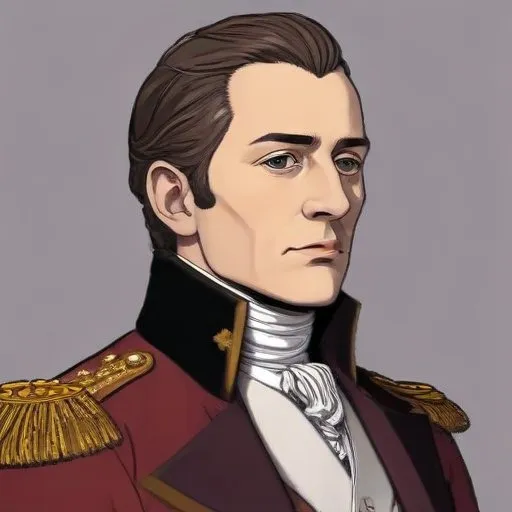
A 15th-century English nobleman who held various titles and played a significant role in the Wars of the Roses, fighting on the Yorkist side. He was also a loyal supporter of King Edward IV.
Edward Hastings, 2nd Baron Hastings, was a prominent English peer who served as a loyal advisor to the monarch and held various esteemed positions during the reign of King Henry VII. As a member of the Hastings family, he was known for his unwavering dedication to the crown and his notable contributions to the country's governance and development.
Born on November 26, 1466, in Kirby Muxloe Castle, Leicestershire, Edward Hastings was the son of Sir William Hastings, 1st Baron Hastings, and Katherine Neville, daughter of Richard Neville, 5th Earl of Salisbury. His mother's previous marriage to William Bonville, 6th Baron Harington, had resulted in a daughter, Cecily, making Edward the step-brother of Cecily Bonville.
Edward Hastings' impressive career was marked by several notable appointments and honors. He was invested as a Knight of the Bath in 1475, demonstrating his growing influence in the royal court. In 1485, he became the High Steward of the Honour of Leicester, further solidifying his position as a trusted advisor. He also held the offices of Constable of Leicester Castle and High Forester of Southwood in 1488. His most significant appointment came in 1504 when he was named a Privy Councillor, underscoring his close relationship with the monarch.
Between 1478 and 1480, Edward Hastings married Mary Hungerford, daughter of Sir Thomas Hungerford of Rowden and Anne Percy. Their union resulted in three children: George Hastings, 1st Earl of Huntingdon; William Hastings; and Anne Hastings. His eldest son, George, would go on to become a prominent figure in his own right, earning the title of Earl of Huntingdon and marrying Anne Stafford, widow of Sir Walter Herbert.
Edward Hastings' life and career were marked by a deep commitment to the British monarchy and the country's governance. His various appointments and honors testify to his loyalty and dedication to the crown. Through his family, he continued to exert influence on the country's development, with his descendants playing significant roles in shaping the nation's future.
