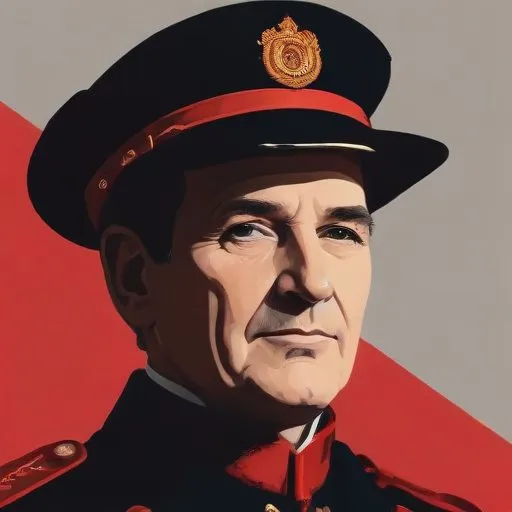
Edward Higgins: The Peacemaker of The Salvation Army
A Leader of Unwavering Compassion and Strength
Edward Higgins, the third General of The Salvation Army, is renowned for his exceptional leadership skills, his role as a peacemaker, and his tireless efforts to spread the message of hope and redemption. From 1929 to 1934, Higgins led the organization with unwavering compassion, navigating turbulent times with wisdom and fortitude.
Early Life and Ministry
Born on November 26, 1864, in Highbridge, Somerset, England, Higgins was raised in a family deeply committed to The Salvation Army. His father, a respected Commissioner, traveled extensively, spreading the organization's message, while his mother passed away when Higgins was just eight years old. This early experience likely shaped his empathetic nature and strong sense of justice.
A Rising Star in the Ranks
Higgins became an officer in 1882, at the age of 17, and soon made a name for himself as a skilled speaker and leader. During his time in the United States, he worked tirelessly to heal divisions among American Salvationists, earning the nickname "the peacemaker." In 1888, he married Captain Catherine Price, who would be his partner in ministry for many years.
The Siege of London and Evangelistic Work
In 1912, Higgins orchestrated the Siege of London, a groundbreaking 10-day effort to bring prayer services to the heart of London. This innovative approach was so successful that it was repeated in 1913. Following this triumph, Commissioner
Bramwell Booth appointed Higgins as Chief of the Staff, overseeing evangelistic work in the United Kingdom.
Rise to Leadership and a Critical Juncture
In 1919, Booth appointed Higgins as his Chief of the Staff. When Booth's health began to decline in 1929, the High Council was called to elect a new General. Booth refused to relinquish his position, leading to a crisis that ultimately ended with his deposition and Higgins' election as the first General chosen by the High Council.
A Leader of the People
As General, Higgins brought warmth, compassion, and a strong sense of justice to the role. He remained committed to the organization's core values, while navigating the challenges of his new position. Throughout his tenure, Higgins remained dedicated to the people, demonstrating an unwavering commitment to the marginalized and the oppressed.
Legacy and Impact
Edward Higgins' legacy extends far beyond his time as General. His leadership style, characterized by empathy and strength, inspired generations of Salvationists. His commitment to peacemaking and his role in healing divisions within the organization have had a lasting impact on The Salvation Army's mission and values.
Personal Milestones and Key Life Events
- Marriage to Captain Catherine Price in 1888
- Appointment as Chief of the Staff in 1919
- Election as General of The Salvation Army in 1929
- Leadership during a time of crisis and reform in the organization
Philosophical Contributions and Beliefs
Higgins' commitment to peacemaking, compassion, and justice reflects his deep-seated belief in the importance of human relationships and the power of redemption. His leadership style was characterized by empathy, wisdom, and a strong sense of integrity, inspiring generations of Salvationists to follow in his footsteps.
FAQ
Who was Edward Higgins?
Edward Higgins was an English 3rd General of the Salvation Army, a Protestant Christian denomination known for its charitable work.
What was Edward Higgins role in the Salvation Army?
Edward Higgins served as the 3rd General of the Salvation Army, leading the organization from 1919 to 1931. He worked to expand its reach and scope, particularly in the areas of social welfare and disaster relief.
What were Edward Higgins notable accomplishments?
Edward Higgins notable accomplishments include expanding the Salvation Armys international presence, establishing new social service programs, and providing disaster relief during times of crisis.
How did Edward Higgins lead the Salvation Army?
Edward Higgins led the Salvation Army with a focus on evangelism, social service, and community engagement. He encouraged the development of new programs and initiatives to meet the needs of vulnerable populations.
What was Edward Higgins legacy?
Edward Higgins legacy is marked by his leadership, compassion, and commitment to serving others. He is remembered as a dedicated servant of God and a champion of social justice.