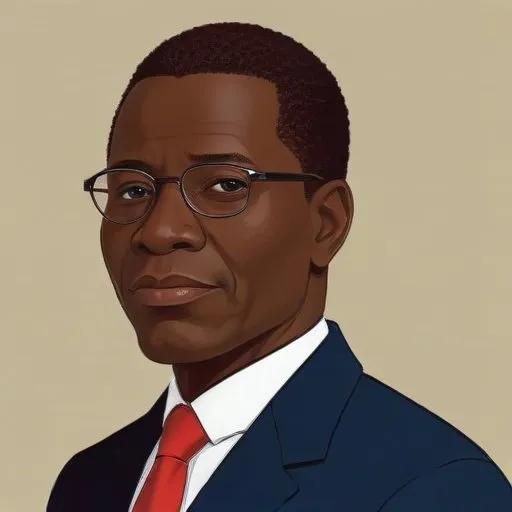
Edwin Barclay: The Patriotic Poet-President of Liberia
A Legacy of Leadership and Cultural Pride
Edwin Barclay, the 18th President of Liberia, is most notably recognized for his unwavering dedication to his country's progress and his remarkable gift for poetry and music. During his tenure from 1930 to 1944, Barclay played a pivotal role in navigating Liberia through the tumultuous years of World War II, solidifying the nation's alliance with the United States.
Early Life and Inspirations
Born on January 5, 1882, to a family of Barbadian immigrants, Edwin Barclay's upbringing was deeply rooted in Liberian culture with an English base. His paternal grandparents moved to Liberia in 1865, joining the minority of Caribbean immigrants who shared a history and cultural heritage with the Americo-Liberians. Barclay's father, Ernest, and uncle, Arthur, were prominent politicians in Liberia, sparking Edwin's interest in politics from a young age.
Rise to Prominence
Before assuming the presidency, Barclay served as Secretary of State from 1920 to 1930 under President Charles D. B. King. During this period, he penned the iconic Liberian patriotic song, "The Lone Star Forever," in 1901, at just 19 years old. This resonant anthem reflected Barclay's deep love for his country and foreshadowed his future leadership.
Presidency and Key Achievements
Upon assuming the presidency in 1930, Barclay's first official decision was to repeal the restrictive Port of Entry Law of 1864, paving the way for increased foreign investment and economic growth. He then negotiated concession agreements with Dutch, Danish, German, and Polish investors, further expanding Liberia's economic landscape.
- Under Barclay's leadership, Liberia allied with the United States during World War II, marking a significant shift in the nation's global relations.
- He actively promoted education, agriculture, and infrastructure development, aiming to modernize Liberia and enhance the quality of life for its citizens.
A Cultural Renaissance
As a gifted poet and musician, Barclay's artistic talents greatly enriched Liberia's cultural heritage. He composed several renowned songs, including "The Lone Star Forever," which became an anthem for national pride. His literary works often conveyed themes of patriotism, unity, and social progress, inspiring a new generation of Liberian artists and intellectuals.
Personal Life and Legacy
Barclay's personal life was marked by strong family bonds and a commitment to fostering future leaders. He married Euphemia and had three children: Mary, Siata Isabel, and Earnest. The Barclays also fostered future Liberian Ambassador to the U.S., George Arthur Padmore.
A Lasting Impact
Edwin Barclay's remarkable legacy extends beyond his presidency. He played a crucial role in shaping Liberia's modern identity, fostering economic growth, and promoting cultural pride. As a testament to his enduring influence, Barclay's name remains synonymous with Liberian patriotism, leadership, and artistic expression.
FAQ
What was Edwin Barclays role in Liberian politics?
Edwin Barclay served as the 18th president of Liberia from 1930 to 1944, leading the country through a period of economic development and modernization.
What were Barclays economic policies?
Edwin Barclay implemented policies aimed at stimulating economic growth, including the development of infrastructure, agriculture, and industry. He also sought to reduce foreign dependence and promote Liberian entrepreneurship.
What was Barclays relationship with the United States?
Edwin Barclay maintained close ties with the United States, which had historically played a significant role in Liberias development. He sought American investment and technical assistance to support Liberias modernization efforts.
What was Barclays stance on slavery and forced labor?
Edwin Barclay was a strong opponent of slavery and forced labor, and he took steps to eradicate these practices in Liberia. He also worked to improve labor conditions and promote worker rights.
What is Barclays legacy in Liberia?
Edwin Barclays legacy in Liberia is that of a visionary leader who worked to modernize and develop the country, while also promoting social justice and human rights.