


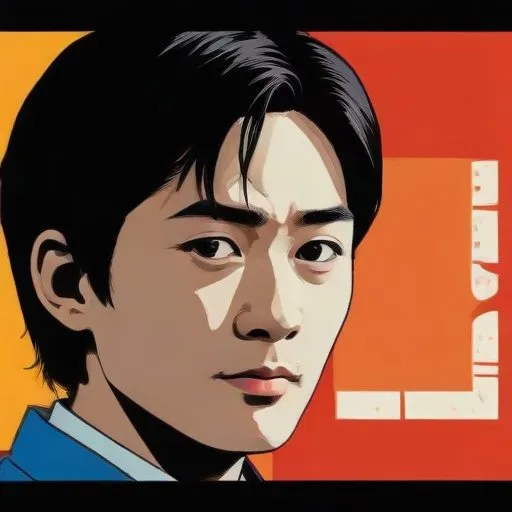
A renowned Japanese historical novelist, best known for his meticulously researched and engagingly written works that brought ancient Japan to life, particularly his epic novel "Musashi".
Eiji Yoshikawa, a celebrated Japanese historical novelist, is best known for his masterful revisions of classic novels, making them accessible to a wider audience. With a unique writing style that blended traditional and modern elements, Yoshikawa's works have become an integral part of Japanese literary culture.
Born Hidetsugu Yoshikawa on August 11, 1892, in Kanagawa Prefecture, Japan, Yoshikawa's early life was marked by hardship. Due to his father's failed business, he was forced to drop out of primary school to work. However, this challenging start did not deter him from pursuing his passion for writing.
At the age of 18, Yoshikawa moved to Tokyo and became an apprentice in a gold lacquer workshop. It was during this time that he developed an interest in comic haiku, a traditional form of Japanese poetry. He joined a poetry society and began writing under the pseudonym Kijiro.
Yoshikawa's big break came in 1914 when he won first prize in a novel-writing contest sponsored by Kodansha, a prominent Japanese publisher, with his work "The Tale of Enoshima". This recognition led to him joining the newspaper Maiyu Shimbun in 1921, where he began publishing serializations of his works.
His writing career flourished in the following years, with publications in various periodicals published by Kodansha. One of his most notable works is the revision of "Taiko", an epic novel that he condensed from 15 volumes to just two, making it more accessible to readers.
Yoshikawa's contributions to Japanese literature are immense. His unique approach to historical novels brought ancient classics to life, making them relatable to modern audiences. His works not only preserved Japan's rich cultural heritage but also inspired a new generation of writers and readers.
He was awarded the Cultural Order of Merit in 1960, the highest honor for a man of letters in Japan, followed by the Order of the Sacred Treasure and the Mainichi Art Award in 1962, just before his passing.
In 1923, Yoshikawa married Yasu Akazawa, and the couple's experiences during the Great Kanto Earthquake that same year strengthened his resolve to make writing his career.
Eiji Yoshikawa passed away on September 7, 1962, but his legacy lives on. He is revered as one of Japan's greatest historical novelists, and his works continue to captivate readers and inspire writers to this day.
Through his remarkable body of work, Eiji Yoshikawa has left an indelible mark on Japanese literature, making him a cherished figure in the country's cultural landscape.
Born in 1904
A Japanese novelist and playwright, known for his works that often explored the human condition, particularly in the context of post-WWII Japan. His writing style blended elements of realism and romanticism.
Born in 1886
A celebrated author of novels and essays that explore the intersection of Japanese culture and Western modernity, known for his lyrical prose and nuanced explorations of identity.
