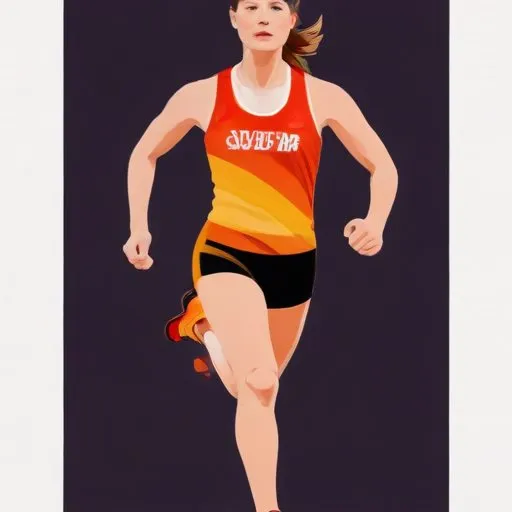
Elfriede Wever: The Trailblazing German Runner of the 1920s
A Pioneer in Women's Athletics
Elfriede Wever, later known as Senden, was a groundbreaking German athlete who made her mark in the world of track and field during the 1920s. She is most notably recognized for being one of the first women to compete in the 800-meter event at the Olympic Games.
Early Life and Career
Born on July 6, 1900, in Germany, Elfriede Wever's early life and career remain somewhat shrouded in mystery. However, it is known that she was an exceptional athlete from a young age, with a passion for running that would eventually propel her to the global stage.
Olympic Debut and International Recognition
Wever's most significant achievement came when she participated in the 1928 Summer Olympics in Amsterdam, Netherlands. She was one of the pioneering female athletes to compete in the 800-meter event, which was introduced as a women's Olympic event for the first time. Although she finished in ninth place, her participation marked a significant milestone in the history of women's athletics.
Breaking Barriers and Paving the Way
Elfriede Wever's Olympic appearance not only showcased her impressive athletic prowess but also played a crucial role in challenging traditional gender norms and stereotypes. Her presence helped to pave the way for future generations of female athletes, inspiring them to pursue their passions and push the boundaries of what was thought possible.
A Lasting Legacy
Wever's contributions to the world of athletics extend far beyond her Olympic appearance. Her courage and determination have inspired countless women to take up the sport, and her legacy continues to be felt today. Although her life was cut short when she passed away on November 30, 1941, her impact on the world of athletics will never be forgotten.
Trivia and Fun Facts
- Elfriede Wever was one of the first German female athletes to compete in the Olympic Games.
- She was a trailblazer in women's track and field, helping to popularize the sport among women in Germany and beyond.
- Wever's Olympic appearance marked a significant shift in the perception of women's athletics, challenging traditional gender stereotypes and paving the way for future generations of female athletes.
Remembering Elfriede Wever
Elfriede Wever's remarkable story serves as a testament to the power of determination, courage, and perseverance. As we look back on her achievements, we are reminded of the profound impact she had on the world of athletics and the countless lives she touched. Her legacy continues to inspire and motivate, ensuring that her memory will live on for generations to come.
FAQ
What is Elfriede Wevers notable achievement in athletics?
Elfriede Wever is a German Olympic runner who represented her country in the 1936 Summer Olympics in Berlin, competing in the womens 100 meters and 4x100 meters relay events.
How did Elfriede Wevers athletic career evolve over time?
Elfriede Wevers athletic career spanned several years, during which she participated in numerous national and international competitions. Her Olympic appearance marked a highlight of her career, showcasing her talent on the global stage.
What was Elfriede Wevers training regimen like?
Elfriede Wevers training regimen was rigorous and demanding, as she focused on building her speed, strength, and endurance. Her dedication to training enabled her to compete at the highest level.
Did Elfriede Wever receive any awards for her athletic achievements?
Yes, Elfriede Wever received recognition for her athletic achievements, including awards and accolades from the German Athletics Federation and other governing bodies.
How did Elfriede Wevers Olympic experience influence her life?
Elfriede Wevers Olympic experience had a profound impact on her life, as it provided her with a sense of pride, accomplishment, and exposure to international competition. Her Olympic appearance paved the way for future generations of female athletes.