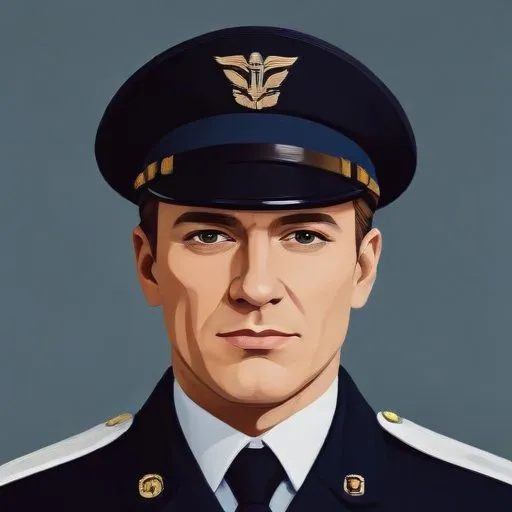
Eli Beeding: The Pioneering Rocket Test Subject
A Trailblazer in the Study of Human G-Force Tolerance
Eli Beeding, a U.S. Air Force captain, etched his name in the annals of history by withstanding an unprecedented 82.6 g-forces in a rocket sled experiment, surpassing the previous record held by Colonel John Stapp. This remarkable feat, achieved on May 16, 1958, at Holloman Air Force Base, cemented Beeding's status as a pioneering figure in the study of human g-force tolerance.
Early Life and Military Career
Born on December 17, 1928, Eli Lackland Beeding Jr. embarked on a military career that would take him to the forefront of aeromedical research. As a captain in the U.S. Air Force, Beeding was part of a team led by Colonel John Stapp, a renowned physician and researcher, who was instrumental in understanding the effects of high g-forces on the human body.
The Daisy Sled Experiments
In 1958, Beeding participated in a series of experiments using the Daisy Sled, a rocket-powered sled designed to test human tolerance to extreme g-forces. The sled, originally intended to be air-powered, was modified to use rocket propulsion, allowing researchers to push the limits of human endurance. Beeding's bravery and commitment to the scientific pursuit led him to ride the sled at incredible speeds, often in unusual positions, including head-first.
The Record-Breaking Ride
On that fateful day in May 1958, Beeding prepared to undertake a 40 g-run, unaware that he would soon shatter the existing record. The Daisy Sled accelerated to a staggering 632 mph before decelerating in a mere fraction of a second, subjecting Beeding to an astonishing 82.6 g-forces. The experience, likened to being hit on the back with a baseball bat, left Beeding momentarily incapacitated and struggling to breathe.
Medical Crisis and Recovery
The intense deceleration triggered a medical emergency, as Beeding began to experience tunnel vision and lost consciousness. Flight surgeon Captain Les Eason and Tech. Sergeant Roy Gatewood made a critical decision to elevate Beeding's feet, despite the risk of exacerbating a potential spinal injury. Miraculously, Beeding recovered from the ordeal, albeit with a badly bruised back.
Legacy and Impact
Beeding's remarkable achievement paved the way for further research into human g-force tolerance, contributing significantly to the advancement of aeromedical science. His courage and willingness to push the boundaries of human endurance earned him recognition as the man who topped Colonel Stapp's g-force record. Beeding's legacy continues to inspire researchers, engineers, and pilots, shaping the course of aerospace medicine and safety protocols.
Personal Milestones and Key Life Events
- December 17, 1928: Born in the United States
- 1958: Participated in the Daisy Sled experiments at Holloman Air Force Base
- May 16, 1958: Withstood 82.6 g-forces, setting a new record for human g-force tolerance
- December 21, 2013: Passed away, leaving behind a legacy in aeromedical research
Philosophical Contributions and Beliefs
While Beeding's work was primarily focused on the scientific aspects of g-force tolerance, his bravery and dedication to the pursuit of knowledge demonstrate a profound commitment to advancing human understanding. His willingness to push the limits of human endurance embodies the spirit of exploration and discovery, inspiring future generations of scientists, engineers, and astronauts.
Historical Context and Legacy
Beeding's achievement occurred during a pivotal period in the history of aeromedical research, as the United States and the Soviet Union engaged in a space race that would define the course of human spaceflight. Beeding's contribution to this effort helped lay the groundwork for the development of safer and more efficient spacecraft, ultimately enabling humans to explore the cosmos. As a testament to his enduring legacy, Beeding's name remains synonymous with courage, innovation, and scientific progress.
FAQ
What was Eli Beedings role in the military?
Eli Beeding was a decorated military officer, serving as a captain in the United States Army during World War II.
What awards did Eli Beeding receive for his military service?
Eli Beeding received several awards for his military service, including the Purple Heart and the Bronze Star.
What was Eli Beedings role as a pilot?
Eli Beeding was a skilled pilot, flying missions during World War II and later working as a commercial pilot.
What was Eli Beedings involvement in the development of commercial aviation?
Eli Beedings work as a commercial pilot contributed to the growth and development of commercial aviation, helping to establish the industry as we know it today.
How did Eli Beeding influence the development of aviation?
Eli Beedings work as a pilot and his contributions to the development of commercial aviation had a lasting impact on the industry, shaping the direction of aviation for generations to come.