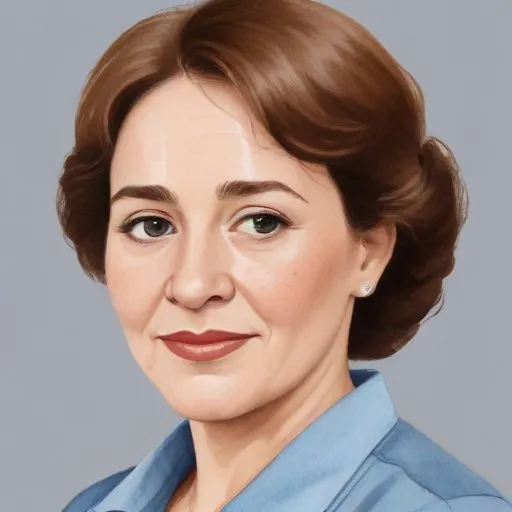
Elizabeth Foreman Lewis: The Pioneering Children's Writer
A Legacy of Imagination and Inspiration
Elizabeth Foreman Lewis was a renowned American children's writer, best known for her captivating stories that transported young readers to far-off lands and ignited their imagination. Her literary contributions earned her the prestigious Newbery Award and the
Lewis Carroll Shelf Award, solidifying her place among the most celebrated children's authors of her time.
A Childhood Steeped in Literature and Values
Born on May 24, 1892, in Baltimore, Maryland, Elizabeth Foreman grew up in a family that cherished books, country life, and good food. Her childhood was filled with colorful stories, witty sayings, and hearty laughter, which later influenced her writing style. Her family's emphasis on proverbs and wise sayings also played a significant role in shaping her life. She often credited the phrase "If worth doing at all, it is worth doing well" as a driving force behind her dedication to her craft.
A Path of Service and Education
Before becoming a writer, Elizabeth studied art at the Maryland Institute of Fine Arts from 1909 to 1910. She then attended a secretarial school in Baltimore from 1916 to 1917, preparing herself for missionary work in China. Her religious instruction at the Bible Seminary in New York in 1917 further equipped her for the challenges ahead.
A Life of Missionary Work and Teaching
In 1917, Elizabeth traveled to China as a Methodist missionary and teacher, serving as the associate mission treasurer for the Women's Foreign Missionary Society in Shanghai. Over the next two years, she taught in schools in Nanjing and supervised schools in Chongqing. During this period, she met her future husband,
John Abraham Lewis, also a Methodist missionary. They married in 1921 and had one son, John Fulton Lewis, who would later become a newspaper editor and author.
A Writing Career Forged in Experience
After leaving China due to illness, Elizabeth began to channel her experiences into writing. Her stories drew heavily from her time in China, infusing her work with a unique cultural sensitivity and depth. Her writing career was marked by a commitment to crafting stories that would inspire and educate young minds.
Awards and Recognition
Elizabeth Foreman Lewis's contributions to children's literature were recognized with the Newbery Award and the Lewis Carroll Shelf Award. These prestigious honors cemented her reputation as a master storyteller and a pioneer in her field.
Legacy and Impact
Elizabeth Foreman Lewis's writing continues to captivate readers of all ages with its imaginative storytelling, cultural sensitivity, and emphasis on values. Her life's work serves as a testament to the power of literature to inspire and educate, leaving a lasting impact on the world of children's literature.
Remembering Elizabeth Foreman Lewis
- Born: May 24, 1892, Baltimore, Maryland
- Died: August 7, 1958
- Notable works: Too numerous to mention, but her stories continue to enchant readers to this day
- Awards: Newbery Award, Lewis Carroll Shelf Award
Elizabeth Foreman Lewis's remarkable life and literary legacy continue to inspire generations of readers, writers, and educators, ensuring her place as one of the most beloved and respected children's writers of all time.
FAQ
What was Elizabeth Foreman Lewiss contribution to childrens literature?
Elizabeth Foreman Lewis was an American author and educator who wrote several childrens books, including The Road to the Riverside and The Hen and the Biddlebicke, which promoted moral values and character development.
What was Elizabeth Foreman Lewiss educational background?
Elizabeth Foreman Lewis studied at Wellesley College and Columbia University, earning degrees in literature and education.
What themes did Elizabeth Foreman Lewiss books explore?
Elizabeth Foreman Lewiss books explored themes of friendship, kindness, and personal growth, often using animal characters to convey moral lessons.
What awards did Elizabeth Foreman Lewis receive?
Elizabeth Foreman Lewis received several awards and honors for her contributions to childrens literature, including the Newbery Honor Award.
What was Elizabeth Foreman Lewiss teaching experience?
Elizabeth Foreman Lewis taught at several schools and colleges, including Wellesley College and Columbia University, sharing her passion for literature and education with students.