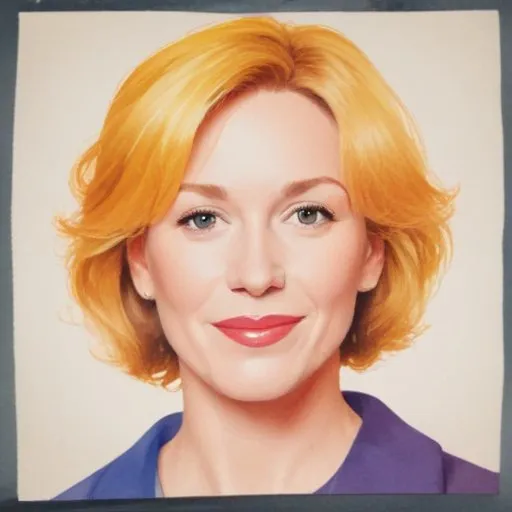
Elizabeth Murray: The Visionary Artist Who Redefined Canvas Boundaries
A Pioneering Spirit in the World of Art
Elizabeth Murray was a trailblazing American painter, printmaker, and draughtsman, renowned for her innovative use of shaped canvases. Her remarkable works, characterized by vibrant colors, abstract shapes, and dynamic compositions, have left an indelible mark on the art world.
Early Life and Inspirations
Born on September 6, 1940, in Chicago, Illinois, to Irish-Catholic parents, Murray's artistic inclinations were nurtured from a young age. Her mother, an aspiring commercial artist, encouraged her to paint, while her father, a lawyer, supported her creative pursuits. Under the guidance of her high school art teacher, Murray entered the School of the Art Institute of Chicago in 1958, where she earned her BFA in 1962. She further honed her skills at Mills College, earning her MFA degree in 1964.
Career Highlights and Breakthroughs
Murray's artistic journey began as a teacher at Daemen College from 1965 to 1967. In 1967, she moved to New York City, where she became an integral part of the vibrant art scene. Her first exhibition in 1971 at the Whitney Museum of American Art Annual Exhibition marked the beginning of her remarkable career. One of her earliest mature works, "Children Meeting" (1978), a stunning oil on canvas painting, is now part of the Whitney Museum's permanent collection.
Shaped Canvases: A Revolutionary Technique
Murray's most distinctive contribution to the art world is her pioneering use of shaped canvases. Works like "Falling" (1976), now part of the Pérez Art Museum Miami's collection, showcase her innovative approach to canvas manipulation. By breaking free from traditional rectangular formats, Murray created dynamic, three-dimensional pieces that redefine the boundaries of painting.
Awards and Honors
Murray's contributions to the art world have been recognized with numerous awards and honors. In 1998, she was elected a Fellow of the American Academy of Arts and Sciences. The following year, she received a MacArthur Fellowship, which enabled her to open the Bowery Poetry Club, a performance arts venue in Lower East Side, New York City.
Philosophical Contributions and Beliefs
Murray's artistic philosophy was deeply rooted in her fascination with human emotions, relationships, and the intricacies of everyday life. Her work embodies a sense of vulnerability, playfulness, and introspection, inviting viewers to engage with the emotional depth of her subjects.
Legacy and Impact
Elizabeth Murray's remarkable body of work has left an indelible mark on the art world. Her innovative techniques, vibrant colors, and emotive compositions have inspired generations of artists, curators, and art enthusiasts alike. As a visionary artist, Murray's legacy continues to shape the contours of contemporary art, encouraging us to think beyond the boundaries of traditional canvas forms.
Personal Milestones and Key Life Events
- 1940: Born on September 6th in Chicago, Illinois
- 1958: Entered the School of the Art Institute of Chicago
- 1962: Earned BFA degree from the School of the Art Institute of Chicago
- 1964: Earned MFA degree from Mills College
- 1965-1967: Taught art at Daemen College
- 1967: Moved to New York City
- 1971: First exhibition at the Whitney Museum of American Art Annual Exhibition
- 1978: Created "Children Meeting" (now part of the Whitney Museum's permanent collection)
- 1998: Elected a Fellow of the American Academy of Arts and Sciences
- 1999: Received a MacArthur Fellowship
- 2007: Passed away on August 12th
FAQ
What is Elizabeth Murrays background in art?
Elizabeth Murray was an American painter and illustrator, known for her vibrant, abstract works that often incorporated elements of pop art and surrealism.
What is Elizabeth Murrays artistic style?
Elizabeth Murrays art often featured bold colors, geometric shapes, and biomorphic forms, blurring the boundaries between painting and sculpture.
What are some of Elizabeth Murrays notable works?
Elizabeth Murrays notable works include her series of Do the Dance paintings, as well as her illustrations for books and magazines.
Has Elizabeth Murray received any awards?
Elizabeth Murray was the first woman to receive the MacArthur Fellowship in 1981, among other awards and honors.
What is Elizabeth Murrays impact on contemporary art?
Elizabeth Murrays innovative style and approach to art have inspired generations of artists, expanding the possibilities of painting and challenging traditional notions of art.