


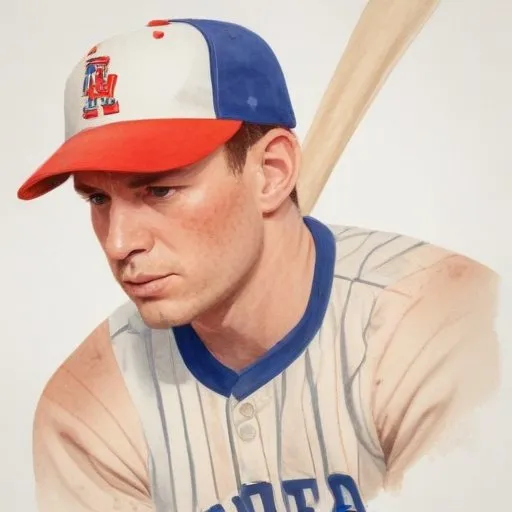
Hall of Fame right fielder known for his impressive batting average and speed on the basepaths, earning him the nickname "The Flying Dutchman".
Elmer Flick is revered as one of the greatest outfielders in Major League Baseball history, boasting an impressive .313 batting average, 164 triples, and 756 runs batted in (RBIs) over his 13-year career. Inducted into the Baseball Hall of Fame in 1963, Flick's remarkable speed, solid batting, and impressive stolen base record made him a formidable force on the field.
Born on January 11, 1876, in Bedford, Ohio, Flick was the third of five children to Zachary and Mary Flick. His father, a farmer and mechanic who had served in the American Civil War, instilled in Elmer a strong work ethic and passion for sports. Flick attended Bedford High School, where he excelled in baseball, football, wrestling, and boxing.
It was by chance that Flick entered semiprofessional baseball at just 15 years old. When the local team needed an extra player for a road trip, Flick stepped up and impressed with his batting skills, despite lacking a uniform and shoes. This chance encounter sparked a career that would take him to the pinnacle of professional baseball.
Flick began his Major League career in 1898 with the Philadelphia Phillies, where he quickly established himself as a starting outfielder. In 1900, he led the National League in RBIs, and in 1902, he jumped to the Philadelphia Athletics. However, a court injunction prevented him from playing in Pennsylvania, and he joined the Cleveland Bronchos (later known as the Naps), where he played for the remainder of his career.
Flick's impressive career statistics and accolades earned him a spot in the Baseball Hall of Fame in 1963. His speed, agility, and batting prowess set a high standard for future generations of outfielders. Despite playing in an era where home runs were less prevalent, Flick's 164 triples remain an impressive feat, showcasing his exceptional speed and aggressive base running.
Flick's influence can be seen in the modern game, where teams prioritize speed, defense, and contact hitting. His legacy serves as a testament to the importance of fundamental skills and smart base running in achieving success on the diamond.
Flick's playing career was curtailed by a stomach ailment, which forced his retirement in 1910. After baseball, he returned to Bedford, Ohio, where he lived a quiet life, passing away on January 9, 1971, at the age of 94.
In 1963, Flick was inducted into the Baseball Hall of Fame, a poignant recognition of his immense contribution to the sport. His legacy continues to inspire baseball enthusiasts and serve as a reminder of the importance of hard work, dedication, and passion in achieving greatness.
Elmer Flick's remarkable career and lasting impact on baseball cement his place as one of the greatest outfielders in the history of the game.
Born in 1886
A fierce and innovative baseball legend, known for his aggressive playing style and record-breaking batting average, who dominated the sport in the early 20th century.
Born in 1874
Legendary shortstop and one of the greatest players of the early 20th century, known for his impressive batting and fielding skills, earning him a spot in the National Baseball Hall of Fame.
Born in 1874
Hall of Fame second baseman and pioneering five-tool player who dominated the early 20th century with his impressive batting average and slick fielding.
Born in 1888
A Hall of Fame center fielder and manager who revolutionized the game with his defensive prowess and innovative strategies. He is widely regarded as one of the greatest players of all time.
Born in 1867
Legendary baseball pitcher and manager who won more games than any other player in history, earning him a prestigious award in his honor.
Born in 1918
A legendary baseball player who won 266 games and threw three no-hitters, later becoming a popular sportscaster, known for his fastball and charismatic personality.
Born in 1903
The "Iron Horse" was a dominant force in baseball, playing in a record 2,130 consecutive games, earning him the nickname for his durability and impressive career statistics. He's an iconic figure in American sports history.
Born in 1906
Hall of Fame shortstop and manager who led the Boston Red Sox to a pennant in 1946 and later became the American League president. He's known for his strong leadership and baseball acumen.
