


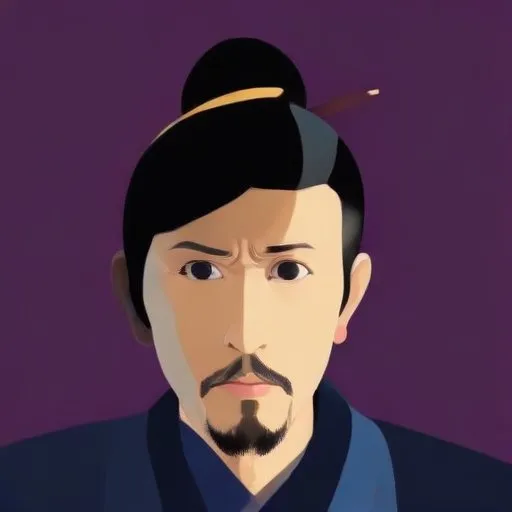
The 57th emperor of Japan, who reigned from 1232 to 1242, is known for his brief but tumultuous reign marked by power struggles and conflicts with the Kamakura shogunate. He is also remembered for his cultural achievements, particularly in poetry and calligraphy.
Known for being the 87th emperor of Japan, Emperor Shij is an important figure in Japanese history, reigning from 1232 to 1242. His short but significant reign was marked by youthful energy and a series of notable events that shaped the country's trajectory.
Emperor Shij was born as Mitsuhitoshinn, also known as Tosihitoshinn, and was the first son of Emperor Go-Horikawa. His mother, Consort Kuj Genshi, was the daughter of Kuj Norizane. Unfortunately, Emperor Shij did not have any children of his own, due to his untimely death at a young age.
Emperor Shij's reign began on October 26, 1232, after his father's abdication. He ascended to the throne at a young age, with the actual leadership held by his maternal relatives, Kuj Michiie and Saionji Kintsune. During his reign, Emperor Shij was involved in several significant events, including:
During Emperor Shij's reign, the Kugyō, a collective term for the most powerful men attached to the imperial court, played a significant role in governing the country. The Kugyō was a group of hereditary courtiers who held great influence and experience. During Emperor Shij's reign, the apex of the Daijō-kan, the highest organ of Japan's imperial government, included:
Despite his short reign, Emperor Shij's legacy continues to be felt in Japanese history. His youth and inexperience led to his maternal relatives holding significant power, but his reign also marked a period of transition and growth for Japan. Today, Emperor Shij is remembered as an important figure in Japan's imperial history, and his story continues to fascinate and inspire.
Born in 1220
The 127th emperor of Japan, who ruled from 1242 to 1246, is known for his brief reign and his role in the Imperial Court's struggles for power during the Kamakura period. He's also remembered for his poetry and patronage of the arts.
Born in 1288
The 93rd emperor of Japan, ruling from 1298 to 1301, known for his brief but significant reign that marked the beginning of the Northern Court, a period of divided imperial courts in Japan.
Born in 1702
The 18th emperor of Japan, ruling from 1709 to 1745, known for his cultural achievements, particularly in poetry and calligraphy. He also reformed the imperial court and promoted Confucianism.
