


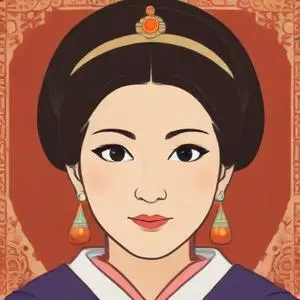
The wife of Japan's reigning monarch, supporting her husband in ceremonial and diplomatic duties while also advocating for women's empowerment and education. She's the first commoner to marry into the Japanese imperial family.
Empress Masako is known for being the first commoner to marry into the Japanese imperial family, becoming the Empress of Japan in 2019. As the wife of Emperor Naruhito, she brings a unique blend of modernity, intelligence, and diplomacy to the traditional monarchical institution.
Masako Owada was born on December 9, 1963, at Toranomon Hospital in Tokyo to Yumiko Egashira and Hisashi Owada, a senior diplomat and former president of the International Court of Justice. Her early life was marked by international experience, living in Moscow with her family from age two to five, where she attended a local kindergarten.
Returning to Japan, Masako attended Belmont High School in Massachusetts for a brief period before enrolling in Harvard College, where she earned a Bachelor of Arts degree in Economics magna cum laude. She then pursued further studies in law at the University of Tokyo and international relations at Balliol College, Oxford.
Masako met Crown Prince Naruhito in 1986, and the couple married in 1993. Prior to her royal duties, she worked as a diplomat at Japan's Ministry of Foreign Affairs, utilizing her exceptional language skills and international experience.
As Crown Princess, Masako accompanied her husband on official visits to foreign countries, fostering diplomatic relationships and promoting cultural exchange. Her diplomatic prowess and linguistic abilities have been instrumental in strengthening Japan's ties with other nations.
In 2001, Masako gave birth to their only child, Aiko, Princess Toshi. However, the birth sparked controversy regarding the Japanese imperial succession debate, which sparked discussions about rescinding agnatic primogeniture imposed by World War II allies on the Japanese constitution.
The pressure to produce a male heir affected Masako's health, leading to a diagnosis of adjustment disorder in 2004, which forced her to withdraw from public life periodically. Despite these challenges, she has remained committed to her royal duties and continues to be an inspiration to many.
As Empress, Masako has leveraged her unique background and skills to promote cultural understanding, education, and environmental conservation. She has been an outspoken advocate for women's empowerment, supporting initiatives that promote gender equality and social welfare.
Her presidency of the Japanese Red Cross Society and honorary presidency of the Japan Cricket Association reflect her dedication to humanitarian causes and promoting cultural exchange.
Empress Masako's remarkable journey has redefined the role of women in the Japanese monarchy, offering a fresh perspective on traditional expectations. Her commitment to diplomacy, education, and environmental stewardship has inspired a new generation of leaders and citizens.
As Japan looks to the future, Empress Masako's influence will be instrumental in shaping the country's global presence, cultural identity, and social values, cementing her legacy as a beacon of modernity and progress.
