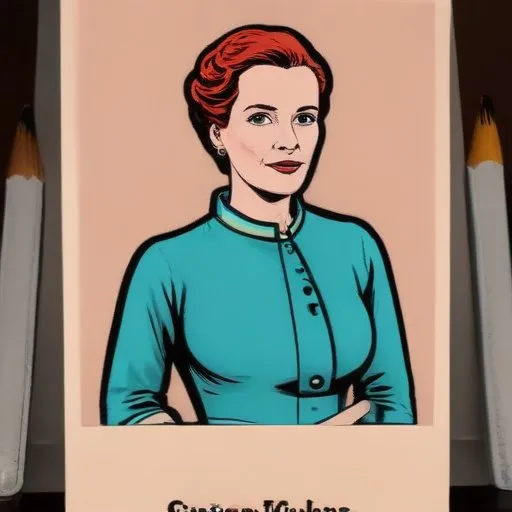
Ernestine von Kirchsberg: The Austrian Landscape Painter Who Captivated the World
A Life Dedicated to Art
Ernestine von Kirchsberg was a renowned Austrian landscape painter, known for her breathtaking atmospheric landscapes that transported viewers to the rolling hills and majestic mountains of her native land. Born on August 12, 1857, in Verona, Austrian Empire, Kirchsberg's artistic journey spanned over four decades, leaving an indelible mark on the world of art.
Early Beginnings
Kirchsberg's artistic inclinations were nurtured from a young age. In 1873, she began taking art lessons at the Landschaftliche Zeichenakademie (Landscape Drawing Academy) in Graz, where she was mentored by Hermann von Knigsbrunn. This marked the beginning of her formal training, which would eventually take her to the esteemed Academy of Fine Arts, Vienna.
The Vienna Years
At the Academy of Fine Arts, Vienna, Kirchsberg honed her skills under the guidance of esteemed artists such as Eduard Peithner von Lichtenfels, August Schaeffer, and Hugo Darnaut. Darnaut's atmospheric school of landscape painting, known as Stimmungsimpressionismus, had a profound impact on Kirchsberg's style, which would later become a hallmark of her work.
Rise to Prominence
Kirchsberg's debut exhibition at the Vienna Knstlerhaus (Vienna Artists' House) marked the beginning of her rise to prominence. Her work was met with critical acclaim, and she soon became a sought-after artist in Vienna. During this period, she befriended fellow artists Marie Egner and Alfred Zoff, with whom she would later collaborate in Munich.
Munich and Beyond
In Munich, Kirchsberg completed her apprenticeship with Adalbert Waagen, a student of Albert Zimmermann. This period saw her experiment with watercolors, a medium in which she would excel and gain recognition. Her work was showcased in various exhibitions across Europe, including Berlin, Prague, and Graz.
Awards and Accolades
Kirchsberg's talent was recognized internationally when she was awarded a prize at the 1893 World's Columbian Exposition in Chicago. This prestigious recognition cemented her position as a leading figure in Austrian landscape painting.
Legacy
Ernestine von Kirchsberg's life was a testament to her dedication to art. Her captivating landscapes continue to inspire and delight audiences today. She passed away on October 8, 1924, in Graz, Austria, leaving behind a legacy that transcends time and borders.
Additional Resources
- Austrian Academy of Sciences, Vienna (1965). Österreichisches Biographisches Lexikon 1815-1950 (BL). Vol. 3, p. 342.
- Manfred Srna Ed. (2009). Kunsthandel, Gesamtkatalog der Gemälde, Aquarelle und Zeichnungen, Österreichische Gemälde des 19. und 20. Jh. Graz. ISBN 9783200017092.
Image Gallery
Ernestine von Kirchsberg's works can be found in various public and private collections. Her paintings continue to mesmerize art enthusiasts and inspire new generations of artists.
Media related to Ernestine von Kirchsberg at Wikimedia Commons
ArtNet: Discover more works by Kirchsberg
FAQ
What was Ernestine von Kirchsbergs contribution to art education?
Ernestine von Kirchsberg was an Austrian painter and educator who made significant contributions to art education. She established the first art school for women in Austria and advocated for womens rights in the arts.
What style of painting did Ernestine von Kirchsberg practice?
Ernestine von Kirchsberg was a landscape and genre painter who worked primarily in the Realist style. Her paintings often depicted everyday life and rural landscapes.
How did Ernestine von Kirchsberg promote womens rights in art?
Ernestine von Kirchsberg was a pioneer in promoting womens rights in art education. She established the first art school for women in Austria, providing women with access to artistic training and opportunities.
What was Ernestine von Kirchsbergs relationship with the Vienna Secession movement?
Ernestine von Kirchsberg was associated with the Vienna Secession movement, a group of artists who sought to break away from traditional academic art. Her work was influenced by this movement, and she exhibited with them.
How did Ernestine von Kirchsbergs art reflect her social and cultural context?
Ernestine von Kirchsbergs art reflected her social and cultural context, which was marked by rapid modernization and social change. Her paintings often depicted the tensions between traditional rural life and emerging urban modernity.