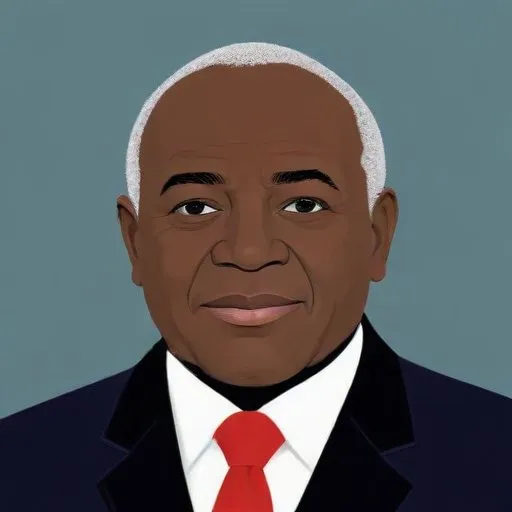
Errol Barrow: The Visionary Leader Who Shaped Barbados' Independence
A Legacy of Freedom and Progress
Errol Walton Barrow, affectionately known as the "Father of Independence" in Barbados, is renowned for his instrumental role in leading the island nation to independence from British colonial rule in 1966. As the first prime minister of Barbados, Barrow's visionary leadership and unwavering commitment to social justice and economic development have left an indelible mark on the country's history.
Early Life and Formative Years
Born on January 21, 1920, in Saint Lucy, Barbados, Errol Barrow was the fourth of five children to Reverend Reginald Grant Barrow and Ruth Albertha Barrow (née O'Neal). His father, a vocal advocate for social justice, was a priest and headmaster of the Alleyne School, who often found himself at odds with the island's ruling class and church hierarchy. This upbringing instilled in Barrow a strong sense of social responsibility and a desire to challenge the status quo.
Education and Military Service
Barrow pursued his secondary education at Combermere School and later attended Howard University in Washington, D.C., where he earned a degree in economics. During World War II, he joined the Royal Air Force (RAF) and served as a navigator and bombardier, earning the prestigious Distinguished Flying Cross for his bravery.
Political Career and Rise to Prominence
After the war, Barrow returned to Barbados and entered politics, joining the Barbados Labour Party (BLP). He quickly rose through the ranks, becoming the party's leader in 1955. Barrow's charismatic leadership and populist appeal resonated with the masses, as he championed the causes of workers' rights, social justice, and independence from British rule.
Prime Minister and Architect of Independence
In 1961, Barrow became the chief minister of Barbados, and in 1966, he led the country to independence, becoming its first prime minister. Under his leadership, Barbados experienced significant economic growth, infrastructural development, and social reforms, earning him widespread admiration and respect.
Philosophical Contributions and Beliefs
Barrow's political philosophy was deeply rooted in his Christian faith and his commitment to social justice. He believed in the inherent dignity and worth of all individuals, regardless of race, class, or creed. His leadership style was characterized by a strong sense of compassion, empathy, and a willingness to listen to the concerns of the people.
Influence on Modern Society
Errol Barrow's legacy extends far beyond his own country's borders. He inspired a generation of Caribbean leaders to strive for independence and self-determination. His vision of a unified Caribbean community paved the way for the establishment of the Caribbean Community and Common Market (CARICOM).
Personal Milestones and Key Life Events
- 1942: Joined the Royal Air Force (RAF) during World War II
- 1955: Became the leader of the Barbados Labour Party (BLP)
- 1961: Became the chief minister of Barbados
- 1966: Led Barbados to independence, becoming its first prime minister
- 1987: Passed away on June 1, leaving behind a legacy of service and dedication to his country
Quotes and Memorable Sayings
- "We are not merely fighting for independence, we are fighting for the right to shape our own destiny."
- "The struggle for freedom is not a struggle for the few, but a struggle for the many."
Historical Context and Legacy
Errol Barrow's life and work are a testament to the power of vision, courage, and perseverance. As a pioneer in the fight for independence, he inspired a nation to stand tall and proud, forging a path that has inspired generations to come. His legacy continues to shape the course of Barbadian history, serving as a beacon of hope and freedom for the Caribbean region and beyond.
FAQ
What was Errol Barrows role in Barbados independence?
Errol Barrow was the first Prime Minister of Barbados, serving from 1966 to 1976, and played a crucial role in the countrys transition to independence from British rule.
What were Errol Barrows contributions to Barbadian politics?
Errol Barrow was a key figure in Barbadian politics, serving as a member of parliament from 1951 to 1987. He was a strong advocate for social and economic justice, and his leadership played a significant role in shaping the countrys development.
What was Errol Barrows stance on economic development?
Errol Barrow believed in the importance of economic development and diversification, and his government implemented policies to promote tourism, manufacturing, and agriculture, leading to significant growth and modernization of the Barbadian economy.
What recognition did Errol Barrow receive for his service?
Errol Barrow was awarded the Order of the Caribbean Community (OCC) in 1987, and in 1998, he was posthumously awarded the Order of National Heroes, the highest honor in Barbados.
What is Errol Barrows legacy in Barbados?
Errol Barrows legacy in Barbados is that of a champion of independence, democracy, and economic development. He is revered as a national hero and continues to inspire future generations of Barbadians.