


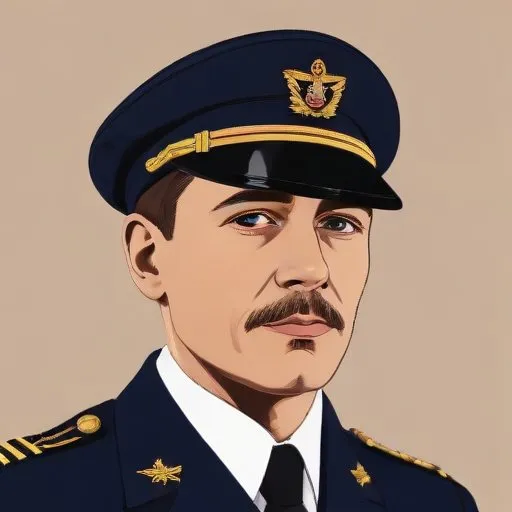
A Royal Navy lieutenant and pilot who received the Victoria Cross for his bravery during the Channel Dash, a daring WWII operation to attack German warships. He's remembered for his selfless act of valor in the face of overwhelming odds.
Eugene Esmonde, a distinguished Irish pilot in the Fleet Air Arm, etched his name in history by earning the Victoria Cross, the highest award for gallantry in the face of the enemy awarded to members of Commonwealth forces. His bravery was demonstrated during World War II, specifically in the action known as Operation Fuller, also referred to as the Channel Dash.
Born on March 1, 1909, in Thurgoland, Yorkshire, near Barnsley, Esmonde was the son of Dr. John Joseph Esmonde, an Irish Catholic and former Irish MP, who was in general practice in Yorkshire. His mother, Eily O'Sullivan, was his father's second wife. Esmonde had six natural siblings, including a twin brother, and six half-siblings from his father's first marriage.
The family returned to their ancestral home in Drominagh, County Tipperary, Ireland, after his father's death in 1915. Esmonde was educated by the Jesuits, first at Wimbledon College in London and then at Clongowes Wood College in County Kildare, Ireland.
Esmonde was commissioned into the Royal Air Force (RAF) as a pilot officer on probation on December 28, 1928. During the early 1930s, he served in the RAF, eventually transferring to the Fleet Air Arm in 1939. In 1940, he was promoted to the rank of lieutenant commander.
On February 12, 1942, Esmonde led a squadron of six Fairey Swordfish torpedo bombers in Operation Fuller, an attempt to attack the German battleships Scharnhorst, Gneisenau, and Prinz Eugen as they sailed through the English Channel. Despite being vastly outnumbered and outgunned, Esmonde and his crew pressed on, knowing the odds were against them. Esmonde's aircraft was heavily damaged, and he was eventually shot down, but not before he had released his torpedo. Unfortunately, all six Swordfish aircraft were lost, and Esmonde was killed in action.
For his gallant leadership and selfless devotion to duty, Esmonde was posthumously awarded the Victoria Cross, the highest honor for bravery in the face of the enemy.
Eugene Esmonde's heroic actions and sacrifice have been remembered and honored in various ways. A memorial plaque was unveiled at the Ulster Memorial Tower in Thiepval, France, and a Swordfish aircraft was preserved and displayed at the Fleet Air Arm Museum in Yeovilton, Somerset.
Additionally, the Irish government honored Esmonde's bravery by issuing a commemorative stamp in 1992, marking the 50th anniversary of his heroic action.
Eugene Esmonde's bravery and sacrifice will continue to inspire generations to come, serving as a reminder of the ultimate sacrifice made by those who have served in the armed forces.
Born in 1871
Prolific writer of historical novels and adventure stories, also a talented landscape painter.
Born in 1869
The Prime Minister who infamously appeased Nazi Germany with the Munich Agreement, hoping to avoid war, but ultimately contributing to its outbreak. He's a symbol of failed diplomacy and naivety in the face of aggression.
Born in 1893
A high-ranking Nazi official, he was a decorated World War I fighter pilot and later became a prominent politician, serving as Minister President of Prussia. He's infamous for his role in the Nazi regime and war crimes trials.
