


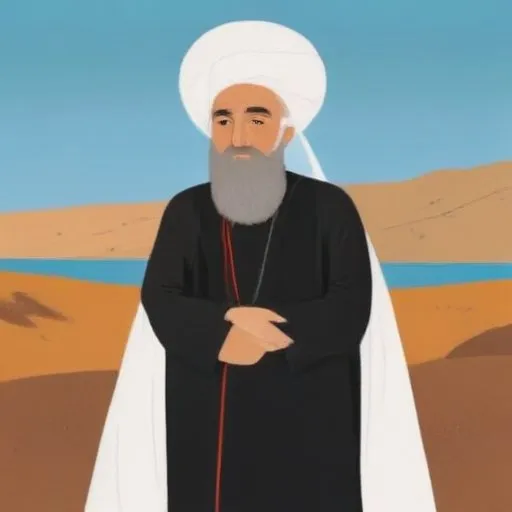
A 17th-century Lebanese ruler who unified the region, fought off Ottoman invasions, and promoted Christianity, leaving a lasting legacy in Middle Eastern politics and culture.
FakhralDin II, also known as Fakhr-al-Din ibn Maan, was a powerful and influential Emir of Lebanon who ruled from 1590 to 1635. He is renowned for his courageous resistance against the Ottoman Empire, his diplomatic acumen, and his pivotal role in shaping the country's history.
FakhralDin II was born in 1572 in the Maan family, a prominent Druze clan in Lebanon. He was the son of Emir Qurqumaz, the ruler of the Chouf Mountains. FakhralDin's early life was marked by conflicts and power struggles within his family, which ultimately led to his ascension to the throne in 1590.
FakhralDin II is perhaps most famous for his valiant resistance against the Ottoman Empire, which had long dominated the region. He skillfully manipulated the rivalries between European powers, forging alliances with the Medici family in Tuscany and the French monarchy. This strategic diplomacy enabled him to maintain a level of autonomy and independence for Lebanon, despite being surrounded by powerful forces.

During his reign, FakhralDin II implemented several reforms, which stimulated economic growth and cultural development in Lebanon. He encouraged trade, particularly with Europe, and invested in infrastructure, such as the construction of roads, bridges, and public buildings. His patronage of the arts and architecture led to the creation of iconic landmarks, including the magnificent Deir el-Qamar palace.
FakhralDin II's personal life was marked by tragedy, including the loss of several family members and the capture of his son, Emir Melhem, by the Ottomans. Despite these challenges, he remained steadfast in his commitment to his people and his country. FakhralDin II's legacy is one of resilience, courage, and vision, inspiring generations of Lebanese leaders and citizens.
FakhralDin II's reign coincided with a period of significant global change, including the rise of European colonial powers and the decline of the Ottoman Empire. His leadership and diplomacy played a crucial role in shaping Lebanon's destiny, paving the way for the country's future independence and sovereignty.

FakhralDin II's leadership style and accomplishments can be compared to those of other prominent figures of the time, including the French king, Henry IV, and the Ottoman Sultan, Ahmed I. While they shared some similarities, FakhralDin II's unique blend of diplomacy, strategic alliance-building, and cultural patronage set him apart from his contemporaries.
FakhralDin II's enduring legacy continues to inspire Lebanese citizens, and his name is revered as a symbol of national pride and resistance. His remarkable story serves as a testament to the power of leadership, diplomacy, and cultural excellence, offering valuable lessons for leaders and citizens alike.
