


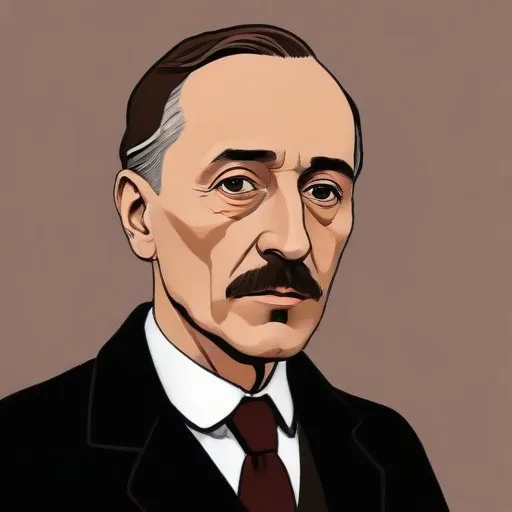
A Canadian thinker who explored the human condition through sociology, philosophy, and poetry, shedding light on Quebec's cultural identity and the complexities of modern life.
Fernand Dumont, a Canadian sociologist, philosopher, theologian, and poet, left an indelible mark on Quebec's cultural landscape. He is best known for his thought-provoking works that delved into the human condition, earning him the prestigious Governor General's Award for French-language nonfiction in 1968 for his book, Le lieu de l'homme.
Born on June 24, 1927, in Quebec, Canada, Dumont embarked on a lifelong journey of intellectual exploration. His passion for understanding human nature and society led him to pursue a career in sociology, philosophy, and theology. As a professor at Université Laval, he inspired generations of students with his unique perspective on the human experience.
Dumont's intellectual curiosity knew no bounds, and he made significant contributions to various fields. His philosophical inquiry into the nature of humanity and society led to the publication of several books, including Le lieu de l'homme, which explores the concept of humanism in modern society. As a poet, he crafted verses that reflected his deep understanding of human emotions and the complexities of life.
Throughout his career, Dumont's creative output was remarkable. He authored numerous books, articles, and poetry collections, cementing his reputation as a luminary of Quebec literature. His writing style, marked by lyricism and philosophical depth, continues to inspire readers and scholars alike.
Dumont's contributions to literature and philosophy were recognized with the Governor General's Award for French-language nonfiction in 1968. This prestigious honor acknowledged his groundbreaking work, Le lieu de l'homme, which remains a seminal text in Quebec's literary canon.
Fernand Dumont's impact on Quebec culture and society is immeasurable. His work continues to influence scholars, writers, and thinkers, inspiring new generations to explore the intricacies of human nature and society. As a testament to his enduring legacy, his intellectual contributions remain a vital part of Quebec's cultural heritage.
Fernand Dumont's life's work serves as a testament to the power of intellectual curiosity and creative expression. His contributions to Quebec literature, philosophy, and sociology continue to inspire and educate, ensuring his legacy as a polymath of Quebec culture.
Born in 1919
The charismatic leader who championed Canadian unity and implemented progressive policies, known for his iconic style and influential legacy in shaping modern Canada.
Born in 1922
A charismatic leader who championed Quebec's independence and shaped the province's distinct identity through his passionate politics and journalism. He's revered for his role in Quebec's Quiet Revolution.
Born in 1912
A Canadian lawyer and politician who served as the 11th Premier of Quebec, known for modernizing the province's economy and education system. He led the Quiet Revolution, a period of significant social and political change in Quebec.
Born in 1925
A Canadian journalist and politician who served as leader of the Quebec Liberal Party and played a key role in shaping Quebec's politics and identity. He's most known for his efforts to promote Canadian unity and resolve the Quebec sovereignty debate.
92 Years Old
A Canadian journalist and politician who fought for Quebec's independence and was a prominent figure in the Quiet Revolution, known for his charismatic leadership and influential writings.
Born in 1919
A Canadian journalist and politician who served as a cabinet minister and ambassador, known for his contributions to Canadian politics and international diplomacy.
Born in 1918
A Canadian labor leader and politician who served as Secretary of State for Canada, known for his efforts to improve workers' rights and social justice. He played a key role in shaping Canada's labor laws and social policies.
