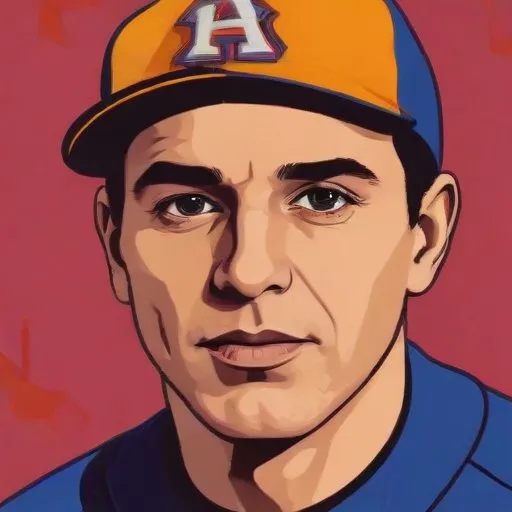
Firpo Marberry: The Pioneering Reliever of Major League Baseball
A Trailblazer in the Bullpen
Firpo Marberry, an American righthanded pitcher, is widely regarded as the first prominent reliever in Major League Baseball history. During his 14-year career from 1923 to 1936, Marberry achieved several milestones, earning him recognition as a pioneer in the bullpen.
Raising the Bar for Relievers
Marberry's impressive statistics set a new standard for relief pitchers. He was the first to record 20 saves in a season, make 50 relief appearances in a season, and reach 300 relief appearances in a career. Moreover, Marberry led the major leagues in saves six times, cementing his reputation as a dominant force in the bullpen.
A Starter's Credentials
While Marberry excelled as a reliever, he also started 187 games, posting a respectable 94-52 record as a starter, with a .644 winning percentage. This versatility showcased Marberry's adaptability and ability to perform in various roles.
The Intimidating Scowl
Marberry's intense demeanor and scowl-like expression earned him the nickname "Firpo," reminiscent of boxer Luis Firpo. Although he disliked the moniker, it stuck, and Marberry's fierce appearance often intimidated batters, giving him an edge on the mound.
Rise to Prominence
Born in Streetman, Texas, Marberry began his major league career with the Washington Senators in 1923. He quickly made a name for himself, pitching effectively in 44.2 innings, with a 4-0 record in his rookie season. The following year, Marberry's impressive 11-12 season, with a 3.09 ERA, included 15 saves, a new major league record at the time.
World Series Debut
Marberry's crucial role in the Senators' 1924 World Series appearance against the New York Giants solidified his position as a valuable asset to the team. In Game 2, he entered the game in the 9th inning, with the Senators holding a 3-1 lead, and helped secure the win.
Career Milestones
- First pitcher to record 20 saves in a season (1925)
- First pitcher to make 50 relief appearances in a season (1925)
- First pitcher to reach 300 relief appearances in a career (1933)
- Led the major leagues in saves six times (1924, 1925, 1926, 1930, 1931, and 1933)
Legacy and Impact
Firpo Marberry's pioneering achievements in the bullpen paved the way for future generations of relief pitchers. His influence can be seen in the evolution of relief pitching strategies and the recognition of the importance of specialized relief roles in modern baseball.
Final Years and Legacy
Marberry concluded his career with the Detroit Tigers (1933-1935) and New York Giants (1936) before returning to the Washington Senators for his final season. His contributions to the game of baseball have ensured his place in the history books as one of the most influential relievers of all time.
FAQ
What was Firpo Marberrys role in the early days of American baseball?
Firpo Marberry was a pioneering relief pitcher in the early days of American baseball, making his debut in 1923 with the Washington Senators. He was one of the first pitchers to specialize in relief work, earning him the nickname The Grand Old Man of the Bullpen.
How did Firpo Marberry contribute to the development of the relief pitcher role?
Marberrys success in the bullpen led to a shift in the way teams used their pitchers, paving the way for future generations of relief pitchers. He is often credited with popularizing the role of the relief pitcher, and his innovative approach to the game earned him a place in the Baseball Hall of Fame.
What was Firpo Marberrys playing style like?
Marberry was known for his sidearm delivery and ability to throw a variety of pitches, including a fastball, curveball, and changeup. He was an expert at keeping batters off balance, and his unorthodox style earned him the respect of his peers.
What teams did Firpo Marberry play for during his MLB career?
Marberry played for the Washington Senators, Detroit Tigers, and New York Giants during his 14-year MLB career, which spanned from 1923 to 1936.
What was Firpo Marberrys legacy in baseball?
Marberrys pioneering work in the bullpen and his innovative approach to pitching have made him a beloved figure in baseball history. He was inducted into the Baseball Hall of Fame in 1948, and his legacy continues to inspire future generations of pitchers.