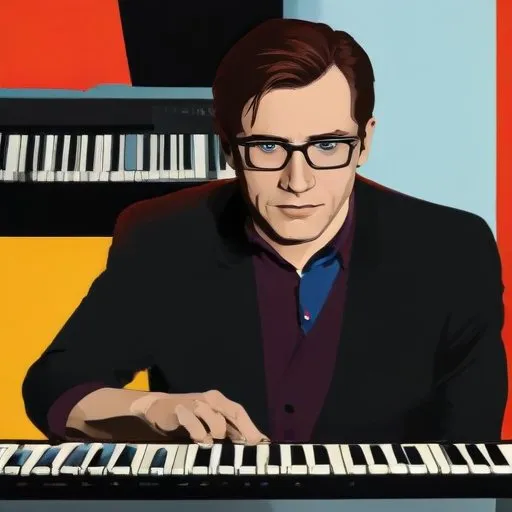
Florian Fricke: The Visionary Pioneer of Electronic Music
A Founding Father of Krautrock and Electronic Music
Florian Fricke, a German musician, is renowned for his groundbreaking work in electronic music, particularly with the Moog synthesizer, and as a founding member of the iconic Krautrock band Popol Vuh. His innovative approach to music and soundtrack production has left an indelible mark on the industry, earning him a revered status among music enthusiasts and historians.
Early Life and Influences
Born on February 23, 1944, into an affluent Bavarian family on the picturesque Lindau island of Lake Constance, Germany, Fricke's fascination with music began at a young age. He started playing the piano as a child and went on to study piano, composition, and conducting at conservatories in Freiburg and Munich. During his time in Munich, he was drawn to avant-garde music, including free jazz, which would later shape his unique sound.
Creative Collaborations and Soundtracks
Fricke's friendship with future film director
Werner Herzog in the early 1960s led to a fruitful collaboration that spanned several cinematic projects. He appeared in Herzog's 1968 film "Signs of Life" and later edited the soundtracks for several of Herzog's movies, including "Nosferatu the Vampyre," "Aguirre, the Wrath of God," and "Heart of Glass." Fricke's cameo appearance in Herzog's 1974 film "The Enigma of Kaspar Hauser" as a blind pianist added another dimension to their creative partnership.
Popol Vuh: A Pioneering Force in Electronic Music
In 1969, Fricke co-founded Popol Vuh with sound designer Frank Fiedler and percussionist Holger Trülzsch. The band's name was inspired by a Maya religious book, "Popol Vuh," which Fricke and Herzog discovered in a Munich university library. As one of the first musicians to own and utilize a Moog III synthesizer, Fricke recorded Popol Vuh's first two albums, "Affenstunde" (Hour of the Monkey) and "In den Gärten Pharaos" (In Pharaoh's Gardens). These albums showcased Fricke's innovative approach to electronic music, earning him recognition as a pioneer in the field.
Legacy and Impact
Florian Fricke's contributions to electronic music, soundtrack production, and his work with Popol Vuh have left a lasting impact on the music world. His innovative use of the Moog synthesizer paved the way for future generations of electronic musicians. Fricke's influence can be heard in various genres, from Krautrock to ambient and new age music.
Awards and Recognition
Fricke's work with Popol Vuh and his soundtracks for Werner Herzog's films have garnered critical acclaim and recognition within the music and film communities. His pioneering spirit and innovative approach to music have cemented his status as a visionary in the world of electronic music.
Personal Life and Milestones
Fricke's personal life was marked by a passion for music, filmmaking, and spirituality. His friendship with Werner Herzog was a significant aspect of his life, and their collaborations continue to inspire artists to this day. Fricke passed away on December 29, 2001, leaving behind a legacy that continues to inspire and influence musicians, filmmakers, and music enthusiasts around the world.
Timeline of Key Events:
- 1944: Born on February 23rd in Lindau, Germany
- 1960s: Befriended Werner Herzog and began exploring avant-garde music
- 1968: Appeared in Herzog's film "Signs of Life"
- 1969: Co-founded Popol Vuh with Frank Fiedler and Holger Trülzsch
- 1970s: Recorded Popol Vuh's first two albums, "Affenstunde" and "In den Gärten Pharaos"
- 1974: Appeared in Herzog's film "The Enigma of Kaspar Hauser"
- 2001: Passed away on December 29th
Fricke's remarkable journey, marked by innovative music, creative collaborations, and a passion for the avant-garde, has left an enduring legacy in the world of electronic music.
FAQ
What was Florian Frickes role in the band Popol Vuh?
Florian Fricke was the founder and keyboardist of the German krautrock band Popol Vuh. He was the primary composer and driving force behind the bands music.
What was Florian Frickes musical style?
Florian Frickes musical style was a unique blend of psychedelia, folk, and electronic music, characterized by his use of the Moog synthesizer and other electronic instruments.
What films did Florian Fricke score?
Florian Fricke scored several films, including Werner Herzogs Aguirre, the Wrath of God and Nosferatu the Vampyre. His music added a haunting and atmospheric quality to these films.
What was Florian Frickes legacy in music?
Florian Frickes legacy in music is that of a true innovator and pioneer in the field of electronic music. His work with Popol Vuh continues to influence musicians and composers to this day.
What is Florian Frickes legacy in film scoring?
Florian Frickes legacy in film scoring is that of a master of atmosphere and mood. His scores added a level of depth and complexity to the films he worked on, and his music continues to be celebrated by film enthusiasts around the world.