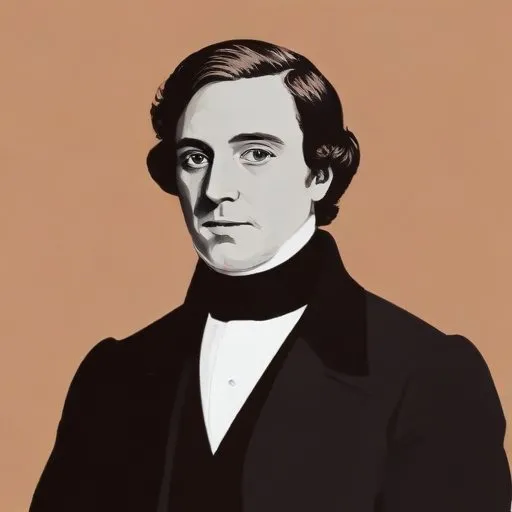
Francis Caulfeild, 2nd Earl of Charlemont: The Irish Peer and Politician Who Shaped the Nation
A Life of Public Service and Legacy
Francis Caulfeild, 2nd Earl of Charlemont, was a prominent Irish peer and politician who left an indelible mark on the nation's history. Born on January 3, 1775, he was a steadfast advocate for the rights and interests of the Irish people, serving in various capacities throughout his lifetime.
Early Life and Career
Caulfeild was the elder son of James Caulfeild, 1st Earl of Charlemont, and Mary Hickman, daughter of Thomas Hickman of County Clare. He was styled Viscount Caulfeild until 1799, when he succeeded his father as the 2nd Earl of Charlemont. Caulfeild's entry into politics was marked by his election to the Irish House of Commons in 1798, where he represented the constituencies of Charlemont and County Armagh.
Rise to Prominence
On December 12, 1806, Caulfeild was elected as an Irish representative peer, earning him a seat in the House of Lords. This marked a significant milestone in his career, as he became a prominent voice for Irish interests in the upper chamber. In 1831, he was appointed a Knight of the Order of St Patrick, a prestigious honor that recognized his commitment to public service.
A New Era of Representation
In 1837, Caulfeild was created Baron Charlemont in the Peerage of the United Kingdom, granting him and his descendants a permanent seat in the House of Lords. This development marked a significant shift in the Irish political landscape, as it enabled Caulfeild to continue advocating for Irish interests in the upper chamber.
Leadership and Legacy
Caulfeild's service to the nation was further recognized in 1839, when he was appointed Lord Lieutenant of Tyrone. He also served as a member of the Privy Council of Ireland, demonstrating his dedication to the betterment of Irish society. Through his various roles, Caulfeild left a lasting impact on the nation, shaping the course of Irish politics and history.
Personal Life and Family
In his personal life, Caulfeild married Anne, the daughter and coheiress of William Bermingham of Ross Hill, County Galway, and Mary Rutledge. Although his four children predeceased him, his legacy lived on through his nephew, James Molyneux Caulfeild, who succeeded him as the 3rd Earl of Charlemont.
A Lasting Legacy
Francis Caulfeild, 2nd Earl of Charlemont, passed away on December 26, 1863, at his seat, Marino House in Clontarf, Dublin. His life's work, marked by dedication to public service and advocacy for Irish interests, continues to inspire generations. Today, his legacy serves as a testament to the power of committed leadership and the enduring spirit of the Irish people.
FAQ
What is Francis Caulfeilds role in Irish history?
Francis Caulfeild was an Anglo-Irish peer and politician who played a key role in Irish politics in the late 18th and early 19th centuries. He was a member of the Irish House of Lords and served as the 2nd Earl of Charlemont.
What is Francis Caulfeilds background in politics?
Francis Caulfeild was educated at Eton and Cambridge and later entered politics, serving as a member of the Irish House of Commons and later the Irish House of Lords.
What is Francis Caulfeilds relationship like with the British government?
Francis Caulfeild was a strong supporter of the British government and advocated for closer ties between Ireland and Great Britain. He was a key figure in promoting British interests in Ireland.
What is Francis Caulfeilds legacy in Irish politics?
Francis Caulfeilds legacy in Irish politics is complex and controversial. While he was a strong supporter of British rule, he also advocated for greater autonomy for Ireland and was a key figure in promoting Irish interests.
What is Francis Caulfeilds significance in Anglo-Irish relations?
Francis Caulfeild played a significant role in shaping Anglo-Irish relations in the late 18th and early 19th centuries. He was a key figure in promoting greater understanding and cooperation between Ireland and Great Britain.