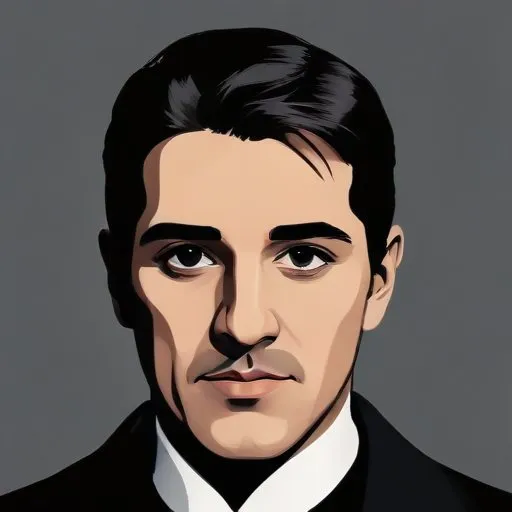
Franco Ventriglia: The Opera Singer Who Conquered Europe's Grandest Stages
A Bass Like No Other
Franco Ventriglia is renowned for his powerful bass voice, which echoed through the grandest opera houses of Europe during the 1950s, 1960s, and 1970s. His impressive vocal range and dramatic flair earned him a revered spot among the operatic elite, sharing the stage with legendary performers like
Luciano Pavarotti.
Early Life and Unexpected Calling
Born on October 20, 1922, in Fairfield, Connecticut, Franco Ventriglia grew up on a vegetable farm and graduated from Roger Ludlowe High School in 1941. He enlisted in the Marine Corps, serving in the 1st Marine Aircraft Wing in the South Pacific during World War II. After the war, Ventriglia worked at his brother's filling station in Easton, Connecticut, until a chance encounter with Mario Pagano, a maestro de Canto, discovered his hidden talent for singing.
Rise to Operatic Stardom
Ventriglia's newfound passion led him to attend the American Theatre Wing Professional School on the G.I. Bill, where he crossed paths with fellow student
Marlon Brando. He later worked as an inspector at Sikorsky Aircraft in Stratford, Connecticut, while pursuing singing lessons and performing in local concerts.
Igor Sikorsky, the aircraft magnate and music enthusiast, granted Ventriglia permission to take one day off each week to continue his voice studies in New York City.
Italian Odyssey and La Scala Debut
After Pagano's death, Ventriglia and his wife Jean traveled to Italy, where he met Toti Dal Monte, a renowned coloratura soprano and voice teacher. Under her guidance, Ventriglia refined his craft, eventually making his operatic debut in Palermo, singing in
Die Meistersinger von Nürnberg. He went on to perform at La Scala, singing in
Samson and Delilah, and shared the stage with Luciano Pavarotti in
La bohème and
Rigoletto.
American Return and Global Performances
In 1978, Ventriglia returned to the United States, where he continued to perform at esteemed venues like Carnegie Hall. He also traveled to southeast Asia, gracing the stages of opera houses in that region. Ventriglia's impressive career spanned over five decades, until his retirement in 2001 at the age of 79.
Legacy and Impact
Franco Ventriglia's remarkable journey serves as a testament to the power of passion and perseverance. His legacy extends beyond the opera world, inspiring generations of performers and music enthusiasts alike. As a true pioneer, Ventriglia's contributions to the world of opera will continue to resonate for years to come.
Personal Milestones and Key Life Events
- October 20, 1922: Born in Fairfield, Connecticut
- 1941: Graduated from Roger Ludlowe High School
- 1940s: Served in the Marine Corps during World War II
- 1950s-1970s: Performed at major European opera houses
- 1978: Returned to the United States and continued performing
- 2001: Retired from performing at the age of 79
- November 28, 2012: Passed away, leaving behind a legacy in the opera world
Trivia and Fun Facts
- Ventriglia's powerful voice was often compared to that of legendary bass singer, Ezio Pinza.
- He was known for his charismatic stage presence and dramatic flair.
- Ventriglia's wife, Jean, was a constant source of support throughout his career.
FAQ
What is Franco Ventriglias place in American opera?
Franco Ventriglia was a renowned American opera singer who performed leading roles in major opera houses across the United States and Europe.
What were Franco Ventriglias most notable opera performances?
Franco Ventriglias most notable performances included his interpretations of Verdis Otello and Puccinis Tosca, which earned him critical acclaim and public admiration.
What was Franco Ventriglias vocal style?
Franco Ventriglia was known for his powerful, expressive tenor voice, which was marked by its warmth, nuance, and technical precision.
How did Franco Ventriglias career influence American opera?
Franco Ventriglias career helped to promote American opera and encouraged a new generation of American opera singers.
What is Franco Ventriglias legacy in opera history?
Franco Ventriglia is remembered as a gifted and dedicated opera singer who brought joy and inspiration to audiences around the world. Sub-question: What was Franco Ventriglias relationship with major opera companies?