


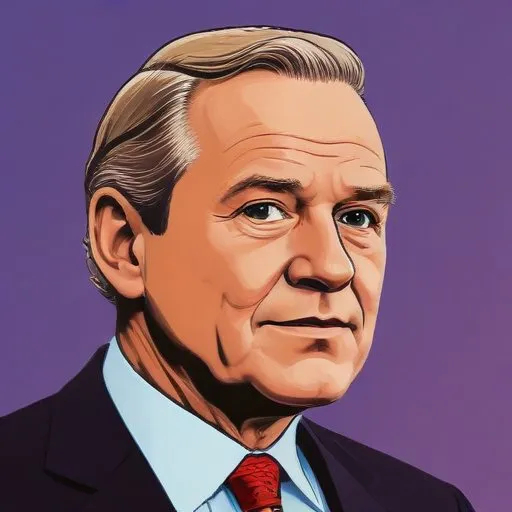
A corrupt but effective mayor who dominated Jersey City's politics for three decades, known for his machine politics and infrastructure development.
Frank Hague, a name synonymous with corruption, extortion, and bossism, yet simultaneously revered for his innovative reforms and infrastructure upgrades as the Mayor of Jersey City from 1917 to 1947. During his 30-year tenure, Hague wielded immense power, earning him the moniker "the grandaddy of Jersey bosses."
Born on January 17, 1876, in Jersey City, Frank Hague was the fourth of eight children to Irish immigrant parents, John D. and Margaret Hague. Raised in the city's Second ward, known as "The Horseshoe," Hague's early life was marked by poor attendance and expulsion from school at the age of 14. Despite this inauspicious start, Hague's charisma and political acumen propelled him to the top of Jersey City's political hierarchy.
As Mayor, Hague oversaw a slew of reforms and innovations that transformed Jersey City's infrastructure and services. He championed the construction of parks, schools, and public housing, which significantly improved the city's living standards. Additionally, Hague secured funding for public works projects and attracted new businesses, boosting the city's economy.
However, Hague's meteoric rise to power was marred by allegations of corruption, extortion, and bossism. His administration was notorious for its patronage and cronyism, with Hague using his influence to line his own pockets. By the time he left office in 1947, Hague's estimated wealth was over $10 million, despite his City salary never exceeding $8,500 per year.
Hague's political machine, known as "the organization," was one of the most powerful in the United States, exerting control over local, county, and state politics. His influence extended to the national level, shaping federal patronage and presidential campaigns. Hague's reach was so profound that he was able to manipulate politics from behind the scenes, earning him the reputation as a master of machine politics.
In his later years, Hague resided in palatial homes, enjoyed European vacations, and maintained a private suite at the Plaza Hotel. Despite his questionable ethics, Hague's legacy is complex, marked by both progressive reforms and egregious corruption. As a testament to his enduring influence, Hague remains a fascinating figure in American political history.
"I am the law in Jersey City, and I'll make the laws to suit myself." - Frank Hague
Frank Hague's tumultuous career continues to captivate historians and political enthusiasts alike, serving as a cautionary tale about the dangers of unchecked power and the importance of accountability in politics.
Born in 1915
A legendary entertainer who charmed audiences with smooth vocals and iconic film roles, leaving an indelible mark on American popular culture.
Born in 1926
Legendary crooner and painter, famous for his smooth, soulful voice and iconic renditions of timeless classics like "I Left My Heart in San Francisco" and "What the World Needs Now Is Love."
Born in 1917
A legendary entertainer, known for smooth vocals, charming on-screen presence, and iconic Rat Pack performances, leaving a lasting impact on the music and film industries.
Born in 1926
A legendary comedian and actor, best known for his slapstick humor, impressive physical comedy, and iconic films like "The Nutty Professor" and "Martin and Lewis" duo with Dean Martin.
Born in 1909
The 45th Governor of New Jersey and Chief Justice of the New Jersey Supreme Court was a prominent figure in state politics and law, known for his progressive policies and judicial reforms.
Born in 1908
The 44th Governor of New Jersey, a lawyer and politician who served from 1954 to 1962, known for his progressive policies and strong leadership during a time of significant social change.
