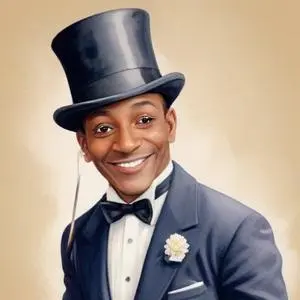
Frankie Manning: The Lindy Hop Legend
A Pioneer of Swing Dance
Frankie Manning is widely regarded as one of the founders of Lindy Hop, a high-energy form of swing dance that originated in the 1920s. With a career spanning over five decades, Manning's innovative style, infectious energy, and passion for dance have left an indelible mark on the world of swing.
Early Life and Influences
Born on May 26, 1914, in Jacksonville, Florida, Manning's early life was immersed in music and dance. After his parents separated when he was three, he moved to Harlem with his mother, a professional dancer. Summers spent on his father's farm in Aiken, South Carolina, introduced him to rural blues and folk music, which would later influence his unique dance style.
The Savoy Ballroom and the Birth of Lindy Hop
In the 1930s, Manning frequented Harlem's renowned Savoy Ballroom, the only integrated ballroom in New York. It was here that he honed his skills, eventually becoming a dancer in the elite Kats Corner, a corner of the dance floor reserved for impromptu exhibitions and competitions. Alongside other legendary dancers, including George Snowden, Manning helped shape the Lindy Hop style.
The First Aerial and Rise to Fame
In 1935, during a dance contest, Manning and his partner, Frieda Washington, performed the first recorded aerial in a swing dance competition. This groundbreaking move, a back-to-back roll, was danced to
Chick Webb's "Down South Camp Meeting" at Manning's request. This moment catapulted Manning to fame, and he soon became a sought-after performer and instructor.
Whitey's Lindy Hoppers and International Acclaim
In 1935, Herbert White organized the top Lindy Hop dancers, including Manning, into a professional performance group, Whitey's Lindy Hoppers. This troupe performed across the United States and Europe, spreading the joy and excitement of Lindy Hop to global audiences.
Legacy and Impact
Manning's contributions to Lindy Hop extend far beyond his impressive dance career. He has inspired generations of dancers, choreographers, and instructors, and has been recognized with numerous awards and honors, including a 1989 National Endowment for the Arts Fellowship.
Personal Milestones and Key Life Events
- 1943: Manning served in the US Army during World War II, where he continued to dance and entertain his fellow soldiers.
- 1989: He received a National Endowment for the Arts Fellowship.
- 2007: Manning was inducted into the Dance Hall of Fame.
- April 27, 2009: Manning passed away at the age of 94, leaving behind a rich legacy in the world of swing dance.
Quotes and Memorable Sayings
- "The Lindy Hop is not just a dance, it's a way of life."
- "When you're dancing, you're not just moving your body, you're moving your soul."
Awards and Honors
- 1989: National Endowment for the Arts Fellowship
- 2007: Inducted into the Dance Hall of Fame
Influence on Modern Society
Frankie Manning's impact on modern society extends beyond the world of dance. He has inspired generations of artists, musicians, and performers, and his legacy continues to influence popular culture.
Historical Context and Legacy
Manning's story is a testament to the power of creativity, perseverance, and community. His contributions to Lindy Hop have preserved a vital part of American cultural heritage, ensuring that the joy and excitement of swing dance continue to thrive for generations to come.
FAQ
What was Frankie Mannings background in dance?
Frankie Manning was an American dancer and choreographer who began his career in the 1930s, performing with the Savoy Ballroom dancers.
What style of dance did Frankie Manning specialize in?
Manning was a master of Lindy Hop, a style of swing dance that originated in the 1920s and 1930s.
How did Frankie Manning contribute to the development of Lindy Hop?
Manning was instrumental in popularizing Lindy Hop, creating new moves and styles that became synonymous with the dance. He also taught and performed with many prominent dancers of the time.
What awards and recognition did Frankie Manning receive for his contributions to dance?
Manning received a National Heritage Fellowship from the National Endowment for the Arts and was inducted into the Dance Hall of Fame.
What was Frankie Mannings legacy in the world of dance?
Frankie Mannings contributions to Lindy Hop and swing dance are still celebrated today. He is remembered for his energetic performances, his innovative choreography, and his role in preserving and promoting these classic dance styles.