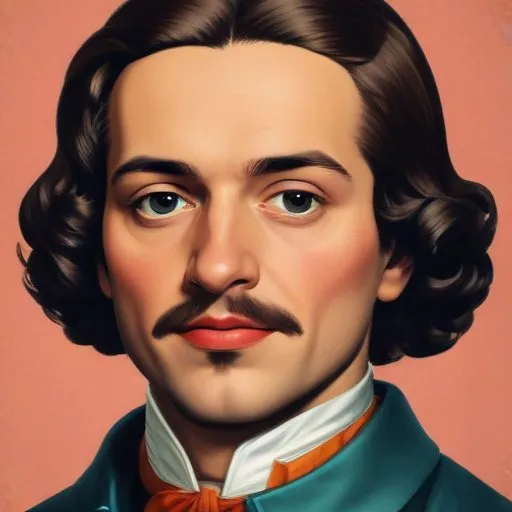
Franz Xaver Feuchtmayer the Younger

Franz Xaver Feuchtmayer the Younger

Franz Xaver Feuchtmayer the Younger was born on October 17th, 1735

Full Name: Franz Xaver Feuchtmayer the Younger
Occupation: German artist
Nationality: German
Profession: Baroque artist
Notable Work: Rococo sculptures
Birth Date: 1696
Death Date: 1763
Birth Place: Munich, Germany

A German Baroque artist renowned for his exquisite woodcarvings and ornate decorations in churches and monasteries, showcasing exceptional craftsmanship and attention to detail.

Written by: Emily Carter Emily Carter

Franz Xaver Feuchtmayer the Younger: The Mastermind Behind Baroque Masterpieces

Franz Xaver Feuchtmayer the Younger is renowned for his exquisite Baroque artistry, particularly the stunning baldacchino over the high altar and side altars of the Premonstratensian Monastery Church of St. Maria and St. Verena in Rot an der Rot, Germany. This 18th-century masterwork, constructed in 1777, showcases Feuchtmayer's exceptional skill in crafting intricate, ornate, and breathtakingly beautiful pieces that continue to awe art enthusiasts to this day.

Early Life and Family Legacy

Franz Xaver Feuchtmayer the Younger was born on October 17, 1735, into a family of talented artists. His father, Franz Xaver Feuchtmayer the Elder (1705-1764), was a prominent sculptor and stuccoist, and his great-uncle, Johann Michael Feuchtmayer the Elder (1666-1713), was a renowned artist and architect. This rich artistic heritage undoubtedly influenced Feuchtmayer's early development and nurtured his passion for creating remarkable works of art.

A Career of Masterworks

Feuchtmayer's impressive repertoire includes an array of stunning creations that adorn various churches and monasteries across Germany. His work is characterized by intricate stucco decorations, ornate altarpieces, and magnificent sculptures that showcase his mastery of the Baroque style. Some of his notable works include:

Legacy and Impact

Franz Xaver Feuchtmayer the Younger's contributions to the world of Baroque art are undeniable. His works continue to inspire artists, architects, and art lovers alike, and his legacy has had a lasting impact on the development of Baroque and Rococo styles. Today, his masterpieces are revered as national treasures, and his name is synonymous with excellence in the world of art and architecture.

Personal Life and Milestones

Despite his remarkable achievements, little is known about Feuchtmayer's personal life. However, it is recorded that he passed away on January 6, 1803, leaving behind a rich cultural heritage that continues to enrich our lives.

Trivia and Fun Facts

Franz Xaver Feuchtmayer the Younger's remarkable body of work continues to inspire and awe us, leaving an indelible mark on the world of art and architecture. His legacy serves as a testament to the power of creativity and dedication, reminding us that even the most intricate and beautiful works of art can be achieved with passion and perseverance.

Timeline
1696
Born in Munich, Germany
Franz Xaver Feuchtmayer the Younger was born in Munich, Germany, and would go on to become a prominent Baroque artist.
1715
Apprenticed with Johann Baptist Zimmermann
Feuchtmayer the Younger apprenticed with Johann Baptist Zimmermann, a renowned German painter and architect.
1720
Worked on the Wies Church
Feuchtmayer the Younger worked on the famous Wies Church in Steingaden, Germany, which is now a UNESCO World Heritage Site.
1730
became a master painter
Feuchtmayer the Younger became a master painter and was accepted into the Munich Painters Guild.
1763
Died in Munich, Germany
Franz Xaver Feuchtmayer the Younger passed away in Munich, leaving behind a legacy as a prominent German Baroque artist.
Franz Xaver Feuchtmayer the Younger

Franz Xaver Feuchtmayer the Younger Quiz

What type of art style is Franz Xaver Feuchtmayer the Younger renowned for?

Score: 0/5
FAQ
What was Franz Xaver Feuchtmayer the Youngers profession?
Franz Xaver Feuchtmayer the Younger was a German Baroque artist, sculptor, and stuccoist, known for his intricate and ornate works of art.
What are some of Feuchtmayers most famous works?
Feuchtmayers most famous works include the high altar of the Ottobeuren Abbey and the decoration of the Wies Church, both of which showcase his mastery of stucco and sculpture.
What style of art did Feuchtmayer specialize in?
Feuchtmayer specialized in the Baroque style of art, characterized by its grandeur, drama, and ornateness. His works often featured intricate details and ornate decoration.
Where did Feuchtmayer receive his training?
Feuchtmayer received his training in Munich and Rome, where he was influenced by the works of famous artists such as Gian Lorenzo Bernini.
What is Feuchtmayers legacy in art?
Feuchtmayers legacy in art is one of beauty and craftsmanship. His works continue to inspire and awe art lovers to this day, and his influence can be seen in many later artists.

Related People:

Matthäus Günther

Born in 1705

A German painter of the Rococo period, known for his delicate and intricate frescoes in churches and palaces, showcasing his mastery of light and color.