


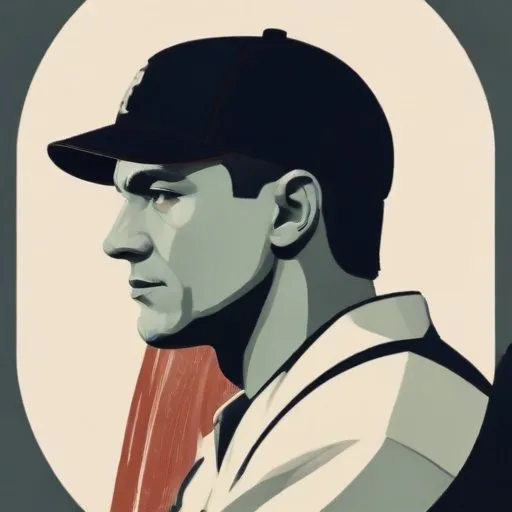
A baseball player and manager who made a infamous baserunning mistake in 1908 that cost his team the pennant, and later managed several teams to success. 21
Fred Merkle, nicknamed "Bonehead," is famously known for his baserunning blunder in 1908, a mistake that would define his career and haunt him for the rest of his life. At just 19 years old, Merkle's error in judgment during a game against the Chicago Cubs would become one of the most talked-about moments in baseball history.
Born Carl Frederick Rudolf Merkle on December 20, 1888, in Watertown, Wisconsin, to Ernst Merkle, a Swiss immigrant, and Amalie Thielmann Merkle, a German American, Fred was raised in Toledo, Ohio. He began his baseball career at a young age, making his Major League debut with the New York Giants in 1907 at just 18 years old.
On September 23, 1908, Merkle's life changed forever. During a crucial game against the Chicago Cubs, Merkle failed to touch second base while running the bases, resulting in a game-winning run being called back. The Giants ultimately lost the game, and the mistake would go on to be known as "Merkle's Boner."
Despite the infamous error, Merkle continued to play baseball, eventually becoming the Giants' regular first baseman by 1910. He contributed to three straight pennant winners from 1911 to 1913 and was traded to the Brooklyn Robins in 1916. Merkle played in his fourth World Series with the Robins and later played for the Chicago Cubs, the team against which he had made his infamous play.
Fred Merkle played in five World Series in eight years but never won a championship. He retired from baseball in 1927 and was inducted into the International League Hall of Fame in 1953. Despite his early mistake, Merkle's contributions to the game and his perseverance in the face of adversity have earned him a place in baseball history.
The "Merkle Rule" was established in 1908, stating that a game-winning run cannot be scored if the runner does not touch home plate or the previous base. This rule change was a direct result of Merkle's error, and it has had a lasting impact on the game of baseball.
In conclusion, Fred Merkle's story serves as a reminder that even the most talented athletes can make mistakes, but it is how they respond to those mistakes that truly defines their character. Despite his infamous error, Merkle went on to have a successful baseball career, leaving behind a legacy that continues to be felt in the world of baseball.
Born in 1880
Hall of Fame pitcher and manager who dominated the early 20th century with his exceptional skills and innovative tactics, earning him the nickname "The Christian Gentleman".
Born in 1873
Legendary baseball figure who played and managed in the late 19th and early 20th centuries, leading the New York Giants to multiple championships and earning a reputation as a fierce competitor.
Born in 1896
A legendary baseball figure who dominated the game as a player, coach, and manager, earning two MVP awards and setting numerous records, including the highest single-season batting average. He's a iconic figure in baseball history, known for his impressive skills and innovative coaching style.
Born in 1886
A fierce and innovative baseball legend, known for his aggressive playing style and record-breaking batting average, who dominated the sport in the early 20th century.
Born in 1895
Legendary baseball player who set numerous records for home runs and revolutionized the game with his power-hitting style. He is an iconic figure in American sports history.
Born in 1867
Legendary baseball pitcher and manager who won more games than any other player in history, earning him a prestigious award in his honor.
Born in 1874
Legendary shortstop and one of the greatest players of the early 20th century, known for his impressive batting and fielding skills, earning him a spot in the National Baseball Hall of Fame.
Born in 1874
Hall of Fame second baseman and pioneering five-tool player who dominated the early 20th century with his impressive batting average and slick fielding.
