


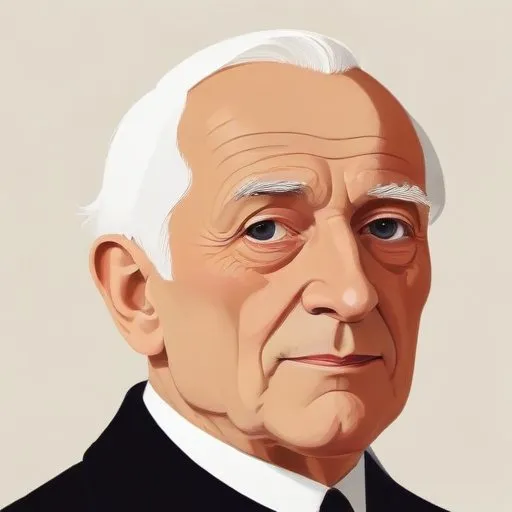
Designed influential buildings and taught architecture, shaping the development of modern German architecture. His work and teachings had a lasting impact on the field.
Friedrich Lahrs was a renowned German architect and professor, celebrated for his impressive designs that left an indelible mark on the architectural landscape of Knigsberg, East Prussia. He is particularly known for his iconic creations, such as the Kunsthalle, the new Kunstakademie, and the mausoleum for Immanuel Kant, which continue to inspire awe and admiration.
Lahrs was born on July 11, 1880, in Knigsberg, East Prussia, and attended the Lbenicht Realgymnasium before pursuing his architectural studies at the Technical University in Charlottenburg in 1898.
Lahrs' architectural career was marked by numerous milestones, including his early work in Berlin and Charlottenburg until 1908, when he began working at the Kunstakademie in Knigsberg. He served as an architectural professor at the Kunstakademie from 1911 to 1934, during which he designed some of his most notable works.
Lahrs was married to Maria Lahrs, a talented painter and silhouette artist, with whom he had three daughters. After being expelled from Knigsberg in 1945 as a result of World War II, Lahrs settled in Stuttgart, where he continued to work on various projects until his passing in 1964, following an auto accident.
In 1956, Lahrs published
Friedrich Lahrs' remarkable contributions to architecture, education, and his community have left an enduring legacy, inspiring future generations of architects, artists, and scholars.
Born in 1883
A pioneer of modernist architecture, he designed iconic buildings that blended functionality with aesthetics, including the John F. Kennedy Federal Building. His work continues to inspire architects and designers today.
Born in 1886
A pioneering architect who revolutionized modern skyscraper design with sleek, minimalist, and functional buildings that redefined urban landscapes. His iconic creations continue to inspire architects and influence city skylines.
Born in 1887
A pioneer of modern architecture, famous for designing innovative, functional, and visually striking buildings that transformed urban landscapes. His works continue to inspire architects and designers worldwide.
Born in 1910
A Finnish-American architect and furniture designer who created iconic, futuristic structures and designs that blended art and functionality, including the iconic Gateway Arch.
Born in 1867
Visionary architect behind iconic, harmonious structures that blend seamlessly into their surroundings, redefining modern American architecture.
Born in 1917
A renowned architect who designed iconic buildings that blend modernity with cultural sensitivity, leaving an indelible mark on the urban landscape.
Born in 1892
A pioneering architect who designed iconic buildings that blended seamlessly into their surroundings, revolutionizing modernist architecture with his sleek, functional, and elegant style.
