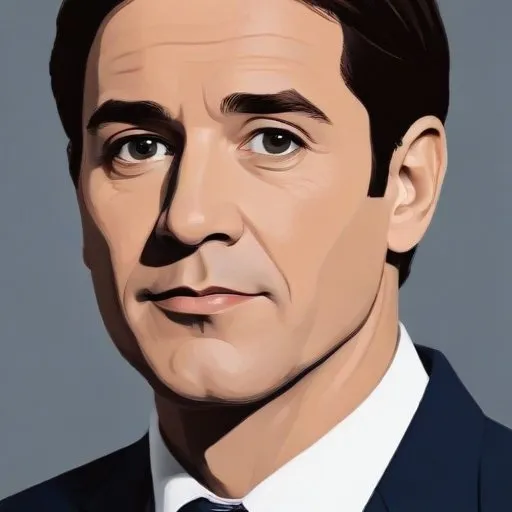
Gabriel Loubier: The Politician Who Shaped Quebec's History
A Leader in the Making
Gabriel Loubier is known for his prominent role in Quebec's political landscape, serving as the leader of the Union Nationale party from 1971 to 1974 and the Leader of the Opposition in the National Assembly of Quebec from 1971 to 1973. Born on September 27, 1932, in Black Lake, Quebec, Loubier's journey in politics was marked by significant milestones that continue to influence Quebec's political narrative.
Early Life and Education
Loubier's academic pursuits took him to Laval University, where he studied law. He was admitted to the bar in 1958, laying the foundation for a successful career in politics.
Rise to Prominence
Loubier's entry into politics began in 1962 when he was first elected to the Quebec legislature, representing Bellechasse. He went on to serve as Minister of Tourism and Fishing in the cabinets of Daniel Johnson and
Jean-Jacques Bertrand from 1966 to 1970. Additionally, he held the portfolio of Minister responsible for Youth and Sport from 1968 to 1970.
Leadership and Challenges
Following the defeat of the Bertrand government in the 1970 provincial election, Loubier became a candidate in the June 1971 Union Nationale leadership convention. He defeated
Marcel Masse on the third ballot, becoming the party leader and Leader of the Opposition. During his tenure, the Union Nationale temporarily changed its name to Unité Québec from October 25, 1971, to January 14, 1973.
Controversies and Setbacks
The 1973 election proved to be a significant setback for Loubier and the Union Nationale, as they failed to win a single seat. This defeat led to Loubier ceasing to be the Leader of the Opposition. He eventually resigned as UN party leader in March 1974.
Post-Politics and Entrepreneurial Pursuits
After leaving politics, Loubier served on the board of directors of Megantic Metal and several firms in the steel industry. He inherited control of the family firm, Loubier Metal, from his father in 1985, marking a new chapter in his professional life.
Legacy and Impact
Gabriel Loubier's contributions to Quebec's political landscape are undeniable. His leadership and vision, although marked by challenges, continue to shape the province's political narrative. As a politician, entrepreneur, and leader, Loubier's legacy serves as a reminder of the importance of dedication, perseverance, and service to the people.
Personal Milestones and Key Life Events
- Born on September 27, 1932, in Black Lake, Quebec
- Admitted to the bar in 1958
- Elected to the Quebec legislature in 1962
- Became Minister of Tourism and Fishing in 1966
- Became Minister responsible for Youth and Sport in 1968
- Became leader of the Union Nationale party in 1971
- Inherited control of the family firm, Loubier Metal, in 1985
FAQ
What did Gabriel Loubier do in Canadian politics?
Gabriel Loubier was a Canadian politician who served as a member of the Legislative Assembly of Quebec from 1976 to 1985, representing the riding of Champlain. During his tenure, he held various cabinet positions, including Minister of Agriculture, Fisheries, and Food.
What was Gabriel Loubiers role in the Parti Québécois?
Gabriel Loubier was an active member of the Parti Québécois, a Quebec-based political party that advocates for Quebec nationalism and sovereignty. He played a significant role in shaping the partys policies and was a key figure in the partys leadership.
What accomplishments is Gabriel Loubier known for?
Gabriel Loubier is recognized for his contributions to the development of Quebecs agricultural sector. He implemented several initiatives aimed at promoting rural development, improving farm productivity, and enhancing the overall competitiveness of Quebecs agri-food industry.
When was Gabriel Loubier born?
Gabriel Loubier was born on August 10, 1946, in Quebec, Canada.
What is Gabriel Loubiers legacy in Quebec politics?
Gabriel Loubiers legacy in Quebec politics is marked by his dedication to promoting the interests of rural communities and his commitment to advancing the cause of Quebec nationalism. His work has had a lasting impact on the provinces agricultural sector and continues to inspire future generations of Quebec politicians.