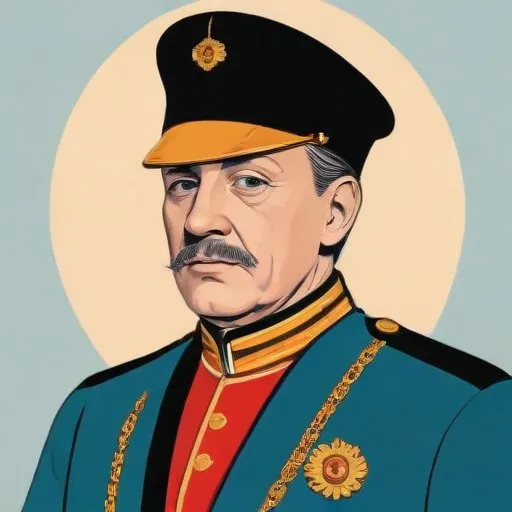
Georg II of Fleckenstein-Dagstuhl: The Last Baron of Fleckenstein
A Guardian of Power and Legacy
Georg II of Fleckenstein-Dagstuhl is renowned for his pivotal role as guardian and regent of the counties of Hanau-Lichtenberg and Hanau-Münzenberg during the tumultuous final phases of the Thirty Years' War. As the last baron of the house of Fleckenstein, he left an indelible mark on the history of the region, navigating the treacherous landscape of 17th-century politics with cunning and resourcefulness.
Early Life and Career
Born on February 2, 1588, Georg II was the eldest son of Philipp Wolfgang of Fleckenstein-Dagstuhl and his first wife, Anna Alexandria of Rappoltstein. At the tender age of 12, he began his journey as a squire at the court of Duke
Charles III of Lorraine in Nancy. This early exposure to the world of politics and diplomacy would serve him well in the years to come.
Military Career
Georg II's military career was marked by his service in Hungary during the Long War, where he rose to the rank of colonel in the army of the Protestant Union. After the Union's dissolution in 1621, he entered the service of Margrave Friedrich V of Baden-Durlach. Notably, he was involved in a feud between the Hanseatic League and the Duke of Brunswick-Lüneburg, during which he killed a member of the House of Isenburg with a pistol shot. In 1622, he retired from military life, declining offers to become a general in the Danish, English, or Swedish army, and instead focused on the administration of his own barony.
Reign and Legacy
The Lordship of Fleckenstein was severely impacted by the Thirty Years' War, with commander Ernst von Mansfeld spending the winter of 1622 in the Upper Rhine area. Georg II attempted to maintain a policy of neutrality, following the example of Counts Johann Reinhard I and his cousin Philipp Wolfgang of Hanau-Lichtenberg. However, as the imperial side gained strength, he found it increasingly difficult to sustain this stance. In response, he sold the Dagstuhl part of his territory to Archbishop Philipp Christoph of Trier and went into exile in Strasbourg, where he was joined by the ruling family of Hanau-Lichtenberg.
Personal Life and Anecdotes
During his time in exile, Georg II resided at Fleckenstein Court on Münstergasse street. Despite the turmoil surrounding him, he remained dedicated to the administration of his barony, ensuring its continued prosperity. His personal relationships and anecdotes from this period offer a fascinating glimpse into the life of a 17th-century nobleman, shaped by the complexities of war, politics, and family dynamics.
Historical Context and Legacy
Georg II of Fleckenstein-Dagstuhl's life and reign are inextricably linked to the tumultuous landscape of 17th-century Europe. His role as guardian and regent of the counties of Hanau-Lichtenberg and Hanau-Münzenberg during the Thirty Years' War cemented his place in history as a shrewd and capable leader. As the last baron of the house of Fleckenstein, he left behind a lasting legacy, a testament to his unwavering dedication to his people and his land.
- Key Dates:
- February 2, 1588: Birth of Georg II of Fleckenstein-Dagstuhl
- 1618: Death of Philipp Wolfgang of Fleckenstein-Dagstuhl, Georg II's father
- 1621: Dissolution of the Protestant Union
- 1622: Georg II's retirement from military life and sale of Dagstuhl territory
- January 31, 1644: Death of Georg II of Fleckenstein-Dagstuhl
FAQ
What was Georg II of Fleckenstein-Dagstuhls role in German history?
Georg II of Fleckenstein-Dagstuhl was a German nobleman who played a significant role in the history of the Rhineland region. He was a member of the Fleckenstein-Dagstuhl family, a prominent noble family in the region.
What are Georg II of Fleckenstein-Dagstuhls most famous achievements?
Georg II of Fleckenstein-Dagstuhls most famous achievements include his leadership in the Thirty Years War and his role in the politics of the Rhineland region. He was a skilled diplomat and politician who worked to promote the interests of his family and region.
How did Georg II of Fleckenstein-Dagstuhls work impact the Rhineland region?
Georg II of Fleckenstein-Dagstuhls work had a significant impact on the Rhineland region. He helped to promote peace and stability in the region, and his leadership played a key role in shaping the regions politics and economy.
What is Georg II of Fleckenstein-Dagstuhls legacy?
Georg II of Fleckenstein-Dagstuhl is remembered as a skilled leader and diplomat who played a significant role in the history of the Rhineland region. His legacy continues to be celebrated by historians and scholars today.
How did Georg II of Fleckenstein-Dagstuhls family influence his life?
Georg II of Fleckenstein-Dagstuhls family played a significant role in his life. He was a member of a prominent noble family, and his familys influence and connections helped to shape his career and achievements.