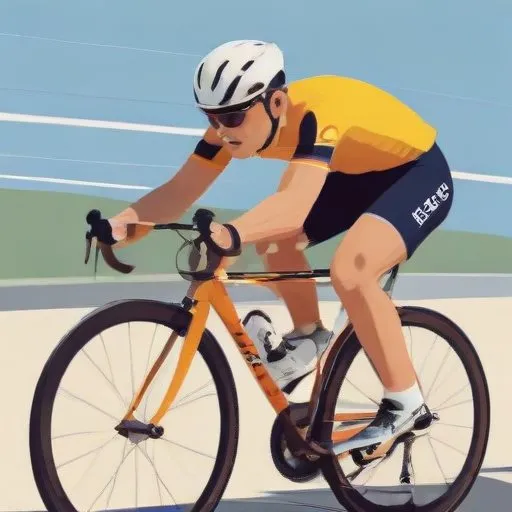
George E. Wiley: The Pioneering American Racing Cyclist
A Legacy of Speed and Endurance
George E. Wiley is renowned for his exceptional achievements in the world of competitive cycling, earning him a coveted spot in the annals of American sports history. This accomplished athlete is best known for his remarkable performances at the 1904 Summer Olympics, where he clinched the silver medal in the 5-mile event and the bronze medal in the 25-mile race.
Early Life and Career
Born on May 7, 1881, George Wiley's early life was marked by a passion for cycling, which eventually became the driving force behind his illustrious career. With his natural talent and dedication, Wiley rose to prominence in the American cycling scene, earning himself a spot on the national team for the 1904 Summer Olympics in Missouri.
Olympic Glory
Wiley's Olympic debut was nothing short of phenomenal. He took home the silver medal in the 5-mile event, showcasing his exceptional speed and agility. Additionally, he secured the bronze medal in the 25-mile race, demonstrating his remarkable endurance and stamina. Although he finished fourth in the 12-mile event and was eliminated in the first round of the 1-mile competition, Wiley's Olympic achievements remain an inspiration to generations of cyclists.
Personal Milestones and Key Life Events
Despite his remarkable achievements on the track, little is known about Wiley's personal life and milestones. However, his dedication to the sport and his country is evident in his perseverance and commitment to training, which ultimately led to his triumph at the 1904 Summer Olympics.
Legacy and Impact
George E. Wiley's outstanding achievements in the world of competitive cycling have left an indelible mark on the sport. He paved the way for future generations of American cyclists, inspiring them to push their limits and strive for excellence. Wiley's legacy serves as a testament to the power of hard work, determination, and a passion for the sport.
Trivia and Fun Facts
- Did you know that Wiley's Olympic medals were won during the inaugural Olympic Games held in the United States?
- Wiley's remarkable performances at the 1904 Summer Olympics earned him a place in the history books as one of the earliest American Olympic medalists.
Career Highlights and Major Works
- Silver medalist in the 5-mile event at the 1904 Summer Olympics
- Bronze medalist in the 25-mile event at the 1904 Summer Olympics
Conclusion
George E. Wiley's remarkable journey as a pioneering American racing cyclist serves as an inspiration to athletes and sports enthusiasts alike. His legacy continues to motivate and influence generations of cyclists, solidifying his place as one of the most memorable figures in American sports history.
FAQ
What was George E. Wileys notable achievement in cycling?
George E. Wiley was a prominent American cyclist who won numerous national championships and set multiple records in the late 19th and early 20th centuries. His most notable achievement was winning the world one-mile championship in 1901.
How did George E. Wileys cycling career influence American sports?
George E. Wileys cycling career helped to popularize the sport in the United States, inspiring a new generation of athletes to take up cycling. He was one of the first American cyclists to achieve international success, paving the way for others to follow.
What were George E. Wileys contributions to American cycling?
George E. Wiley made significant contributions to American cycling, not only through his achievements on the track but also through his advocacy for the sport. He played a key role in promoting cycling as a viable option for recreation and competition.
How did George E. Wileys racing style influence cycling?
George E. Wileys aggressive and attacking racing style, which emphasized speed and endurance, influenced a generation of cyclists. His approach to racing helped to raise the standards of American cycling and paved the way for future champions.
What was George E. Wileys legacy in American cycling?
George E. Wileys legacy in American cycling is that of a pioneering athlete who helped to establish the sport in the United States. He is remembered for his achievements on the track, his contributions to the growth of cycling, and his influence on future generations of American cyclists.