


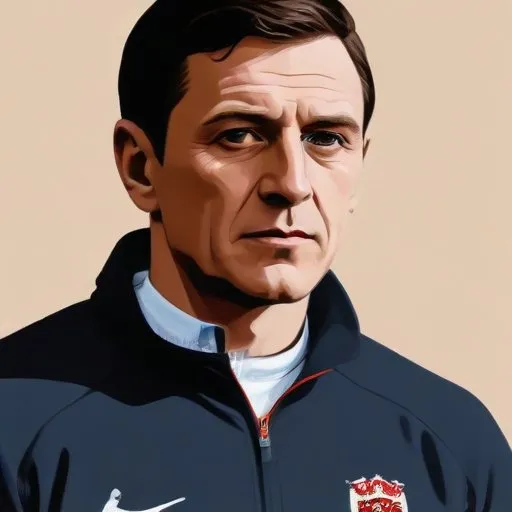
English footballer and coach who played for Middlesbrough and the English national team, and later managed several clubs, including Middlesbrough and Oldham Athletic.
George Hardwick, a name synonymous with English football, is best known for being the first post-World War II captain of the England national football team, leading the team in all 13 of his international appearances. This remarkable feat earns him a special place in the history of English football.
George Francis Moutry Hardwick was born on February 2, 1920, and grew up to become a skilled left-sided defender. He began his professional career with Middlesbrough, where he spent most of his playing years, earning the admiration of fans and critics alike.
In 1947, Hardwick was part of the united Great Britain football team that took on the rest of Europe, leading them to a 6-1 victory. This remarkable achievement cemented his reputation as a talented leader and player. His international career, though cut short due to a knee injury, saw him earn 13 caps and captain the team in every single one of them.
After retiring as a player, Hardwick stepped into management, taking the reins at Oldham Athletic, PSV Eindhoven, and the Netherlands national football team for a brief stint in 1957. He later managed Sunderland and Gateshead, leaving a lasting impact on the teams he worked with.
In his later years, Hardwick's wife Jennifer cared for him, and in recognition of her efforts, a charity was established in his name – The George Hardwick Foundation. The foundation provides support to carers, former carers, and patients, with sites in Stockton, Middlesbrough, and the University Hospital of North Tees.
Hardwick passed away on April 19, 2004, leaving behind a legacy that continues to inspire future generations of footballers and managers. His commitment to the sport and his country remains an inspiration to all who knew him.
George Hardwick's impact on English football extends beyond his playing and managerial career. He paved the way for future generations of players and managers, earning a place in the hearts of fans and the history books.
Hardwick's leadership and sportsmanship on and off the pitch demonstrate his commitment to fair play and teamwork. His legacy serves as a reminder of the importance of dedication, perseverance, and hard work in achieving success.
George Hardwick's remarkable career and achievements serve as a testament to his dedication to the sport of football. His legacy continues to inspire and motivate, ensuring his place in the annals of English football history.
Born in 1909
Legendary Scottish footballer and manager who led Manchester United to European Cup victory in 1968, and rebuilt the team after the Munich air disaster.
Born in 1922
A legendary English footballer and winger, known for his pace, skill, and scoring ability, earning him the nickname "The Preston Plumber."
Born in 1915
Legendary English footballer and manager, known for his incredible skill, speed, and sportsmanship, earning him the nickname "The Wizard of the Dribble."
Born in 1925
A prolific goal-scorer and charismatic leader, known for his powerful playing style and successful managerial career, earning him legendary status in English football.
Born in 1919
A prolific goal-scorer and manager, known for his impressive playing career with Everton and the English national team, as well as his successful managerial stints in the top flight.
Born in 1918
A talented footballer and manager who played for Middlesbrough and the English national team, known for his pace, skill, and goalscoring ability.
Born in 1922
Goalkeeper who played for Birmingham City and the English national team, earning 23 caps and helping the team reach the 1954 World Cup quarterfinals.
50 Years Old
A skilled defensive midfielder who won numerous titles with Arsenal and the Brazilian national team, earning him the nickname "The Invisible Wall".
