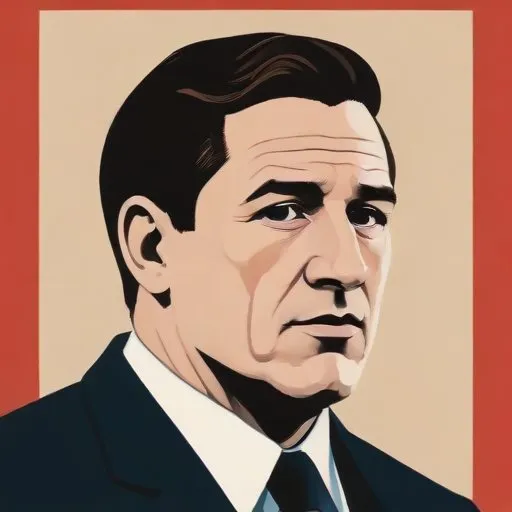
George Harris Hees: The Athlete-Turned-Politician Who Shaped Canada's Post-War Era
George Harris Hees, a name synonymous with athleticism, military valour, and political prowess, left an indelible mark on Canada's history. Known for his decorated military service, illustrious football career, and eventful political tenure, Hees' life was a testament to his unwavering dedication to serving his country.
Early Life and Education
Born on June 17, 1910, in Toronto, Hees received a privileged education at the exclusive Crescent School and Trinity College School in Port Hope, Ontario. He later attended the Royal Military College, where he earned an honorary Doctor of Military Science in 1986. His academic pursuits took him to Cambridge University in 1933, where he honed his athletic skills, winning championships in boxing and lacrosse.
Athletic Achievements
Hees' athletic prowess knew no bounds. As a professional football player, he was a star linebacker with the Toronto Argonauts, helping the team secure the 1938 Grey Cup. His militaristic spirit also extended to the playing field, where he played in the famed Tea Bowl for the Canadian Army football team against the American Army team at White City Stadium in London on February 13, 1944. The Canadians emerged victorious, winning 16-6.
Military Service and the Battle of the Scheldt
Hees' military career began at the Royal Military College of Canada, where he attended from 1927 to 1931. He later served with The Royal Grenadiers, a Militia Regiment based in Toronto, for four years. During World War II, he joined the Canadian Army, serving in NorthWest Europe. His most notable military achievement came during the Battle of the Scheldt, where he volunteered to take over command of a company of The Calgary Highlanders when all their officers were killed or wounded. He was wounded in the arm during the battle, evacuated, and repatriated to Canada, where he was discharged from active service.
Political Career and Legacy
Hees' entry into politics began with his failed bid for the Toronto riding of Spadina in the 1945 federal election. Undeterred, he won election to the House of Commons of Canada in a 1950 byelection in the nearby riding of Broadview. Hees' political career reached new heights when he became President of the Progressive Conservative Party from 1953 to 1956. When the PCs, led by
John Diefenbaker, won government in 1957, Hees was named Minister of Transport, a position he held until 1960.
Personal Milestones and Later Life
Throughout his life, Hees received numerous accolades for his service. He was awarded the honorary Doctor of Military Science from the Royal Military College in 1986. Hees passed away on June 11, 1996, leaving behind a legacy that transcended the realms of sports, military, and politics.
Impact on Modern Society and Historical Context
Hees' remarkable life serves as a testament to the power of dedication, perseverance, and service. His military valour during World War II and his subsequent political career paved the way for future generations of Canadian leaders. As Canada continues to navigate the complexities of modern politics, Hees' life remains an inspiring reminder of the importance of public service and the pursuit of excellence.
Trivia and Fun Facts
- Hees was a multidimensional individual, excelling in sports, military, and politics.
- He won the 1938 Grey Cup with the Toronto Argonauts.
- Hees played in the famed Tea Bowl for the Canadian Army football team against the American Army team in 1944.
- He volunteered to take over command of a company of The Calgary Highlanders during the Battle of the Scheldt.
- Hees was wounded in the arm during the Battle of the Scheldt and was repatriated to Canada.
As we reflect on Hees' incredible life, we are reminded that true greatness is often the result of dedication, hard work, and a willingness to serve others. George Harris Hees' lasting legacy continues to inspire Canadians, and his remarkable story serves as a beacon of hope for future generations.
FAQ
What was George Hees role in Canadian football?
George Hees was a Canadian football player and politician who played professionally for the Toronto Argonauts and later served as a member of the Canadian Parliament. He was a talented athlete who brought a unique perspective to politics.
How did George Hees athletic background influence his political career?
George Hees athletic background had a significant impact on his political career, as he brought a strong work ethic and competitive spirit to his role as a politician. His experience as a team player also helped him to build strong relationships with his colleagues.
What were George Hees key accomplishments as a politician?
As a politician, George Hees was known for his advocacy on behalf of Canadian athletes and his support for initiatives promoting physical fitness and healthy living. He served as the Minister of Veterans Affairs and later as the Minister of Trade and Commerce.
How did George Hees leadership style impact Canadian politics?
George Hees leadership style was characterized by his collaborative approach to governance. He worked closely with his colleagues to build consensus and drive policy decisions, which helped to foster a spirit of bipartisanship in Canadian politics.
What is George Hees legacy in Canadian politics?
George Hees legacy in Canadian politics is one of dedication and service to his country. He is remembered as a skilled politician who brought a unique perspective to governance and worked tirelessly to promote the interests of Canadians.