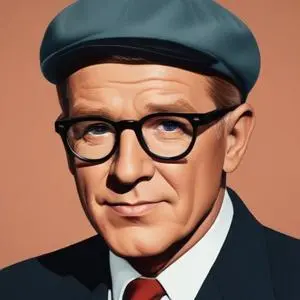
George Stevens: A Pioneer of Cinematic Storytelling
A Master of Epic Films
George Stevens is celebrated as one of the most acclaimed film directors, producers, screenwriters, and cinematographers of all time. He is renowned for his breathtaking epics, thought-provoking dramas, and iconic romantic comedies, earning him two Academy Awards and the prestigious Irving G. Thalberg Memorial Award in 1953.
Early Life and Inspiration
Born on December 18, 1904, in Oakland, California, Stevens was immersed in the world of performance from a young age. His parents, Landers Stevens and Georgie Cooper, were stage actors, and he often watched them rehearse. This exposure sparked his passion for storytelling and the arts. At the age of 10, his mother gifted him a Brownie camera, which he used to capture the beauty of his surroundings and portraits of his mother. This early fascination with photography laid the foundation for his future career in cinematography.
Breaking into the Film Industry
At 17, Stevens landed a job as an assistant cameraman at
Hal Roach Studios, filming the iconic Rex the Wonder Horse in Utah. During this period, he helped launch the career of comedian
Stan Laurel, using panchromatic film to capture his bright blue eyes on camera. Stevens went on to work as a director of photography and gag writer on 35 Laurel and Hardy short films, including
Bacon Grabbers (1929) and
Night Owls (1930). This experience taught him that comedy could be both graceful and human.
Rise to Prominence
Stevens' breakthrough came with the release of
Swing Time (1936), a musical romantic comedy starring
Fred Astaire and
Ginger Rogers. The film's success catapulted Stevens to fame, and he went on to direct a string of classics, including
Gunga Din (1939) and
(1942). His versatility as a director allowed him to tackle diverse genres, from drama to comedy, and his films often explored complex themes and relationships.
Awards and Accolades
Stevens' mastery of his craft earned him numerous awards and nominations, including:
- Two Academy Awards for Best Director for A Place in the Sun (1951) and Giant (1956)
- Irving G. Thalberg Memorial Award (1953)
- Nominations for Best Director for The Talk of the Town, The More the Merrier (1943), Shane (1953), and The Diary of Anne Frank (1959)
Legacy and Influence
George Stevens' remarkable body of work has inspired generations of filmmakers, and his legacy continues to shape the cinematic landscape. His epic films, such as The Greatest Story Ever Told (1965), remain iconic, and his romantic comedies, like , continue to charm audiences. As a true pioneer of cinematic storytelling, Stevens' contributions to the art of filmmaking are immeasurable.
Personal Life and Anecdotes
Stevens married Yvonne Howell in 1930, and the couple had two sons, George Stevens Jr. and Michael Stevens. He was known for his humility and kindness, often putting the needs of his cast and crew above his own. Stevens' love for storytelling and his dedication to his craft have left an indelible mark on the world of cinema.
FAQ
What were George Stevens most famous films?
George Stevens was a renowned American film director, producer, screenwriter, and cinematographer who directed many classic films, including Giant, Shane, and A Place in the Sun.
What was George Stevens directing style?
George Stevens was known for his meticulous attention to detail and his ability to elicit strong performances from his actors. He was also known for his use of location shooting and his ability to adapt to different genres.
How did George Stevens work influence American cinema?
George Stevens work had a significant impact on American cinema, influencing many filmmakers, including Martin Scorsese and Steven Spielberg. His films often explored themes of social justice, morality, and the American Dream.
What were George Stevens Academy Award nominations and wins?
George Stevens was nominated for several Academy Awards and won two Oscars for Best Director, for A Place in the Sun and Giant.
What is George Stevens legacy in film history?
George Stevens legacy in film history is that of a master filmmaker who made significant contributions to American cinema. He is remembered for his meticulous craftsmanship, his ability to adapt to different genres, and his influence on later generations of filmmakers.