


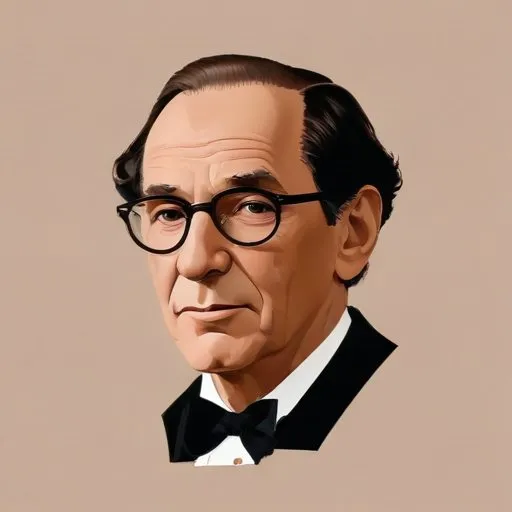
A novelist, playwright, and critic who explored the intersection of culture and society in his works, particularly in his acclaimed essay "Within the Context of No Context".
George W. S. Trow, the American essayist, novelist, playwright, and media critic, is best known for his seminal work, "Within the Context of No Context," a scathing critique of television's impact on American culture. First published in The New Yorker in 1980, this epochal essay not only redefined the medium but also cemented Trow's reputation as a razor-sharp observer of the human experience.
Born into an upper-middle-class family in Greenwich, Connecticut, on September 28, 1943, Trow's early life was marked by a strong literary tradition. His great-great paternal grandfather, John Fowler Trow, was a prominent New York-based publisher, and his father, George William Swift Trow, was a newspaperman. This rich cultural heritage would later inform Trow's own writing style, which was characterized by wit, erudition, and a deep understanding of the human condition.
Trow's academic career was marked by distinction. He graduated from Harvard University in 1965, where he was president of The Harvard Lampoon, a prestigious humor publication. This experience would later serve him well as an editor for the National Lampoon, where he worked alongside young humorists like Michael O'Donoghue, Henry Beard, and Douglas Kenney.
In 1966, Trow joined The New Yorker, where he wrote articles for the magazine, particularly in the section "The Talk of the Town," and contributed short fiction. Under the mentorship of editors William Shawn and Robert Gottlieb, Trow honed his craft, producing some of the most incisive and engaging writing of his generation.
Trow's work was marked by a critical eye on modern culture. He was notorious for his scathing critiques of the excesses of modern life, from the vacuity of television to the superficiality of celebrity culture. His writing was both erudite and accessible, making him a beloved figure among intellectuals and common readers alike.
Trow's life was marked by contradictions. He was a socialite who abhorred the superficiality of high society, a man of letters who was drawn to the rough-and-tumble world of humor, and a critic who was deeply empathetic towards his subjects. This paradoxical nature was reflected in his writing, which was both biting and compassionate, urbane and raw.
Despite his untimely death in Naples, Italy, on November 24, 2006, Trow's legacy endures. His work continues to inspire a new generation of writers, critics, and thinkers, who are drawn to his unique perspective on the human condition. As a testament to his enduring influence, "Within the Context of No Context" remains a classic of American literature, a powerful exploration of the intersection of culture, technology, and humanity.
Through his writing, George W. S. Trow continues to challenge our understanding of modern culture, forcing us to confront the contradictions and paradoxes that define our lives. As we navigate the complexities of the digital age, Trow's work serves as a powerful reminder of the importance of empathy, critical thinking, and intellectual curiosity.
93 Years Old
A renowned writer and thinker who explored the human experience through novels, essays, and criticism, delving into topics like culture, politics, and morality. Known for her provocative ideas and lyrical prose.
Born in 1925
A celebrated author of novels, essays, and plays, known for his witty humor, sharp critiques of politics and society, and iconic works like "Myra Breckinridge" and "Lincoln".
Born in 1924
A celebrated author of dark, atmospheric fiction, known for crafting intricate, psychologically complex stories that blur the lines between reality and fantasy. His work often explores the American psyche, delving into themes of identity, morality, and the human condition.
Born in 1923
Pulitzer Prize-winning author and journalist who explored American politics and culture through provocative novels and essays, known for his bold, lyrical writing style.
94 Years Old
A celebrated author of novels, short stories, and literary criticism, known for his insightful and nuanced portrayals of American middle-class life. His writing often explores themes of identity, morality, and the human condition.
88 Years Old
A prolific and versatile writer, known for crafting haunting and poignant stories that explore the human condition, often delving into themes of violence, social justice, and the American experience.
84 Years Old
Acclaimed author of novels that often blend humor and tragedy, exploring themes of family, identity, and social issues, with works adapted into successful films. 62
93 Years Old
Acclaimed author of provocative, introspective novels that explore the American Jewish experience, identity, and the human condition, often blending humor and social commentary.
