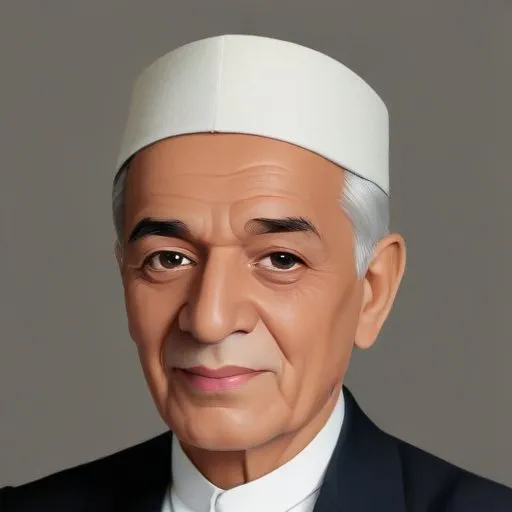
Ghulam Mustafa Khan: A Luminary in Urdu Literature and Sufism
A Renowned Scholar and Author
Ghulam Mustafa Khan was a distinguished Pakistani researcher, literary critic, linguist, and scholar of Urdu literature and linguistics, who left an indelible mark on the literary and spiritual landscape of the Indian subcontinent. With a prolific career spanning over six decades, he was known for his profound contributions to Urdu literature, Sufism, and education, earning him numerous accolades and recognition.
Early Life and Education
Born on September 23, 1912, in Jabalpur, India, Ghulam Mustafa Khan belonged to a Urdu-speaking Pashtun family. He completed his ninth grade from Anjuman Islamia High School, Jabalpur, and later pursued his higher education at Aligarh Muslim University, Aligarh. He earned his LLB and M.A. in Urdu literature and Persian, and subsequently completed his PhD on the 12th-century Persian poet Syed Ashruddin Hassan Ghaznavi in 1947. In 1959, he was awarded a D.Litt. by Nagpur University, India.
Academic Career and Contributions
Ghulam Mustafa Khan's academic career was marked by his appointments as a lecturer at King Edward College, Amrawati, and later at Urdu College, Karachi, after his migration to Pakistan from India. He also served as the head of the department of Urdu in Sindh University. Throughout his career, he published numerous research papers and authored over 100 books in Arabic, Persian, Urdu, and English, cementing his reputation as a leading authority on Urdu literature and linguistics.
Literary Works and Awards
Some of Ghulam Mustafa Khan's notable publications include "Iqbal aur Quran," a seminal work that analyzed the Urdu and Persian poetical works of Allama Iqbal. This book was awarded the Gold Medal Award by Idara-e-Adabiat, Pakistan Institute of Literature, Pakistan. His other notable works include treatises on Sufism, Islamic philosophy, and Urdu literature.
Spiritual Leadership and Legacy
Apart from his academic pursuits, Ghulam Mustafa Khan was a revered religious and spiritual leader belonging to the Naqshbandi order of Sufism. His students included renowned scholars and intellectuals, such as Ibne Insha,
Jameel Jalibi, Abul Lais Siddiqui,
Aslam Farrukhi,
Farman Fatehpuri, Moinuddin Aqeel, and Abul Khair Kashfi, among others. Through his teachings and writings, he inspired a generation of scholars, intellectuals, and spiritual seekers.
Impact and Recognition
Ghulam Mustafa Khan's contributions to Urdu literature, Sufism, and education earned him numerous awards and recognition, including the Naqoosh Award, Iqbal Award, and Nishan-i-Sipas. His legacy continues to inspire and influence scholars, intellectuals, and spiritual leaders in Pakistan and beyond.
Personal Milestones and Key Life Events
- Received PhD on 12th-century Persian poet Syed Ashruddin Hassan Ghaznavi in 1947
- Completed D.Litt. in 1959 from Nagpur University, India
- Appointed as lecturer at King Edward College, Amrawati, and later at Urdu College, Karachi
- Served as head of the department of Urdu in Sindh University
- Published over 100 books in Arabic, Persian, Urdu, and English
- Awarded the Gold Medal Award for "Iqbal aur Quran"
Philosophical Contributions and Beliefs
Ghulam Mustafa Khan's philosophical contributions were deeply rooted in Sufism and Islamic philosophy. He believed in the transformative power of education, literature, and spirituality, and his works reflected his commitment to promoting these values.
Historical Context and Legacy
Ghulam Mustafa Khan's life and work are situated within the context of the Indian subcontinent's tumultuous history, marked by the struggle for independence, partition, and the emergence of Pakistan as a nation-state. His legacy serves as a testament to the power of education, literature, and spirituality in shaping the cultural and intellectual identity of the region.
Conclusion
Ghulam Mustafa Khan's remarkable life and work continue to inspire generations of scholars, intellectuals, and spiritual seekers. His contributions to Urdu literature, Sufism, and education have left an indelible mark on the cultural and intellectual landscape of Pakistan and beyond.
FAQ
What is Ghulam Mustafa Khans contribution to Pakistani literature?
Ghulam Mustafa Khan made significant contributions to Pakistani literature, authoring several books on linguistics, literature, and cultural heritage. His works helped shape the countrys literary landscape, promoting a deeper understanding of its rich cultural heritage.
What are Ghulam Mustafa Khans notable works?
Ghulam Mustafa Khan is renowned for his notable works, including books on Urdu literature, linguistics, and cultural studies. His writings have been widely acclaimed, earning him recognition as a distinguished author and critic in Pakistan.
How did Ghulam Mustafa Khan impact Pakistani education?
Ghulam Mustafa Khans work had a profound impact on Pakistani education, influencing the development of curricula and pedagogy. His contributions helped shape the countrys education system, promoting a greater appreciation for literature, language, and culture.
What was Ghulam Mustafa Khans role in promoting Urdu language and literature?
As a linguist and author, Ghulam Mustafa Khan played a crucial role in promoting Urdu language and literature in Pakistan. His efforts helped preserve and promote the countrys rich linguistic heritage, ensuring its continued relevance in modern times.
What awards did Ghulam Mustafa Khan receive for his contributions?
Ghulam Mustafa Khan received several awards and honors for his contributions to Pakistani literature, linguistics, and education. His recognition includes prestigious awards from the government and literary organizations, acknowledging his dedication to promoting Pakistani culture and language.