


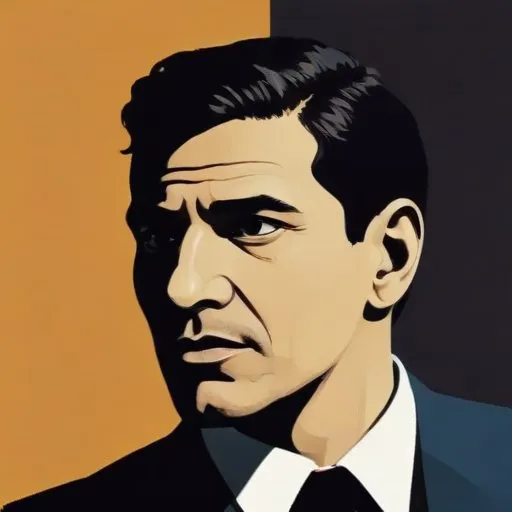
A renowned Greek composer, he is most known for his iconic and influential contributions to the development of Greek music, blending traditional folk elements with modern classical styles.
Giannis Papaioannou is a household name in Greece, renowned for his immense contribution to the country's rich musical heritage. As a prolific composer and musician, he is celebrated for his iconic songs that have become an integral part of Greek cultural identity, particularly in the realm of rebetiko folk music.
Born on January 18, 1913, in Kios, Ottoman Empire (now Gemlik, Turkey), Giannis Papaioannou was destined for greatness. His early life was marked by a deep passion for music, which eventually led him to become one of the most celebrated musicians of his generation.
The 1940s were the golden years of Giannis Papaioannou's career, during which he wrote some of his most enduring songs. His music was characterized by its unique blend of traditional Greek elements and a hint of melancholy, which resonated with the masses. Some of his most famous compositions include:
These songs not only showcased his exceptional skill as a composer but also cemented his status as a master of rebetiko folk music.
Giannis Papaioannou's music was deeply rooted in the classical rebetiko tradition, which he refined with his unique style. While his thematic focus deviated from the typical dark topics of earlier rebetika, his music retained the essence of the genre. His style was heavily influenced by the likes of Markos Vamvakaris, a renowned rebetiko musician.
Tragically, Giannis Papaioannou's life was cut short in a road accident on August 3, 1972, in Athens. He was buried in a cemetery in Kallithea, a suburb of Athens, where many other prominent rebetiko and laiko musicians were laid to rest.
Despite his untimely demise, Giannis Papaioannou's legacy continues to thrive. His music remains an integral part of Greek cultural heritage, and his influence can be seen in generations of musicians who followed in his footsteps.
Giannis Papaioannou's contributions to Greek music are immeasurable. He not only helped shape the rebetiko genre but also left an indelible mark on the country's musical identity. His songs continue to be celebrated and performed by musicians across generations, ensuring his legacy will endure for years to come.
Born in 1925
A renowned Greek composer, he is best known for his iconic scores in films like "Zorba the Greek" and "Serpico", blending traditional Greek music with modern orchestral arrangements.
91 Years Old
A renowned Greek singer with a distinctive, soothing voice, known for her vast repertoire of multilingual songs and iconic 1960s-70s hits. She also served as a Member of the European Parliament.
Born in 1915
A renowned Greek singer-songwriter and bouzouki player, known for creating iconic rebetiko songs that captured the essence of Greek culture and identity. His music continues to inspire generations of musicians and fans alike.
75 Years Old
A renowned Greek singer-songwriter, celebrated for her powerful, soulful voice and eclectic blend of traditional and contemporary music styles. She's a cultural icon in Greece, inspiring generations of musicians.
